The magic of cinema and video games often lies in the invisible layer that dictates our emotional response: the soundtrack. While visuals capture our attention, music captures our soul, transforming a sequence of moving images into a profound, lasting experience. Whether it is the pulse-pounding rhythm of a thriller or the soaring orchestral themes of a fantasy epic, a well-crafted soundtrack acts as the narrative glue that binds the audience to the screen. Understanding how these scores are composed and integrated is essential for film buffs, creators, and audio enthusiasts alike.
The Evolution of the Film Score
From Silent Cinema to Synchronized Sound
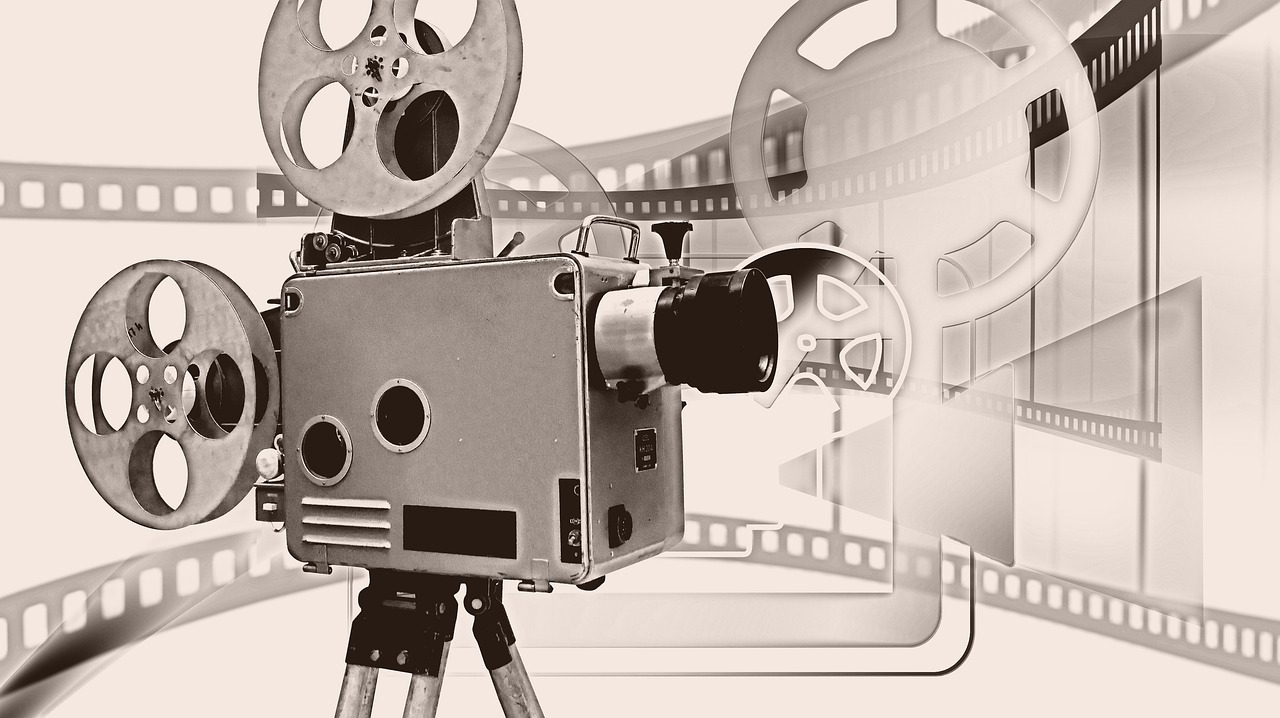
In the early days of silent films, soundtracks were literal—live musicians, pianists, or even full orchestras accompanied the screen to drown out the noise of the projector and provide emotional cues. The transition to “talkies” in the late 1920s changed everything, allowing composers to sync music perfectly with action.
The Golden Age and Beyond
The mid-20th century saw the rise of the symphonic score, led by legendary composers like Max Steiner and Bernard Herrmann. Today, the landscape is a diverse mix of traditional orchestration, electronic soundscapes, and curated pop-music compilations.
- 1930s-50s: Dominated by sweeping, romantic orchestral scores.
- 1970s-80s: The rise of synthesizer-driven soundtracks (e.g., Vangelis, John Carpenter).
- Modern Era: A hybrid approach, often combining experimental sound design with digital audio workstations.
The Psychological Impact of Music in Media
Defining Emotional Landscapes
Music is a powerful psychological tool. Minor keys evoke tension and melancholy, while major keys suggest triumph or hope. By manipulating tempo and instrumentation, composers can dictate how an audience feels before a character even speaks.
Building Anticipation and Tension
Consider the “Jaws” theme—two simple notes that, through repetition and tempo acceleration, created a masterclass in suspense. Soundtracks can influence the audience’s heartbeat and breathing patterns, making them physically participate in the film’s tension.
Key Components of a Great Soundtrack
Leitmotifs: The Musical Signature
A leitmotif is a recurring musical phrase associated with a particular character, place, or idea. This technique helps viewers subconsciously identify themes.
- Example: In The Lord of the Rings, Howard Shore assigns unique motifs to the Shire, the Ring, and the Fellowship, creating a complex musical map for the audience.
Diegetic vs. Non-Diegetic Sound
Understanding the distinction is vital for any audio professional:
- Diegetic: Music that exists within the world of the film (e.g., characters listening to a car radio).
- Non-Diegetic: Music added for the audience, which the characters cannot hear (e.g., the dramatic score during a battle).
The Role of Soundtracks in Video Games
Adaptive Audio Systems
Unlike linear films, video games require soundtracks that change based on player interaction. Adaptive audio uses “layers” of music that fade in or out depending on whether the player is exploring a quiet area or engaging in combat.
Enhancing Immersion
A great game soundtrack is not just background noise; it is an active participant in gameplay. Games like The Witcher 3 or Halo use thematic music to signal danger, victory, or discovery, significantly increasing the player’s sense of immersion.
Tips for Aspiring Soundtrack Composers
Mastering Digital Audio Workstations (DAWs)
Most modern soundtracks are produced using software like Logic Pro, Cubase, or Ableton Live. Investing time in learning high-quality virtual instrument libraries (VSTs) is the quickest way to create professional-sounding demos.
Collaborating with Directors
The most successful composers are those who understand the director’s vision. Effective communication is key; ask for “temp tracks” to understand the tone the production team is aiming for, then translate that into an original score that elevates the visual story.
Conclusion
Soundtracks are far more than mere accompaniment; they are essential storytelling devices that define the mood, pacing, and emotional depth of any cinematic or digital work. By understanding the history of scoring, the psychological influence of music, and the technical requirements of adaptive audio, creators can craft experiences that resonate long after the screen goes dark. Whether you are a student of film, an aspiring musician, or a passionate viewer, paying closer attention to the score will undoubtedly change how you consume media forever.