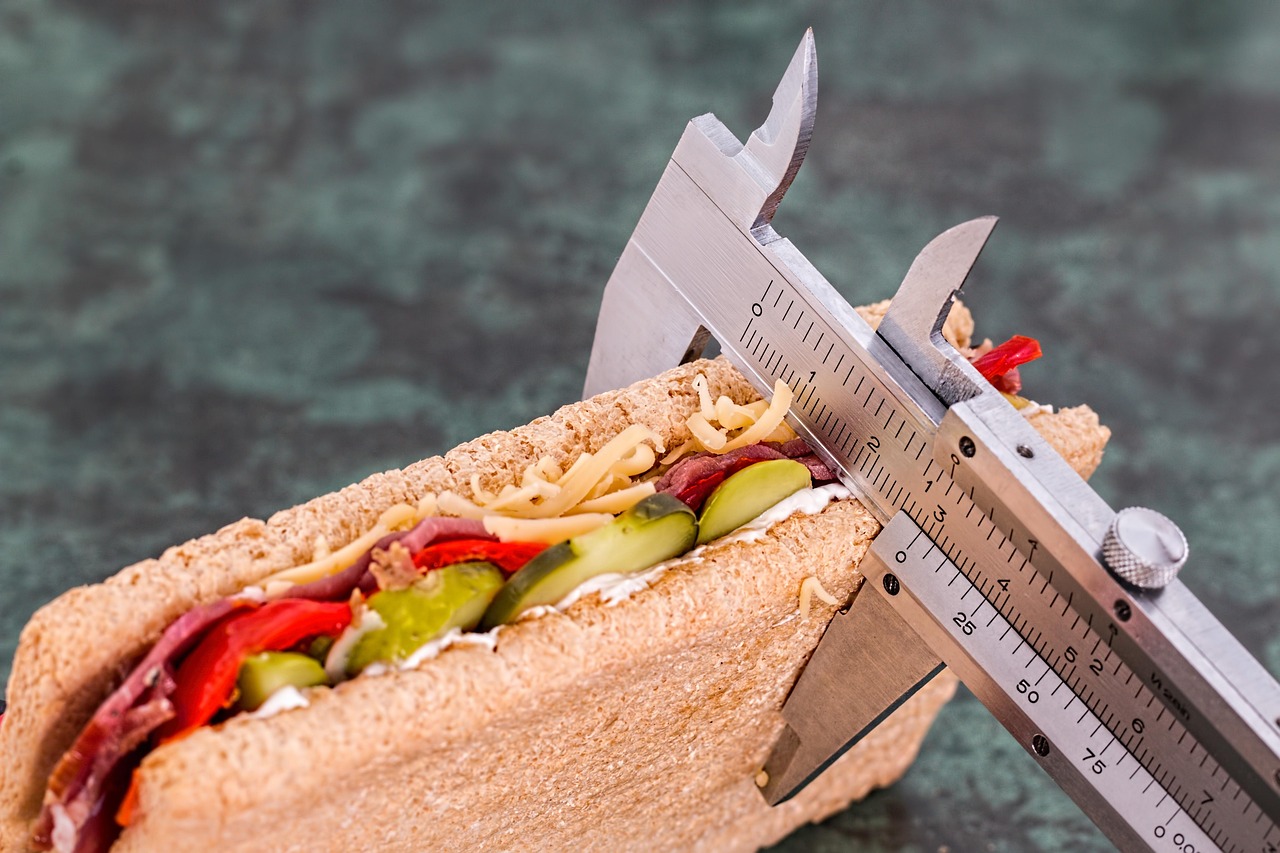
Embarking on a journey toward better health often starts with a single, foundational question: What should I be eating? While the internet is flooded with fad diets and restrictive protocols, the truth is that a sustainable, effective diet plan is not about deprivation—it is about fueling your body with the nutrients it needs to thrive. Whether your goal is weight management, increased energy levels, or improved athletic performance, understanding how to structure your nutrition is the key to long-term success. In this guide, we will break down the science of balanced eating into actionable steps that you can incorporate into your daily life starting today.
Understanding the Pillars of a Balanced Diet
Before diving into specific meal structures, it is essential to understand the macronutrients that provide the building blocks for your health. A balanced approach ensures that your body functions optimally.
The Role of Macronutrients
Macronutrients are the nutrients your body needs in larger amounts. To maintain a healthy metabolism, every meal should ideally contain a balance of the following:
- Proteins: Essential for muscle repair and satiety. Aim for 20-30g per meal.
- Complex Carbohydrates: Provide steady energy rather than spikes. Think whole grains and starchy vegetables.
- Healthy Fats: Crucial for hormone production and brain health. Sources include avocados, nuts, and olive oil.
The Importance of Micronutrients
While macros provide energy, micronutrients—vitamins and minerals—act as the spark plugs for your body. According to the World Health Organization, adequate intake of micronutrients is vital for immune function and preventing chronic disease. You can maximize your intake by “eating the rainbow,” ensuring your plate features a variety of colorful fruits and vegetables.
Customizing Your Caloric Intake
One size rarely fits all when it comes to nutrition. Calculating your specific needs is the first step toward a personalized diet plan.
Calculating TDEE
Your Total Daily Energy Expenditure (TDEE) is the number of calories you burn in a day, including exercise. To determine your goal:
- Use an online TDEE calculator to find your maintenance calories.
- Subtract 300–500 calories for gradual weight loss.
- Add 200–300 calories for muscle gain (hypertrophy).
Adjusting for Lifestyle
Your activity level dictates your carbohydrate needs. A sedentary office worker may thrive on a lower-carb approach, while a marathon runner requires higher glycogen replenishment to sustain performance.
Practical Meal Planning Strategies
Planning is the antidote to unhealthy decision-making. When you have a plan, you are less likely to reach for convenient, processed snacks.
The Plate Method
If counting calories feels overwhelming, use the “Plate Method” for every lunch and dinner:
- 50% Non-starchy vegetables: Spinach, broccoli, peppers, or zucchini.
- 25% Lean protein: Grilled chicken, tofu, white fish, or legumes.
- 25% Complex carbohydrates: Quinoa, sweet potato, or brown rice.
Batch Cooking Tips
Save time and stay consistent by preparing staples in advance:
- Roast two trays of mixed vegetables on Sunday.
- Cook a large batch of a grain (like farro or quinoa).
- Portion out proteins so they are ready to grab-and-go for quick lunches.
Common Pitfalls and How to Avoid Them
Even with the best intentions, many people fall into traps that derail their progress. Awareness is your best defense.
The Trap of Ultra-Processed Foods
Many “diet” foods are highly processed and stripped of fiber. Instead of focusing on “low-calorie” labels, focus on “single-ingredient” foods—foods that don’t need a label because they are whole.
Managing Liquid Calories
Sugar-sweetened beverages are a silent saboteur. Studies show that replacing soda and sugary juices with water, unsweetened tea, or sparkling water can significantly reduce caloric intake without impacting satiety.
Maintaining Consistency and Longevity
A diet plan is only as good as your ability to stick with it. Sustainability is more important than perfection.
The 80/20 Rule
Aim to consume nutrient-dense whole foods 80% of the time, leaving 20% for the foods you love. This prevents the “all-or-nothing” mentality that leads to burnout and bingeing.
Tracking Progress Beyond the Scale
Weight is just one metric. Track your success by monitoring:
- Energy levels: Do you feel focused throughout the day?
- Sleep quality: Is your diet supporting restful recovery?
- Exercise performance: Are you hitting new personal records in the gym?
- Mood stability: Are you experiencing fewer “crashes” during the afternoon?
Conclusion
Creating an effective diet plan is a highly personal process that balances scientific principles with your unique lifestyle and preferences. By focusing on whole, nutrient-dense foods, understanding your individual caloric needs, and practicing sustainable habits like the 80/20 rule, you can achieve your health goals without the stress of restrictive dieting. Remember, nutrition is a marathon, not a sprint. Start with small, manageable changes this week, listen to your body, and adjust as you learn what works best for you. Your health is the most important investment you will ever make.