The art of film production is a complex, multi-layered process that transforms a simple idea into a visual masterpiece. Whether it is an independent short film or a multi-million dollar blockbuster, every project relies on a structured workflow to navigate the creative and logistical challenges of modern storytelling. Mastering the nuances of production requires more than just artistic vision; it demands meticulous planning, strategic resource management, and the ability to pivot under pressure. In this guide, we will break down the essential phases of film production and provide actionable insights for filmmakers looking to elevate their craft.
The Pre-Production Phase: The Blueprint for Success
Pre-production is often cited as the most critical stage of the filmmaking process. It is during this phase that the project is planned, budgeted, and scheduled. Statistics indicate that for every hour spent in pre-production, several hours are saved during the filming stage.
Script Breakdown and Scheduling
A script breakdown involves analyzing every page to identify the requirements for each scene. This includes cast, locations, props, and special effects. A solid schedule ensures that you aren’t paying for cast and crew time that isn’t being used efficiently.
- Identify “Day” vs. “Night” shoots to group scenes logically.
- Use professional software like Movie Magic Scheduling to manage call sheets.
- Factor in “buffer time” for setup changes and unexpected delays.
Budgeting and Resource Allocation
A realistic budget is the backbone of production. Failing to account for hidden costs often leads to unfinished projects. Ensure you allocate a “contingency fund” of at least 10-15% of your total budget for unforeseen emergencies.
The Production Phase: Turning Vision into Reality
Production is where the “principal photography” occurs. It is a high-energy environment where the creative vision meets the physical reality of the set. Effective management here is about minimizing downtime and maximizing creative output.
Managing the Set Environment
A successful set runs on clear communication. As a director or producer, your goal is to maintain momentum while keeping the creative vision intact.
- Maintain a clear chain of command: Ensure everyone knows who is responsible for specific decisions.
- Prioritize safety: Always have a dedicated safety coordinator on set for stunts or complex equipment usage.
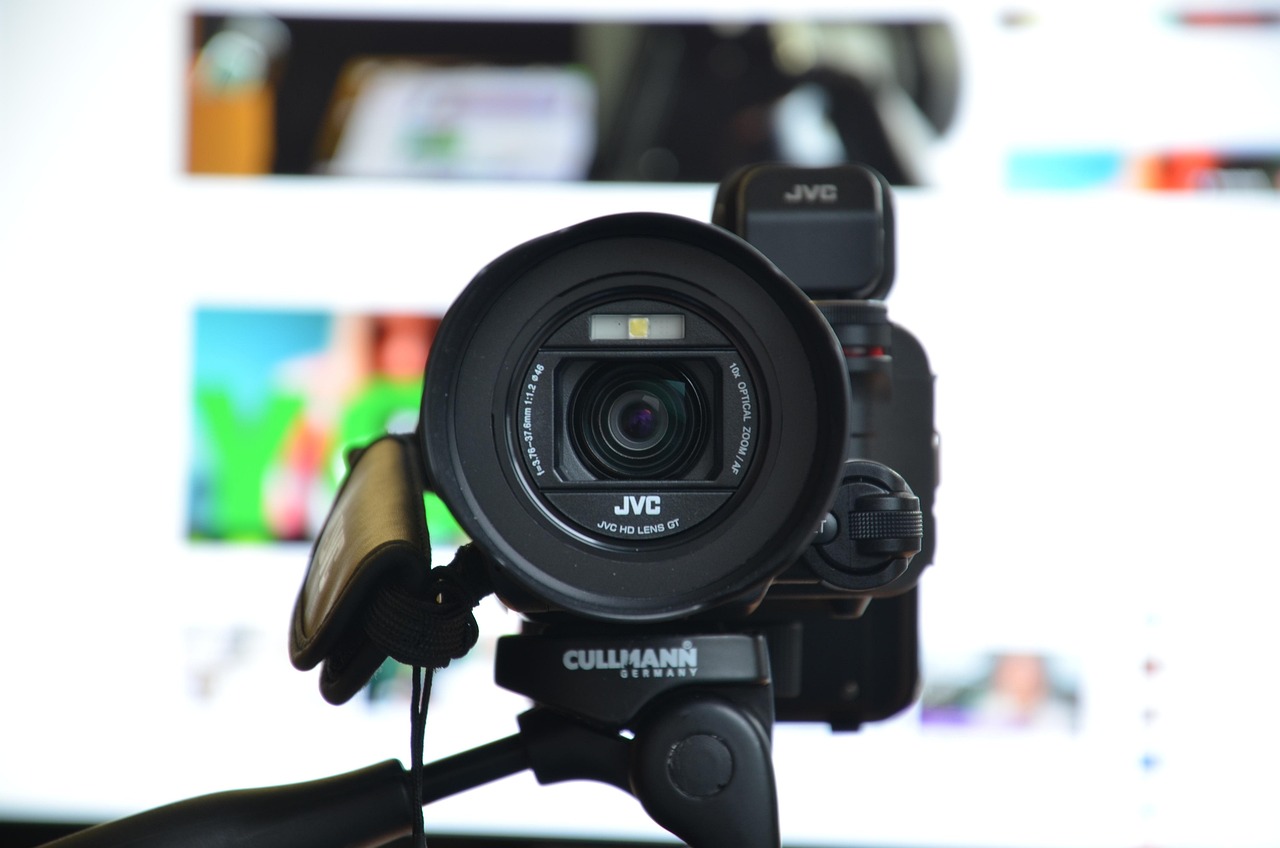
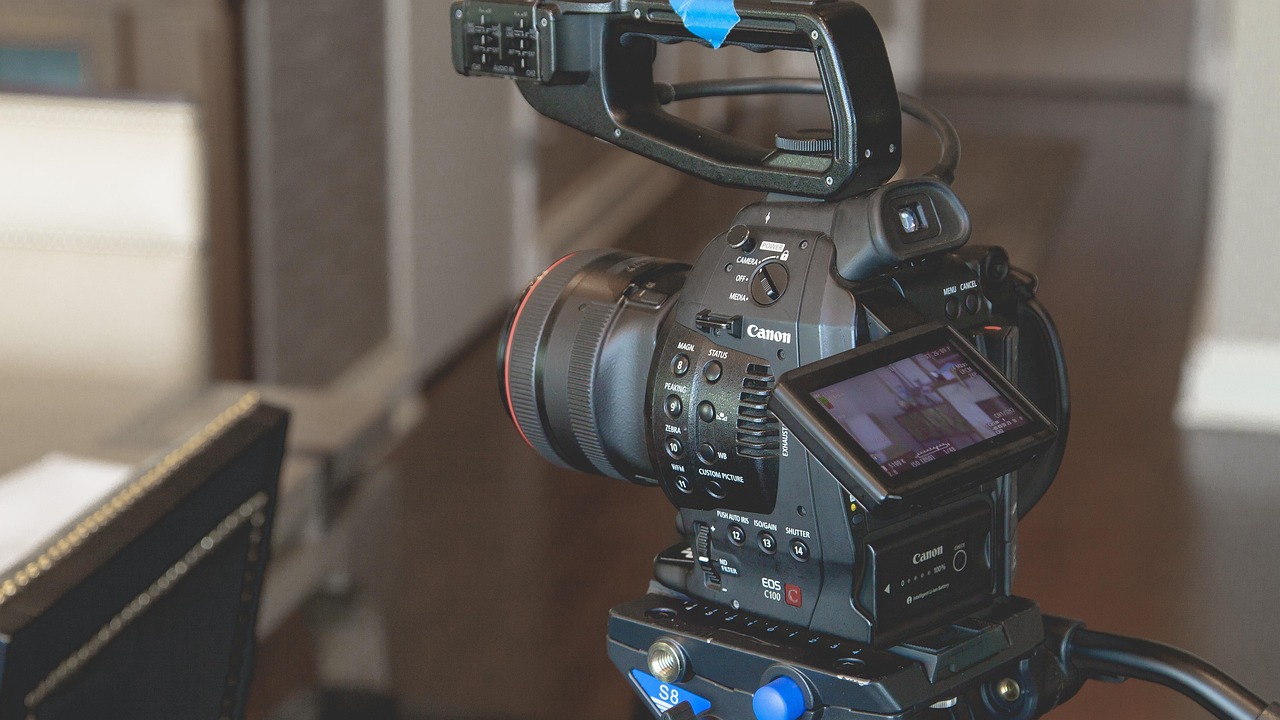
- Continuous monitoring: Use high-quality external monitors so the director, DP, and producers see exactly what the sensor is capturing.
Technical Execution
Technical precision ensures that your footage is usable in post-production. This includes checking audio levels, verifying focus, and managing lighting continuity. A classic tip is to keep a “camera log” that tracks specific lens choices and camera settings for every take, which saves hours of guesswork later.
Post-Production: The Second Filmmaking Process
Post-production is where the narrative is truly shaped. Through editing, sound design, and color grading, you refine the raw footage into a cohesive story.
The Art of Editing
Editing is the final rewrite of the screenplay. It is where you decide the pacing and emotional resonance of your film.
- Assembly Cut: Putting all the best takes together in sequence.
- Rough Cut: Refining the rhythm and structure of the story.
- Fine Cut: Polishing the transitions and timing down to the frame.
Sound Design and Color Grading
Sound is often 50% of the cinematic experience. High-quality sound design, foley, and a well-composed score can elevate a low-budget project significantly. Similarly, professional color grading ensures that all shots look consistent and match the film’s specific aesthetic tone.
Distribution and Marketing Strategies
A film is only successful if it finds its audience. In the current digital landscape, distribution strategy is just as important as production quality.
Identifying Your Platform
Will your film thrive on streaming services, film festival circuits, or niche social media channels? Identifying your target audience early in the production phase helps dictate the tone and visual style of the film.
- Film Festivals: Best for critical acclaim and networking.
- VOD (Video on Demand): Great for reaching global audiences directly.
- Social Media Clips: Essential for building hype and engagement prior to release.
Marketing Assets
Never finish a film without creating a “Press Kit.” This should include high-resolution stills, behind-the-scenes footage, a trailer, and a professional synopsis. These assets are vital for getting your work noticed by distributors and journalists.
Conclusion
Film production is a journey that demands resilience, creativity, and rigorous organization. By breaking the process into distinct, manageable phases—pre-production, production, post-production, and distribution—you gain control over the chaotic nature of the creative process. Remember that the best films are built on a foundation of solid planning followed by the flexibility to adapt when things don’t go exactly as expected. Whether you are aiming for the big screen or the digital screen, keep your audience in mind, respect your budget, and always strive for the best possible story.