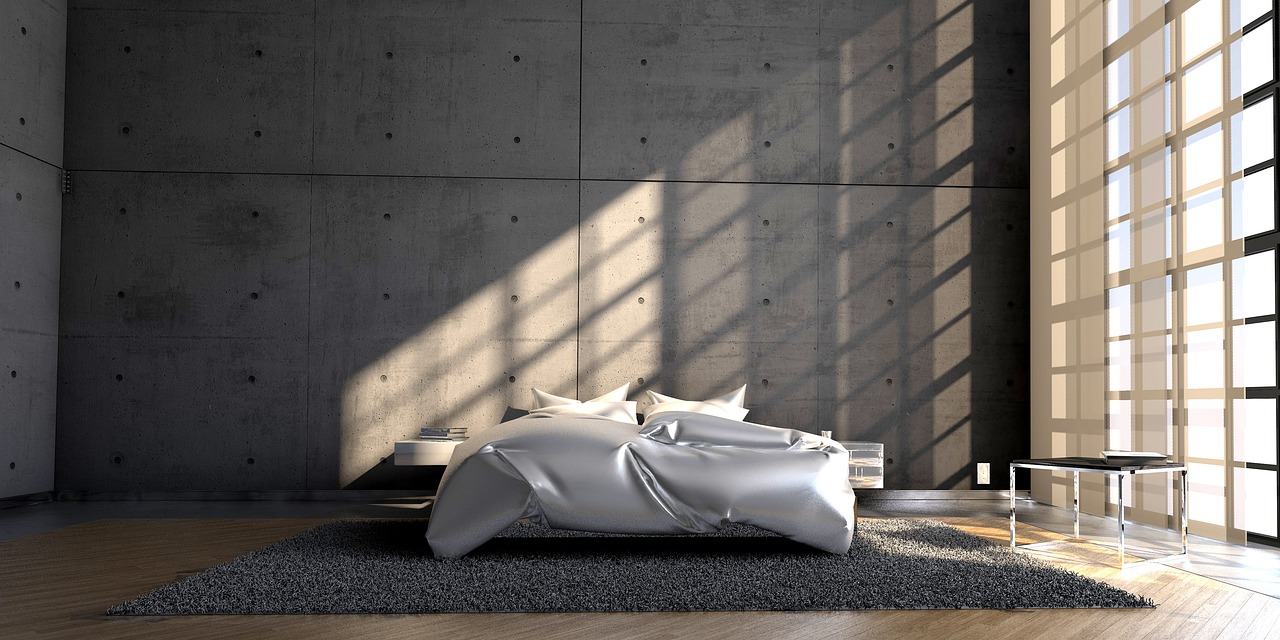
Your home is more than just a place to live; it is a canvas for your personality and a sanctuary from the outside world. Mastering the art of home decor is not about following every fleeting trend, but about creating a space that balances aesthetic appeal with daily functionality. Whether you are moving into a new property or looking to refresh your current living room, a thoughtful approach to interior design can transform your environment, boost your mood, and even increase your home’s market value. In this guide, we explore the foundational elements of home decor to help you curate a space that feels uniquely yours.
Understanding the Fundamentals of Interior Design
Before purchasing furniture or choosing paint swatches, it is essential to understand the basic principles that professional designers use to create balanced, cohesive rooms.
Balance and Symmetry
Balance refers to the visual weight of items in a room. You can achieve this through:
- Symmetrical balance: Placing matching items on either side of a focal point (e.g., two identical lamps on either side of a bed).
- Asymmetrical balance: Achieving equilibrium using items of different shapes or sizes that have similar visual weight, creating a more relaxed, modern feel.
The Importance of Scale and Proportion
One of the most common mistakes in home decor is choosing furniture that is either too large or too small for a space. Proportion ensures that objects relate well to each other, while scale relates to how an object fits within the room’s total dimensions.
- Always measure your floor space before buying large pieces like sofas or dining tables.
- Leave at least 30 inches of space for walkways to ensure the room doesn’t feel cluttered.
The Power of Color Psychology
Color is the most influential tool in your decor toolkit. According to color psychology, specific hues can alter our perception of a space and influence our emotional state.
Choosing Your Color Palette
A well-planned palette creates harmony throughout your home. Consider the 60-30-10 rule for a balanced room:
- 60% Dominant color: Usually your wall color or large furniture pieces.
- 30% Secondary color: Used for accent chairs, curtains, or an accent wall.
- 10% Accent color: Reserved for throw pillows, art, and decorative accessories.
Lighting’s Impact on Color
Natural and artificial light can drastically change how a color looks on your walls. A “cool” blue might look serene in morning sunlight but cold and uninviting at night. Always test paint samples on different walls at different times of the day before committing.
Strategic Lighting Techniques
Lighting is often referred to as the “jewelry of the home.” Proper illumination can make a small space look larger and a large space feel intimate.
Layering Your Light
To achieve a professional look, combine three types of lighting:
- Ambient Lighting: The main light source, such as overhead chandeliers or recessed lighting.
- Task Lighting: Focused light for specific activities, like reading lamps or under-cabinet kitchen lights.
- Accent Lighting: Used to highlight architectural features or artwork, such as wall sconces or picture lights.
Smart Lighting Solutions
Incorporating smart bulbs and dimmers allows you to adjust the “color temperature” of a room. Warm white (2700K-3000K) is ideal for living rooms and bedrooms to create a cozy atmosphere, while cooler temperatures work best in home offices and kitchens.
Selecting Textiles and Textures
A room can easily feel “flat” if everything has the same texture. Layering different materials adds depth, warmth, and sophistication to your interior design.
Mixing Materials
Combine various textures to create visual interest. For instance, pair a smooth leather sofa with a plush wool throw and a coarse jute rug. This contrast makes a space feel layered and curated.
The Role of Window Treatments
Curtains and blinds serve both practical and aesthetic purposes. High-hung curtains can make ceilings appear taller, while sheer fabrics allow natural light to permeate while maintaining privacy.
Creating Functional Focal Points
Every room needs a “hero”—a focal point that draws the eye and anchors the space. If your room lacks a natural focal point, such as a fireplace or a large window, you can easily create one.
Practical Examples of Focal Points
- Gallery Walls: An art-filled wall can turn a plain hallway or living space into a museum-like display.
- Statement Furniture: A brightly colored armchair or a unique vintage trunk can become the anchor of your room.
- Bold Accent Walls: Using wallpaper or a contrasting paint color behind a bed headboard creates an instant center of attention.
Conclusion
Home decor is an evolving process rather than a final destination. By focusing on the principles of balance, layering light, incorporating texture, and choosing colors that resonate with your personal style, you can create a home that is both beautiful and functional. Remember that the best-designed homes are those that reflect the people who live in them. Don’t be afraid to take risks with your decor choices, and always prioritize comfort alongside style. Whether you are making minor updates or a complete overhaul, keep these foundational tips in mind to create a space you will love coming home to every single day.