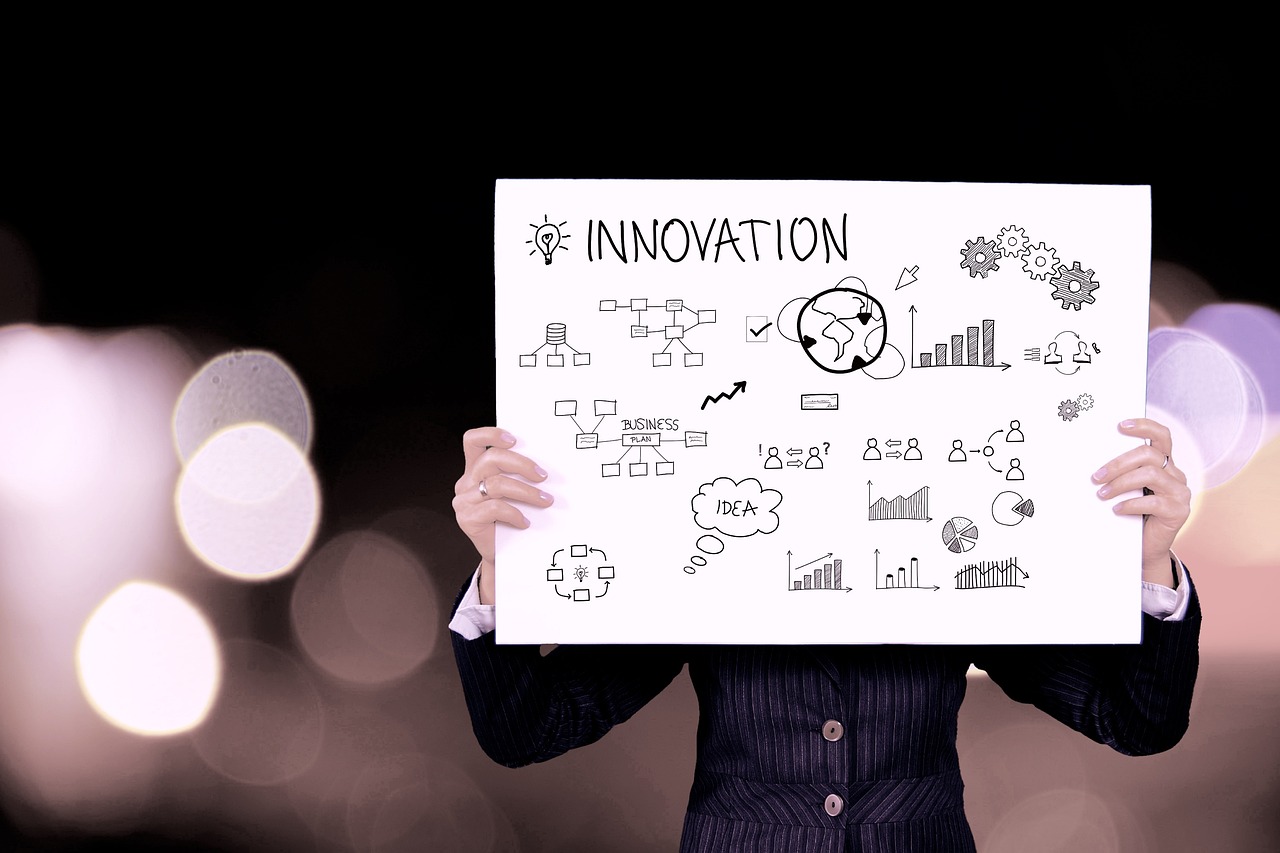
We are currently living through a period of unprecedented transformation, where the boundaries between physical, digital, and biological realms are blurring. Tech innovation is no longer just about incremental upgrades to existing software; it is about reimagining the fundamental ways in which we conduct business, interact with our environment, and solve global challenges. As emerging technologies like Artificial Intelligence, Quantum Computing, and the Internet of Things (IoT) converge, they are creating a synergetic effect that accelerates progress at a pace never seen before in human history.
The Rise of Generative AI and Automation
Transforming Knowledge Work
Generative AI has evolved from a niche research interest to a primary driver of enterprise efficiency. Unlike traditional automation, which follows rigid rules, generative models can create, synthesize, and iterate, effectively augmenting human creativity and technical output.
- Increased Efficiency: Automating routine coding, writing, and analytical tasks.
- Personalization: Delivering tailored customer experiences at scale.
- Data Synthesis: Transforming massive datasets into actionable insights within seconds.
Practical Application: AI in Software Development
Modern developers are increasingly using AI-powered pair programmers. By leveraging models like GPT-4 or GitHub Copilot, teams can reduce boilerplate coding time by up to 40%, allowing them to focus on high-level architecture and complex problem-solving.
Sustainability Through Green Tech
The Energy Transition
Tech innovation is playing a pivotal role in reaching global net-zero goals. By integrating smart sensors and machine learning into energy grids, companies are optimizing power distribution, reducing waste, and facilitating the transition to renewable energy sources.
- Smart Grids: Balancing supply and demand in real-time.
- Energy Storage: Advances in solid-state battery technology for better storage capacity.
- Carbon Capture: Leveraging AI to optimize the efficiency of direct air capture systems.
Actionable Takeaway: Audit Your Digital Footprint
Businesses should evaluate their cloud infrastructure usage. Transitioning to serverless architectures can reduce idle compute time, effectively lowering the carbon footprint of your digital operations.
Cybersecurity in an Era of Hyper-Connectivity
The Evolution of Threat Landscapes
As the number of connected devices grows, so does the attack surface for cyber threats. Innovation in cybersecurity is shifting from reactive “perimeter defense” to proactive, AI-driven threat hunting and zero-trust architectures.
- Zero Trust Models: Ensuring that no device or user is trusted by default, regardless of their location.
- Quantum-Resistant Encryption: Preparing data infrastructure for the eventual rise of quantum computing.
- AI-Driven Detection: Using behavioral analytics to spot anomalies before a breach occurs.
Key Security Strategy
Implement multi-factor authentication (MFA) and continuous monitoring. If you operate in a distributed environment, ensure that your security policies are unified across cloud, hybrid, and on-premise systems.
The Internet of Things (IoT) and Edge Computing
Moving Intelligence to the Edge
Traditionally, IoT devices relied on cloud processing. However, the future lies in “Edge Computing,” where data is processed closer to the source—at the device level. This reduces latency and bandwidth costs, which is critical for time-sensitive operations.
- Autonomous Manufacturing: Real-time machine monitoring to predict maintenance needs.
- Connected Healthcare: Wearable sensors that monitor vital signs and transmit alerts instantly.
- Precision Agriculture: Using IoT sensors to monitor soil moisture and automate irrigation.
Practical Implementation Tip
Start small by deploying IoT sensors for specific operational bottlenecks. For instance, monitoring equipment temperature or vibration can save thousands in downtime through proactive maintenance schedules.
Conclusion
Tech innovation is not a destination but a continuous journey of improvement and discovery. From the democratization of Artificial Intelligence to the sustainability breakthroughs powered by green technology, the innovations we witness today are building the foundation for tomorrow’s economy. The organizations and professionals that thrive in this environment are those that prioritize adaptability, invest in continuous learning, and remain focused on using technology to solve genuine human problems. By staying informed on these key trends, you can position yourself or your business to leverage these advancements effectively, ensuring you remain relevant in an increasingly automated and interconnected world.