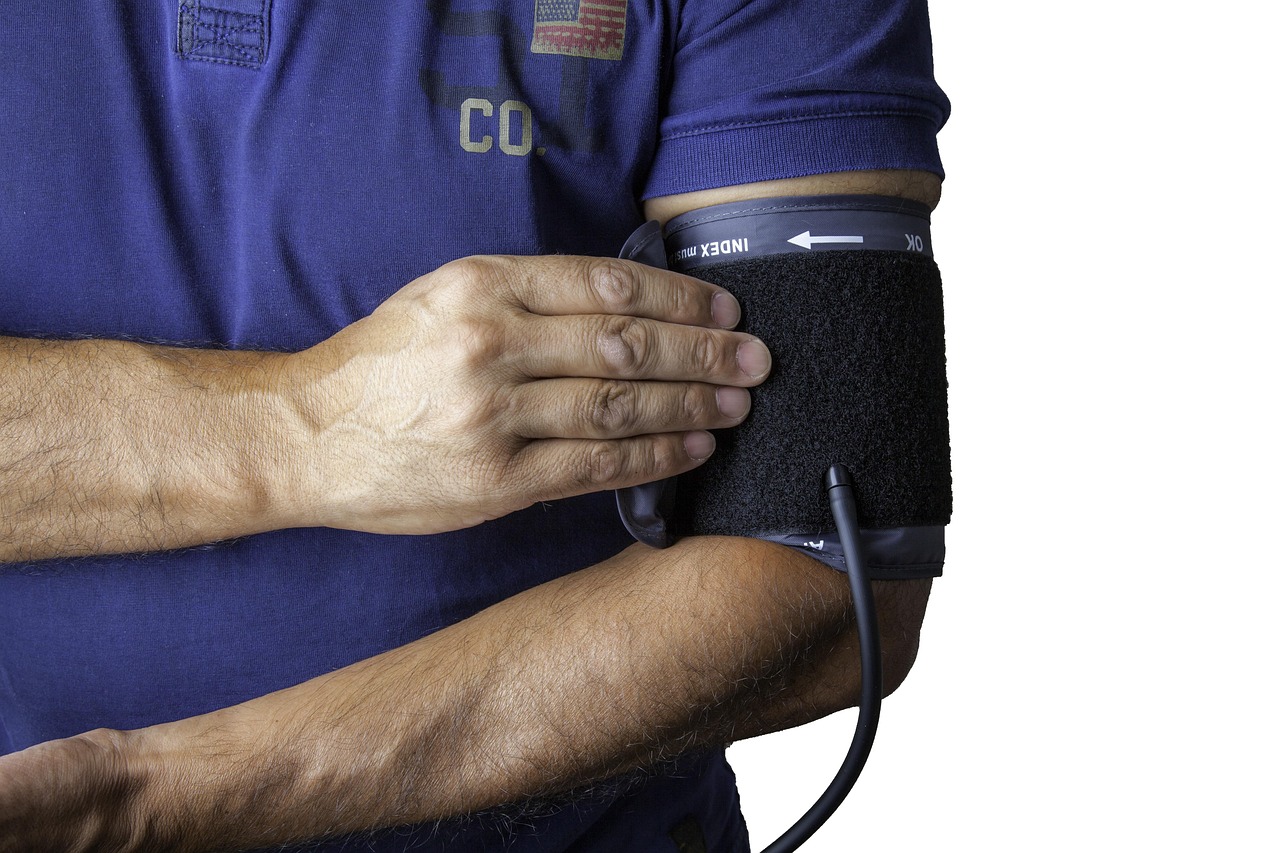
In our modern, fast-paced world, finding time for physical activity often slips to the bottom of our to-do lists. However, moving your body is not just about aesthetics or weight management; it is a fundamental pillar of long-term health and psychological well-being. According to the World Health Organization, adults should aim for at least 150 to 300 minutes of moderate-intensity aerobic physical activity per week to combat sedentary lifestyles and reduce the risk of chronic diseases. Whether you are a fitness enthusiast or just starting your journey, understanding the multifaceted benefits of movement is the first step toward a more vibrant life.
The Science-Backed Benefits of Regular Exercise
Physical Health Improvements
Engaging in consistent physical activity triggers a cascade of positive physiological changes. From strengthening your heart to fortifying your bones, the benefits are systemic.
- Cardiovascular Health: Regular movement lowers blood pressure and improves cholesterol levels.
- Metabolic Efficiency: Exercise helps regulate blood sugar levels, significantly lowering the risk of Type 2 diabetes.
- Bone Density: Weight-bearing exercises help prevent osteoporosis by increasing bone strength.
Mental and Cognitive Advantages
The mind-body connection is profound. Physical activity serves as a powerful tool for mental health, often acting as a natural antidepressant.
- Stress Reduction: Physical exertion lowers cortisol levels and triggers the release of endorphins.
- Enhanced Cognitive Function: Studies suggest that aerobic exercise increases blood flow to the brain, improving memory and focus.
- Better Sleep Quality: Establishing a routine helps regulate your circadian rhythm, leading to deeper, more restorative sleep.
Designing Your Personal Fitness Strategy
Understanding Your Goals
Before diving into a routine, it is essential to define what you want to achieve. Are you looking to build muscle, improve your cardiovascular endurance, or simply increase your daily mobility?
- Identify your “Why”: Is it for energy levels, disease prevention, or performance?
- Assess your current level: Be realistic about where you are starting to avoid injury.
- Set SMART goals: Ensure your targets are Specific, Measurable, Achievable, Relevant, and Time-bound.
Choosing the Right Activities
Sustainability is the key to fitness. Choose activities that you genuinely enjoy so that exercise becomes a highlight of your day rather than a chore.
- Cardiovascular Training: Brisk walking, swimming, cycling, or dancing.
- Strength Training: Bodyweight exercises (push-ups, squats), resistance bands, or lifting weights.
- Flexibility and Balance: Yoga, Pilates, or dedicated stretching routines.
Overcoming Barriers to Physical Activity
Time Management Hacks
The most common excuse for inactivity is a “lack of time.” However, you don’t need an hour-long gym session to reap the rewards of physical activity.
- Micro-workouts: Incorporate three 10-minute bursts of movement throughout your day.
- Active Commuting: Opt to bike to work or park at the far end of the parking lot.
- Multitasking Movement: Take phone calls while walking or do bodyweight exercises during television commercials.
Staying Motivated Long-Term
Maintaining consistency is the hardest part of any fitness journey. Use these practical tactics to stay on track:
- Find a Workout Buddy: Social accountability significantly increases adherence.
- Track Your Progress: Use wearable devices or a simple journal to visualize your improvement.
- Reward Yourself: Celebrate milestones with non-food rewards, like a new piece of gear or a spa day.
Nutrition and Recovery: The Silent Partners of Fitness
Fueling Your Performance
Physical activity requires proper fuel. Nutrition is not just about weight; it’s about providing the energy your muscles need to perform and recover.
- Pre-workout: Focus on complex carbohydrates for sustained energy.
- Post-workout: Prioritize protein intake to assist in muscle repair and recovery.
- Hydration: Drink water throughout the day to support metabolic functions and joint lubrication.
The Importance of Rest Days
Recovery is when the actual physiological adaptation happens. Ignoring rest can lead to burnout and injury.
- Active Recovery: Engage in light activities like gentle yoga or walking on rest days.
- Listen to Your Body: If you feel persistent pain or extreme fatigue, take an extra day off.
- Sleep Hygiene: Aim for 7–9 hours of quality sleep to allow for hormonal balancing and muscle repair.
Conclusion
Incorporating regular physical activity into your life is one of the most impactful decisions you can make for your long-term health. By understanding the diverse physical and mental benefits, setting realistic goals, and prioritizing recovery, you transform exercise from a task into a lifestyle. Remember, the journey to wellness is not a sprint; it is a lifelong commitment to moving better, feeling stronger, and living a more energetic life. Start small today—a brisk walk or a few stretches—and build your foundation for a healthier tomorrow.