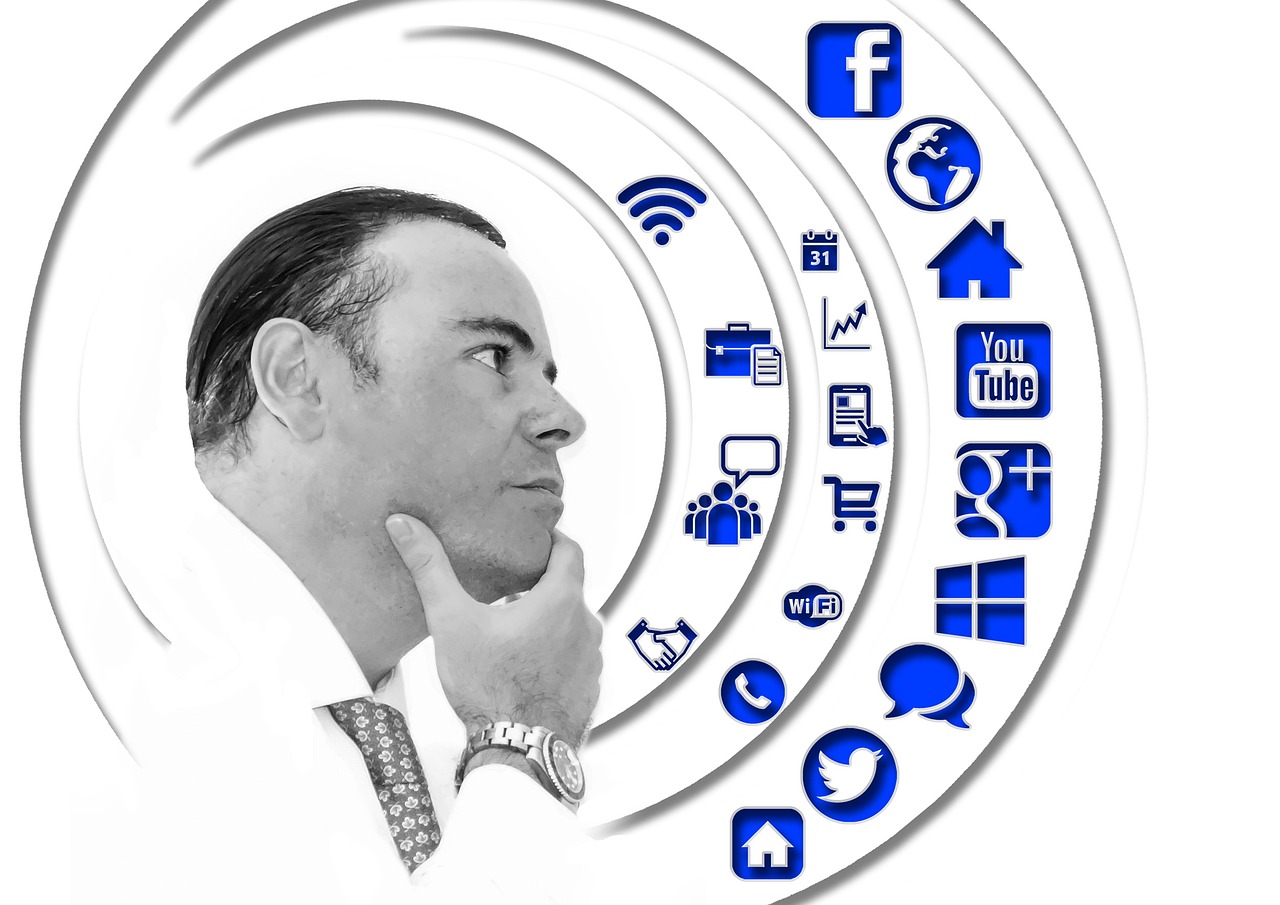
In today’s hyper-competitive digital marketplace, understanding the “why” behind every purchase is the key to sustainable business growth. Consumer behavior is more than just a marketing buzzword; it is a complex intersection of psychology, sociology, and economics that dictates how individuals select, purchase, and dispose of products and services. As traditional buyer journeys evolve into fragmented, omnichannel experiences, businesses that fail to decode these behavioral patterns risk losing relevance. By analyzing the factors that influence purchasing decisions, companies can move beyond guesswork and implement data-driven strategies that resonate with their target audience at every touchpoint.
The Foundational Pillars of Consumer Behavior
Psychological Influences
At the core of every transaction lies the human mind. Psychological factors are the internal stimuli that drive a consumer to act. Key drivers include:
- Motivation: According to Maslow’s Hierarchy of Needs, consumers are driven by different tiers of requirements, ranging from basic survival to self-actualization.
- Perception: How a customer interprets your brand’s messaging is just as important as the message itself. Selective attention often leads consumers to ignore brands that don’t align with their worldview.
- Beliefs and Attitudes: Personal experiences and upbringing shape a consumer’s predisposition toward a product.
Social and Cultural Drivers
We are social beings, and our consumption is rarely an isolated act. Cultural background and social groups dictate what we value. For instance, in many Western markets, individualism drives purchases, whereas, in collectivist cultures, family-centric products often see higher engagement.
Key Stages of the Consumer Decision-Making Process
1. Problem Recognition and Information Search
The process begins when a consumer identifies a “gap” between their current state and a desired state. Whether it is a broken laptop or a desire for a healthier lifestyle, the consumer then moves to the information search phase. Digital marketers must ensure their brand appears in organic search results or social media ads during this critical window.
2. Evaluation of Alternatives and Purchase Decision
Once armed with information, consumers compare options based on price, quality, brand reputation, and peer reviews. This is where social proof—such as customer testimonials and case studies—becomes the deciding factor. To increase conversion rates, businesses should:
- Simplify the checkout process to reduce friction.
- Provide clear, transparent pricing and return policies.
- Utilize retargeting ads to remind consumers who abandoned their carts.
The Impact of Digital Transformation on Purchasing Habits
The Rise of the Omnichannel Consumer
Modern consumers rarely stick to a single platform. A buyer might research a product on Instagram, read reviews on a niche blog, and ultimately purchase in-store. This shift requires businesses to maintain a consistent brand identity across all channels. According to industry data, companies with strong omnichannel engagement strategies retain an average of 89% of their customers, compared to just 33% for those with weak omnichannel strategies.
The Role of Personalization and AI
Artificial Intelligence has moved personalization from a “nice-to-have” to an industry standard. By analyzing historical purchase data, AI tools can suggest products that feel curated for the individual. Actionable Tip: Implement dynamic email marketing that recommends products based on a user’s specific browsing history rather than generic newsletters.
Factors Influencing Brand Loyalty
Building Trust Through Transparency
In an era of skepticism, consumers gravitate toward brands that align with their personal values. Whether it is sustainability, ethical sourcing, or superior customer support, transparency acts as a powerful retention tool. When a brand demonstrates accountability, it builds a deep-seated emotional connection that price point alone cannot disrupt.
Customer Experience as a Competitive Advantage
Loyalty is earned through the post-purchase experience. If a customer has a seamless unboxing process or a helpful support interaction, they are more likely to become a repeat buyer. Key components of loyalty include:
- Responsive customer service channels (live chat, email, social media).
- Loyalty programs that reward long-term engagement.
- Consistent quality control across product lines.
Conclusion
Mastering consumer behavior is an ongoing process of learning, testing, and adapting. By deeply understanding the psychological and social triggers that drive your customers, you can craft marketing strategies that are not only more effective but also more empathetic to the needs of the buyer. Remember, at the heart of every data point is a real person looking for a solution. When businesses prioritize the customer experience and align their offerings with authentic consumer values, they build lasting relationships that transcend the simple transaction. Stay curious, leverage your data, and always prioritize the needs of your target audience to thrive in the ever-evolving marketplace.