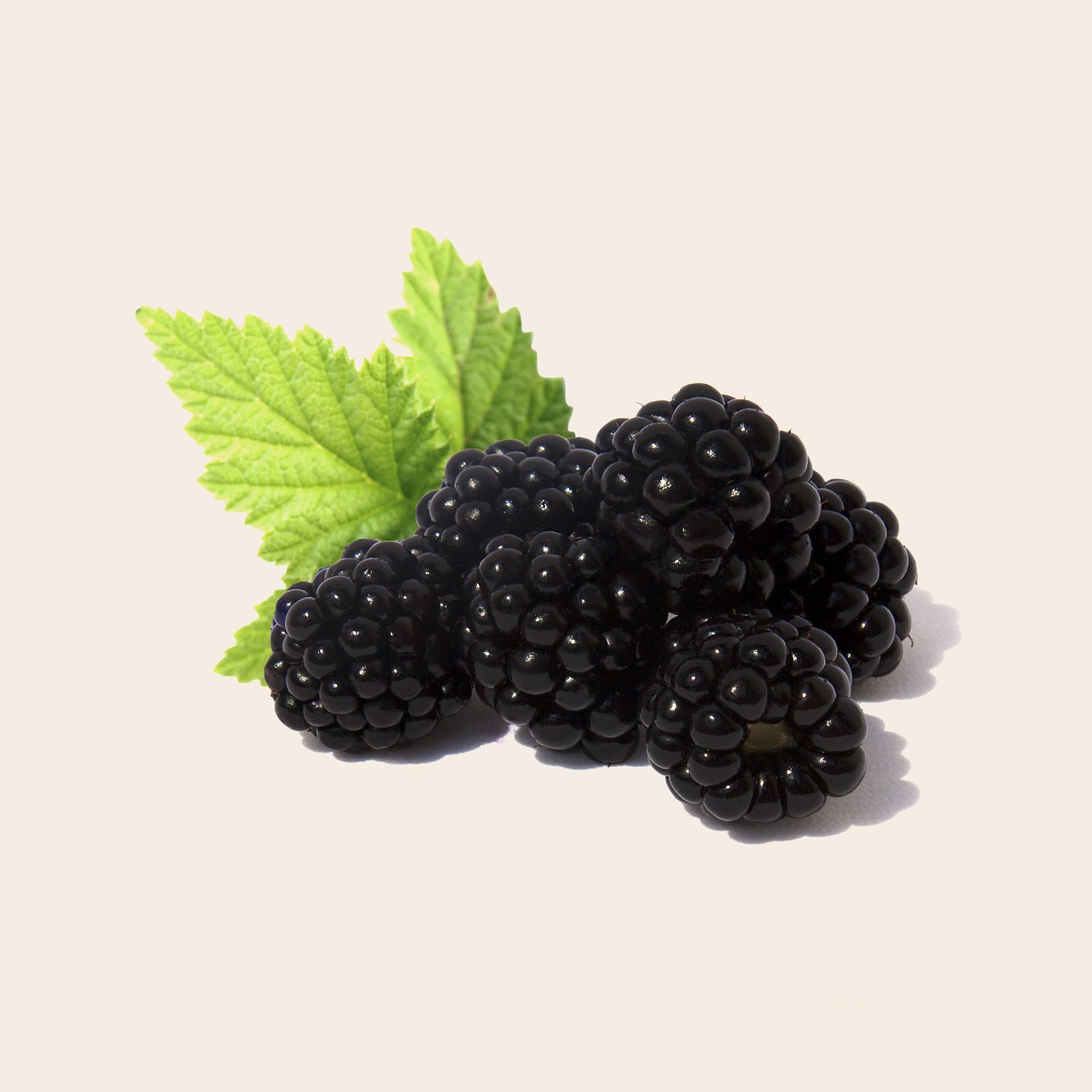
Achieving optimal health is rarely about quick fixes or restrictive fads; instead, it centers on the fundamental concept of a balanced diet. In an era where processed foods and contradictory nutritional advice dominate the landscape, understanding how to fuel your body correctly is the most effective tool you have for longevity, disease prevention, and sustained energy. A balanced diet isn’t just about weight management—it is the cornerstone of a high-functioning immune system, improved mental clarity, and long-term physical vitality.
The Fundamentals of Nutritional Balance
At its core, a balanced diet is one that provides the body with the essential nutrients—macronutrients and micronutrients—required for optimal function. It is not about eliminating entire food groups, but rather about choosing the right quality of foods in the correct proportions.
Understanding Macronutrients
Macronutrients are the nutrients we need in large amounts to provide energy (measured in calories). They consist of three primary components:
- Carbohydrates: Your body’s primary energy source. Focus on complex carbs like whole grains, oats, and legumes.
- Proteins: Essential for tissue repair, muscle growth, and immune function. Sources include lean meats, tofu, eggs, and Greek yogurt.
- Fats: Vital for brain health and hormone production. Prioritize unsaturated fats found in avocados, nuts, seeds, and olive oil.
The Role of Micronutrients
While needed in smaller quantities, vitamins and minerals are critical for thousands of biochemical reactions in the body. According to the Harvard T.H. Chan School of Public Health, a diet rich in fruits and vegetables can reduce blood pressure, lower the risk of heart disease, and prevent digestive issues.
Building a Healthy Plate
Practical application is where most people struggle. Simplifying your plate into manageable proportions can take the guesswork out of meal planning.
The Harvard Healthy Eating Plate Model
A simple way to visualize a balanced meal is to divide your plate into three distinct sections:
- One-half vegetables and fruits: Aim for variety and color to ensure a diverse intake of antioxidants.
- One-quarter whole grains: Think brown rice, quinoa, or whole-wheat pasta.
- One-quarter healthy protein: Opt for fish, poultry, beans, or nuts.
Practical Tips for Portion Control
Portion distortion is a common hurdle in modern nutrition. Use these tips to stay on track:
- Use smaller plates to trick the brain into feeling satisfied with less.
- Listen to your hunger cues; stop eating when you are 80% full.
- Pre-portion snacks instead of eating directly from the bag.
The Importance of Hydration and Whole Foods
Nutrition is not just about what you eat, but also what you drink and the processing level of your food. Whole foods—those that are unrefined and free from additives—should form the bulk of your diet.
Prioritizing Whole Foods
Processed foods are often packed with hidden sugars, sodium, and trans fats. By choosing “single-ingredient” foods, you automatically increase your intake of fiber and nutrients while reducing empty calories.
The Science of Hydration
Water is involved in every metabolic process. Research suggests that even mild dehydration can impair cognitive function and physical performance. Aim for at least 2 to 3 liters of water per day, depending on your activity level and climate.
Tailoring Your Diet to Your Lifestyle
A truly balanced diet is sustainable, which means it must adapt to your individual needs, activity levels, and health goals. There is no one-size-fits-all approach to nutrition.
Adjusting for Activity Levels
Athletes and highly active individuals require more carbohydrates to replenish glycogen stores. Conversely, those with sedentary roles should focus more heavily on nutrient-dense fiber and lean proteins to maintain satiety without excessive calorie intake.
Addressing Dietary Restrictions
Whether you are vegan, gluten-free, or following a ketogenic protocol, the principles remain the same. Ensure you are getting adequate coverage across all nutrient groups by substituting missing elements with equivalent sources (e.g., using lentils as a protein source if you are meat-free).
Overcoming Common Nutritional Obstacles
Even with the best intentions, social pressure, time constraints, and cravings can derail your efforts. Recognizing these obstacles is the first step toward consistency.
Planning for Success
- Meal Prep: Prepare batches of grains or proteins on Sundays to avoid reaching for fast food during the work week.
- Mindful Eating: Avoid distractions like TVs or smartphones while eating to better recognize satiety signals.
- The 80/20 Rule: Aim to eat nutrient-dense foods 80% of the time, leaving 20% for your favorite indulgences to prevent burnout and cravings.
Conclusion
A balanced diet is not a temporary pursuit; it is a lifetime investment in your physical and mental well-being. By focusing on whole, nutrient-dense foods, practicing mindful portion control, and staying adequately hydrated, you can significantly improve your quality of life and decrease your risk of chronic disease. Start small—swap one processed snack for a piece of fruit or increase your water intake today—and observe how your body responds with increased energy and clarity. Remember, nutrition is about progress, not perfection.