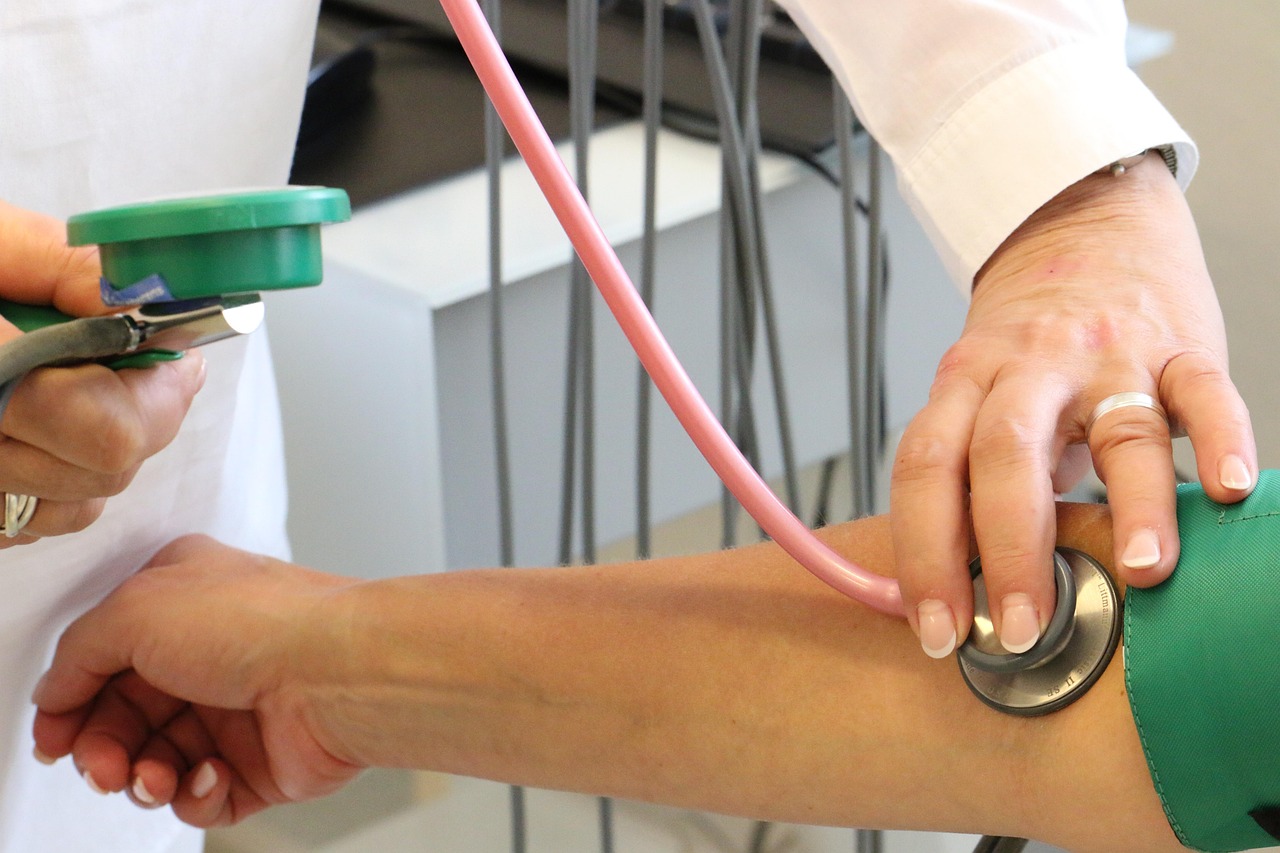
In our fast-paced world, healthcare is often reactive—we wait until symptoms appear before seeking help. However, the most effective way to manage your health is through preventive care. By prioritizing proactive health measures, you can detect potential issues before they become serious, improve your long-term quality of life, and significantly reduce overall medical costs. Embracing a preventive mindset is not just about avoiding illness; it is about empowering yourself to lead a longer, more vibrant life.
Understanding Preventive Care
What is Preventive Health?
Preventive care consists of measures taken for disease prevention, as opposed to disease treatment. It encompasses a wide range of services, including routine physical examinations, immunizations, health screenings, and lifestyle counseling. According to the Centers for Disease Control and Prevention (CDC), chronic diseases—such as heart disease, cancer, and diabetes—are the leading causes of death and disability in the U.S., yet many of these are preventable through early detection and lifestyle modifications.
The Role of Annual Wellness Visits
An annual wellness visit serves as the foundation of your health strategy. During this time, your primary care physician assesses your baseline health metrics, reviews your family medical history, and discusses age-appropriate screenings. These visits allow for:
- Early identification of risk factors like high blood pressure or elevated cholesterol.
- Updates on necessary vaccinations (e.g., flu shots or tetanus boosters).
- A chance to discuss mental health and stress management.
Key Components of a Preventive Routine
Essential Health Screenings
Screenings are designed to catch conditions before you even feel a symptom. Depending on your age, gender, and family history, your doctor may recommend the following:
- Cardiovascular Screenings: Blood pressure checks and lipid panels.
- Cancer Screenings: Mammograms, Pap smears, colonoscopies, or PSA tests.
- Metabolic Checks: Glucose testing to screen for prediabetes or diabetes.
The Importance of Vaccinations
Immunizations are one of the most successful public health tools in history. They protect not only the individual but the community at large through herd immunity. Staying updated on your vaccine schedule—including annual influenza shots and periodic boosters—is a critical, low-effort way to prevent debilitating infectious diseases.
Lifestyle Choices as Preventive Medicine
Nutrition and Physical Activity
While clinical visits are vital, 80% of health outcomes are determined by lifestyle choices outside of the doctor’s office. A heart-healthy diet rich in whole foods, combined with at least 150 minutes of moderate-intensity aerobic activity per week, is the most powerful “prescription” you can write for yourself.
Practical Tip: Start small. If you aren’t currently active, begin with a brisk 20-minute walk five days a week to improve metabolic health and reduce systemic inflammation.
Managing Chronic Stress and Sleep
Modern preventive care recognizes that psychological well-being is intrinsically linked to physical health. Chronic stress triggers the release of cortisol, which can lead to weight gain, immune suppression, and cardiovascular strain. Prioritizing 7–9 hours of quality sleep per night is essential for cognitive function and cellular repair.
Overcoming Barriers to Preventive Care
Cost and Accessibility
Many individuals skip preventive care due to perceived costs. However, under the Affordable Care Act (ACA) in the United States, many private health insurance plans are required to cover a wide range of preventive services at no cost to the patient (no copays or deductibles). Contact your insurance provider to review your “preventive care benefits” to see exactly what is covered for free.
Planning for Success
To ensure you stay on track, implement these actionable steps:
- Schedule recurring appointments: Book your physical, dental cleaning, and eye exam at the same time every year.
- Maintain a health record: Keep a digital or physical folder with your lab results and screening dates.
- Automate reminders: Use your calendar app to set an alert one month before your annual check-up is due.
Conclusion
Preventive care is the ultimate investment in your future. By shifting your focus from “treating the sick” to “maintaining wellness,” you gain control over your health destiny. Whether it is scheduling your next cancer screening, prioritizing consistent exercise, or simply staying updated on vaccinations, every proactive step contributes to a more resilient body and mind. Start today by contacting your primary care provider to schedule your next wellness check—your future self will thank you.