In an era where sedentary lifestyles have become the norm, the importance of regular exercise has never been more critical. Whether you are looking to boost your energy levels, improve your mental health, or increase your longevity, physical activity serves as the most effective tool in your wellness arsenal. While the concept of “working out” can feel overwhelming, understanding the science and structure behind movement can help you transform it from a chore into a rewarding habit that fuels your overall quality of life.
The Science-Backed Benefits of Regular Exercise
Physical activity is not just about weight management; it is a holistic approach to maintaining physiological and psychological health. According to the Centers for Disease Control and Prevention (CDC), adults need at least 150 minutes of moderate-intensity activity per week to experience significant health improvements.
Physical Health Gains
Engaging in consistent physical activity provides a myriad of long-term health advantages, including:
- Cardiovascular Health: Strengthens the heart and improves circulation, reducing the risk of heart disease by up to 35%.
- Weight Management: Helps regulate metabolism and maintains a healthy body composition.
- Bone and Muscle Strength: Resistance training increases bone density, preventing osteoporosis and age-related muscle loss (sarcopenia).
Mental and Cognitive Improvements
Exercise acts as a natural antidepressant by triggering the release of endorphins and neurotransmitters like serotonin. Regular movement has been linked to lower rates of anxiety and improved sleep quality, while also supporting cognitive functions such as memory and focus as we age.
Designing a Balanced Workout Routine
A successful fitness plan is built on variety. By incorporating different types of training, you ensure that no muscle group is neglected and that your body continues to adapt and grow stronger.
Components of a Comprehensive Plan
- Cardiovascular Training: Activities like running, swimming, or cycling that elevate the heart rate.
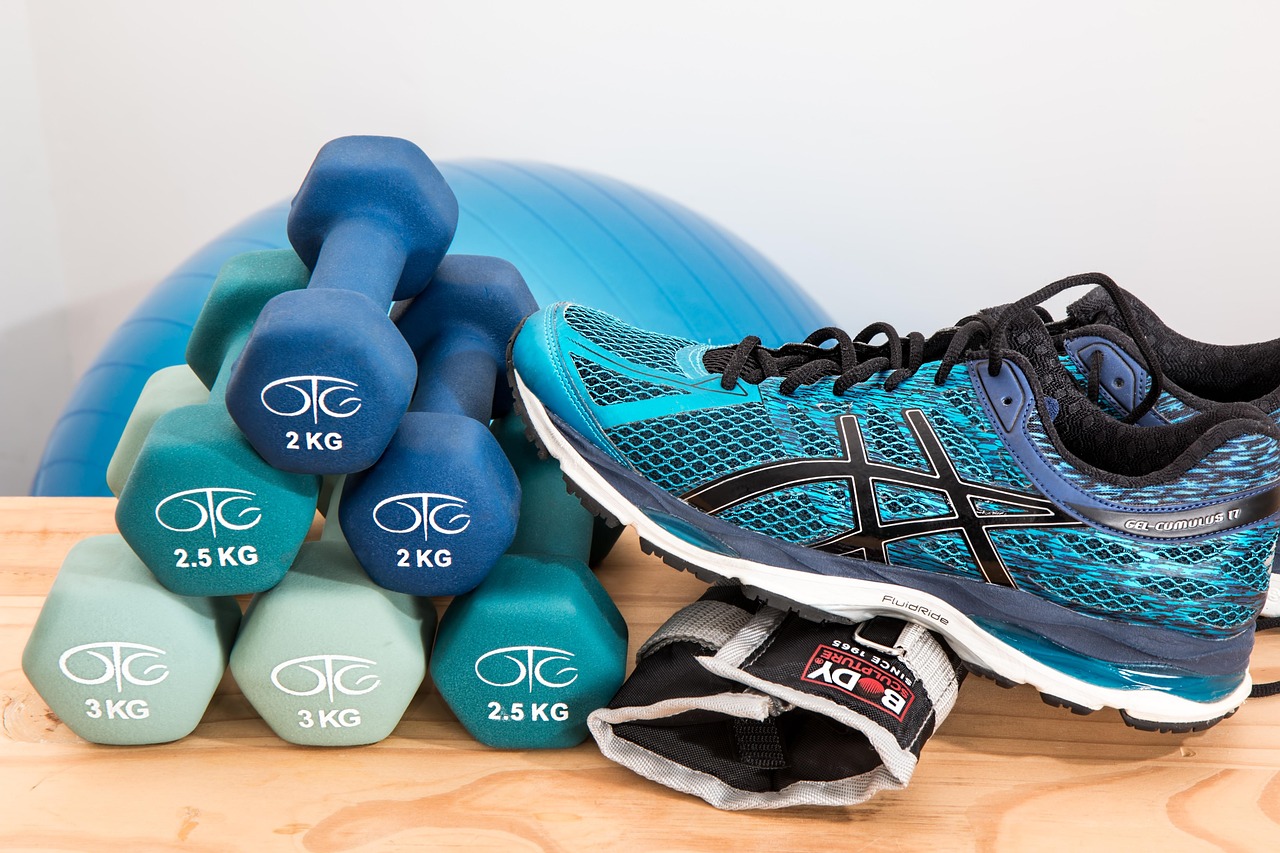
- Strength Training: Using weights, resistance bands, or body weight to challenge muscle fibers.
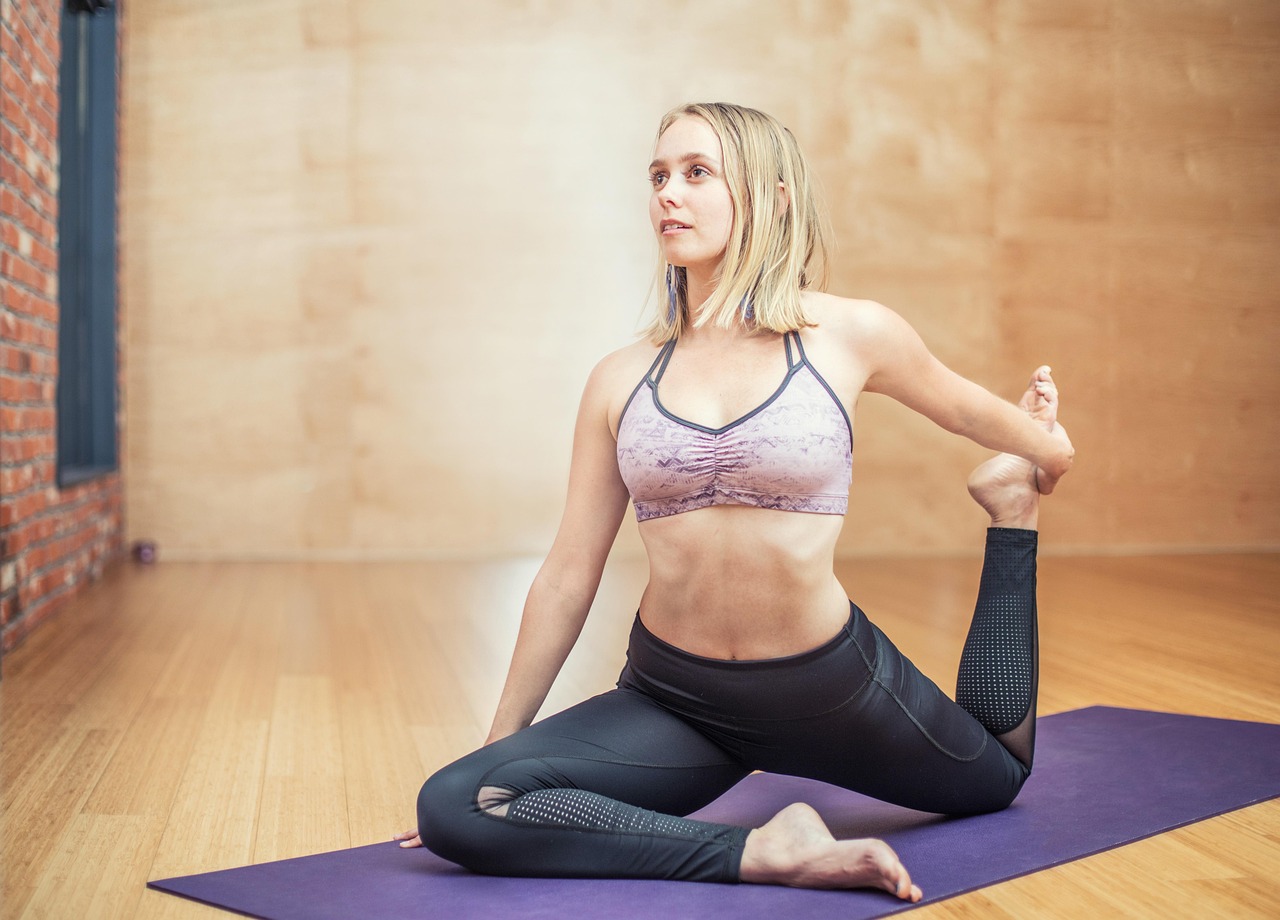
- Flexibility and Mobility: Practices such as yoga or static stretching to improve joint range of motion.
Actionable Tip for Beginners
Start with the “Consistency Over Intensity” rule. Instead of aiming for a two-hour workout once a week, commit to three 30-minute sessions. Consistency is the primary driver of physiological adaptation and habit formation.
Overcoming Common Barriers to Consistency
Many individuals start a fitness journey with enthusiasm but drop off due to common roadblocks. Identifying these obstacles is the first step toward building a sustainable lifestyle.
Time Management Strategies
Lack of time is the most frequently cited barrier to exercise. To combat this, try the following:
- Micro-Workouts: Break your movement into three 10-minute sessions spread throughout the day.
- Workout Stacking: Pair exercise with a current habit, such as listening to a specific podcast only while walking.
- Preparation: Lay out your workout clothes the night before to reduce “decision fatigue” in the morning.
Staying Motivated
Motivation is fleeting, but discipline is reliable. Track your progress using a journal or fitness app, and focus on non-scale victories like increased energy, better mood, and improved sleep quality rather than just weight loss.
Nutrition and Recovery: The Pillars of Performance
Exercise is only half the equation. Without proper fuel and recovery, your body cannot repair the micro-tears created during physical exertion, which can lead to injury and burnout.
Fueling for Success
Think of food as high-quality gasoline for your engine. Prioritize complex carbohydrates for sustained energy and high-quality protein to support muscle protein synthesis.
The Importance of Rest
Rest days are not “lazy” days; they are essential for progress. Aim for 7–9 hours of quality sleep, as this is when the body releases growth hormones necessary for tissue repair. Integrate active recovery, such as a light walk or foam rolling, on days off from intense training.
Conclusion
Exercise is a lifelong journey, not a destination. By understanding the physiological benefits, structuring your routines effectively, and prioritizing recovery, you can make physical activity a sustainable and enjoyable part of your daily life. Remember that every small movement counts—the best workout is the one you actually do. Start slow, stay consistent, and listen to your body as you work toward a healthier, more vibrant version of yourself.