The global film industry is currently navigating a period of unprecedented transformation, driven by rapid technological advancements and shifting audience consumption habits. As the traditional boundaries between theatrical releases and digital streaming dissolve, filmmakers and studio executives alike are forced to rethink how stories are produced, distributed, and monetized. Understanding the complex ecosystem of modern cinema requires a look beyond the glitz of the red carpet to the intricate economic, creative, and logistical mechanisms that keep the industry moving forward in an increasingly competitive entertainment landscape.
The Evolution of Film Production and Distribution
The Shift from Celluloid to Digital Pipelines
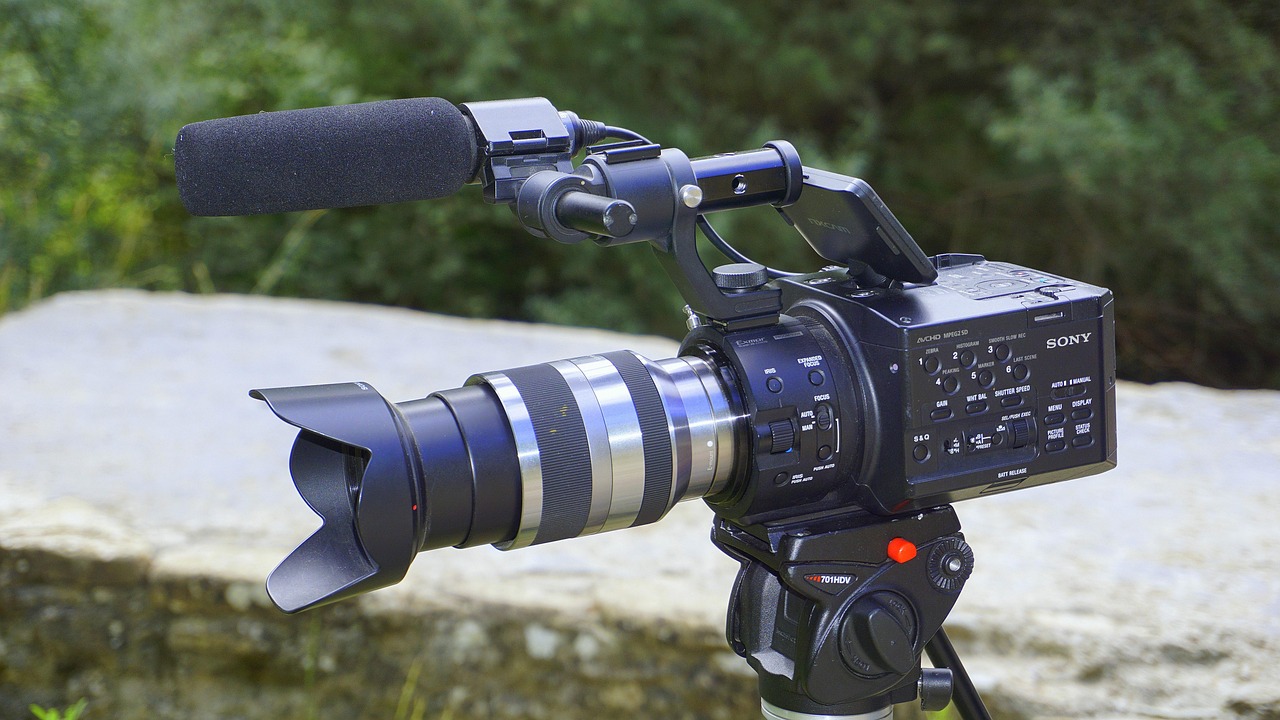
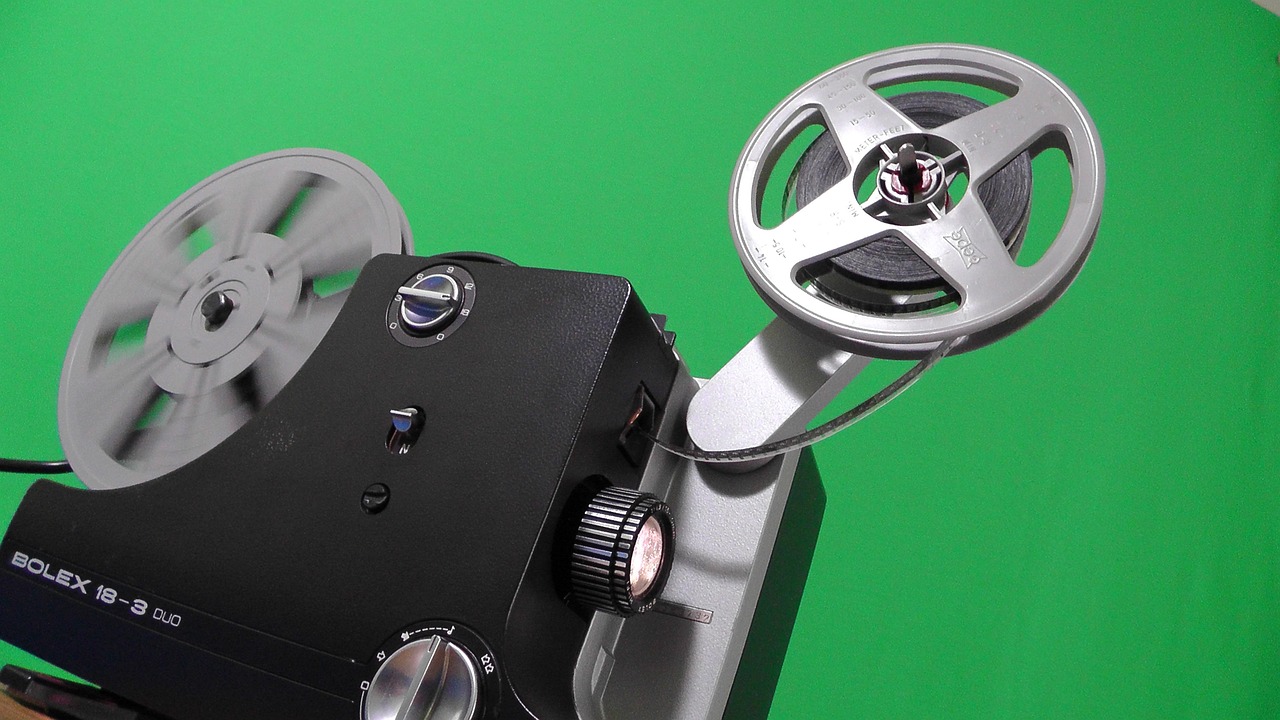
Modern film production has undergone a seismic shift, moving from physical film stock to sophisticated digital workflows. This transition has democratized filmmaking, allowing independent creators to produce high-quality content with consumer-grade equipment.
- Digital Intermediates: The industry now relies on high-resolution digital cameras (like ARRI and RED) that streamline post-production.
- Cloud-Based Collaboration: Editing and visual effects (VFX) teams now work remotely across global time zones using secure cloud infrastructure.
- Accessibility: Lower barriers to entry mean more diverse voices can bring niche stories to the screen.
The Streaming Revolution
Platforms like Netflix, Disney+, and Amazon Prime have altered the traditional “windowing” model—the time period between a theatrical release and home video availability. Studios must now balance theatrical prestige with the sheer volume demanded by streaming algorithms.
Emerging Technologies Reshaping Cinema
Virtual Production and LED Volumes
Perhaps the most significant innovation in recent years is the rise of virtual production. By using LED volumes—large, high-definition screens that display real-time, engine-rendered backgrounds—filmmakers can capture “in-camera” visual effects that previously required weeks of post-production green screen work.
Example: The production of The Mandalorian utilized “The Volume,” allowing actors to interact with environments that react to lighting changes in real-time, significantly increasing immersion and saving on location costs.
Artificial Intelligence in Post-Production
AI is increasingly being utilized to handle tedious tasks, allowing creative teams to focus on storytelling. Applications include:
- Automated Rotoscoping: Quickly separating subjects from backgrounds.
- Voice Synthesis: Aiding in dubbing and localization efforts.
- Predictive Analytics: Using data to forecast audience reception based on script analysis.
The Economics of Blockbusters and Independent Cinema
The High-Stakes World of Franchises
The modern film industry is dominated by “tentpole” films—high-budget features designed to launch franchises, merchandise, and theme park attractions. These films often carry budgets exceeding $200 million and rely heavily on international box office performance to reach profitability.
The Sustainability of Independent Film
While blockbusters capture the headlines, independent cinema remains the industry’s engine for innovation. Independent filmmakers often utilize:
- Co-Production Models: Sharing financial risk with international partners.
- Grant Funding and Tax Incentives: Leveraging regional tax credits in locations like Georgia, Canada, or the UK.
- Aggressive Festival Strategies: Using festivals like Sundance or Cannes as a launchpad for acquisition deals.
Marketing and Audience Engagement Strategies
Data-Driven Targeting
Digital marketing has replaced traditional billboard and print-heavy campaigns. By leveraging social media analytics and search intent data, studios can target niche audiences with precision. This ensures that marketing spend is focused on the demographics most likely to engage with specific genres.
The Importance of Transmedia Storytelling
Successful franchises no longer stop at the movie screen. To build longevity, studios engage fans through:
- Gaming Integration: Developing companion video games or interactive experiences.
- Short-Form Content: Using TikTok and Instagram Reels to show “behind-the-scenes” footage.
- Community Building: Creating exclusive fan memberships or interactive digital campaigns that encourage user-generated content.
Conclusion
The film industry is a dynamic, ever-changing beast that rewards adaptability and technical proficiency. As we look toward the future, the integration of virtual production, AI-assisted workflows, and direct-to-consumer digital distribution will continue to redefine what it means to make and watch a movie. For aspiring filmmakers and industry professionals alike, success lies in balancing the timeless art of narrative storytelling with the cutting-edge tools that define the modern era. By embracing these technological shifts while maintaining a focus on human-centric stories, the film industry will undoubtedly continue to captivate audiences worldwide for generations to come.