In our increasingly sedentary digital age, the human body is often confined to chairs and screens, yet it is biologically engineered for movement. Physical activity is more than just a means to achieve a specific physique; it is the fundamental cornerstone of longevity, mental clarity, and metabolic health. Whether you are aiming to reduce the risk of chronic disease or simply looking to boost your daily energy levels, understanding the mechanics and benefits of regular exercise is the first step toward a transformative lifestyle. This guide explores how you can integrate sustainable movement into your routine to unlock a healthier, more vibrant version of yourself.
The Science of Physical Activity and Health
Why Movement Matters
Physical activity triggers a complex cascade of physiological changes that improve how your body functions at a cellular level. According to the World Health Organization (WHO), adults should aim for at least 150–300 minutes of moderate-intensity aerobic activity per week. When you move, you improve insulin sensitivity, enhance cardiovascular efficiency, and stimulate the production of endorphins.
Key Physiological Benefits
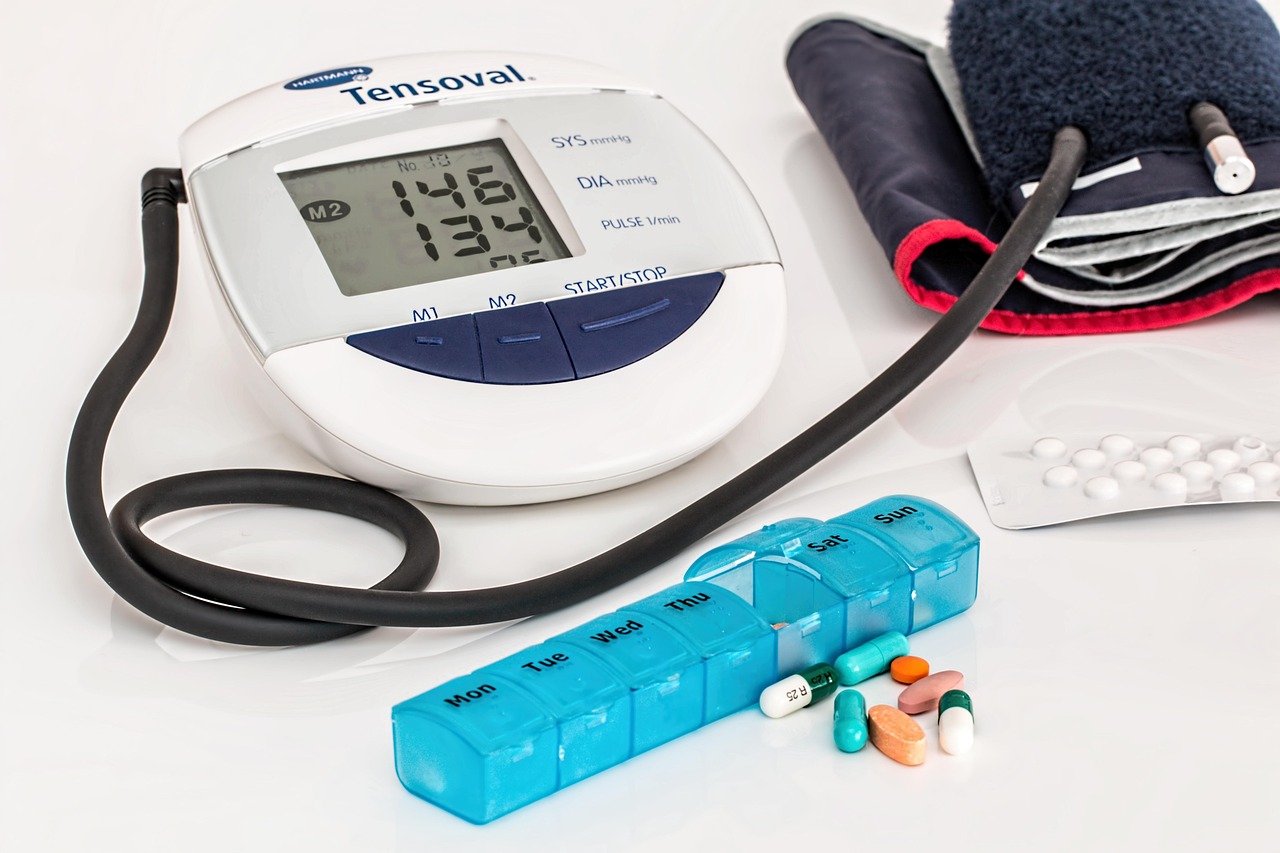
- Cardiovascular Health: Regular movement strengthens the heart muscle and lowers blood pressure.
- Metabolic Regulation: Exercise helps manage blood sugar levels and optimizes your metabolic rate.
- Bone Density: Weight-bearing exercises are essential for preventing osteoporosis as you age.
Actionable Takeaway: Start small. If you aren’t currently active, aim for a 10-minute brisk walk after dinner to jumpstart your metabolic process.
Types of Physical Activity Explained
Aerobic (Cardio) Exercise
Aerobic activity focuses on increasing your heart rate and breathing for an extended period. This is the primary driver for heart and lung health. Examples include:
- Brisk walking or jogging
- Swimming laps
- Cycling or stationary biking
Strength and Resistance Training
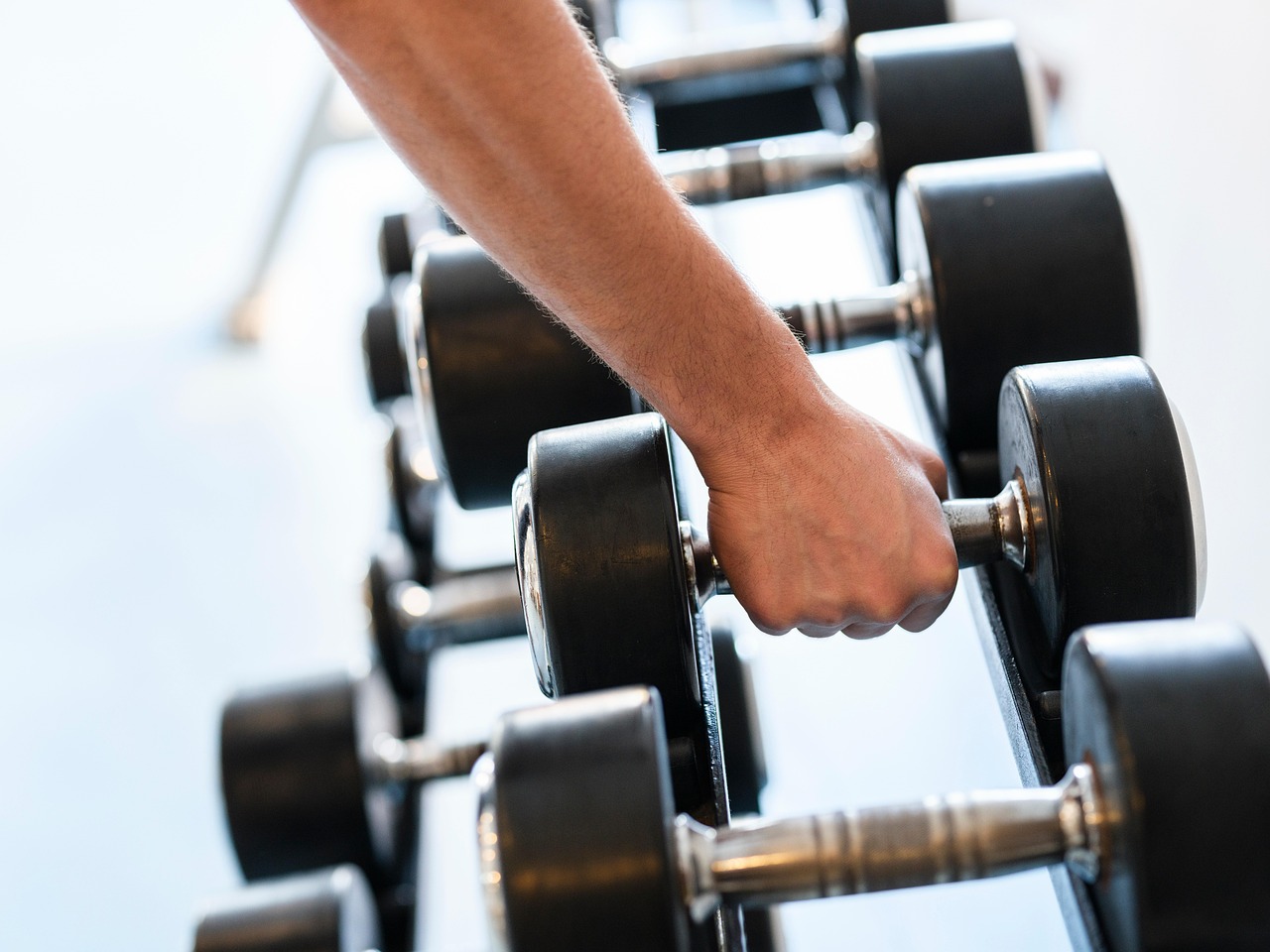
Resistance training involves using weights or body weight to challenge your muscles. This is crucial for maintaining muscle mass, which naturally declines with age. Muscle tissue is metabolically active, meaning the more you have, the more calories your body burns even at rest.
Flexibility and Balance
Often overlooked, activities like yoga or Pilates improve joint mobility and core stability. These practices are vital for injury prevention and long-term functional movement.
Mental Health and Cognitive Function
The Neurochemical Boost
The connection between the body and mind is undeniable. Physical activity acts as a potent antidepressant by regulating neurotransmitters like serotonin and dopamine. Research suggests that exercise can reduce symptoms of anxiety and depression, often as effectively as traditional interventions for mild cases.
Focus and Productivity
Exercise increases blood flow to the brain, which enhances executive function and memory. If you find yourself hitting a mid-afternoon “slump,” a brief session of movement can often be more effective than an extra cup of coffee.
Practical Example: Try “movement snacking”—doing 2 minutes of squats or jumping jacks between work tasks to reset your focus.
Overcoming Common Barriers to Exercise
The Time Constraint Myth
Many believe that exercise requires an hour-long gym session. However, consistency is more important than duration. Breaking your activity into three 10-minute sessions throughout the day provides similar health benefits to one 30-minute session.
Staying Consistent
- Schedule it: Treat your workouts like high-priority business meetings.
- Find an Activity You Enjoy: You are more likely to stick to a routine if you enjoy the movement, whether it’s dancing, hiking, or playing a sport.
- Use Accountability: Exercising with a friend or joining a local fitness group significantly increases adherence.
Safety and Sustainability
Listening to Your Body
Injury is the fastest way to derail a new fitness journey. Distinguish between the “good pain” of muscle fatigue and the “bad pain” of joint or tendon injury. Always prioritize form over weight or intensity.
The Importance of Recovery
Recovery is when your body actually builds muscle and repairs tissue. Ensure you are getting adequate sleep and hydration, and consider incorporating “active recovery” days—light activities like stretching or walking—rather than complete inactivity.
Conclusion
Physical activity is not a punishment or a chore; it is a celebration of what your body is capable of. By integrating a mix of aerobic, strength, and flexibility training into your life, you are investing in a future of vitality and independence. Start where you are, use what you have, and remember that any movement is infinitely better than no movement at all. Begin today by taking a walk, signing up for a class, or simply standing up more often—your future self will thank you.