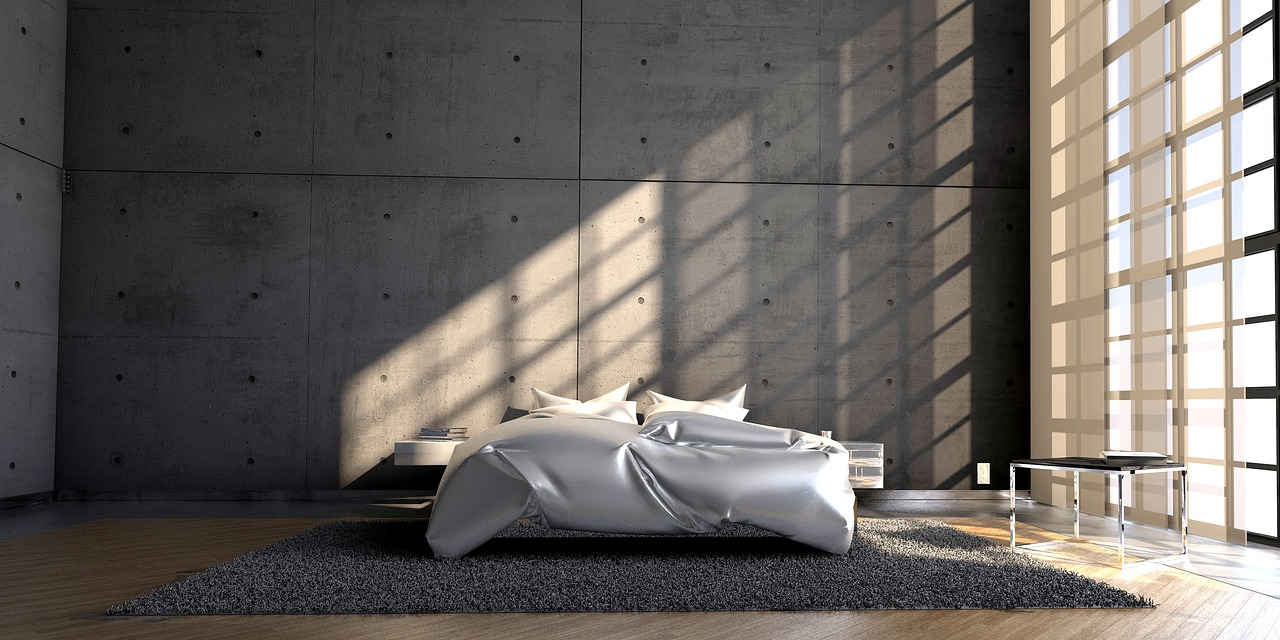
In our fast-paced modern world, it is easy to accumulate an overwhelming amount of possessions that eventually clutter our living spaces and our minds. Physical clutter is more than just an aesthetic issue; studies show that it can increase cortisol levels, decrease focus, and contribute to feelings of anxiety. By learning how to declutter effectively, you are not just cleaning a room—you are creating a sanctuary that supports your mental clarity, productivity, and overall well-being. Whether you are aiming for a minimalist lifestyle or simply want to reclaim your square footage, this comprehensive guide will provide the roadmap you need to transform your home.
The Psychological Benefits of a Clutter-Free Home
Reducing Mental Overload
Our brains are designed to process visual information constantly. When our environment is chaotic, it competes for our attention, making it difficult to focus on tasks. A decluttered space acts as a reset button for the mind.
- Enhanced Focus: Removing distractions leads to better productivity.
- Reduced Stress: A tidy environment signals safety and organization to the brain.
- Better Sleep: An uncluttered bedroom promotes relaxation and deeper rest.
The Correlation Between Space and Clarity
Research suggests that physical clutter can lead to a mental backlog. When we hold onto items “just in case,” we are essentially holding onto unfinished business. Clearing these items helps foster a sense of closure and provides the mental space necessary for new ideas and creativity to flourish.
Establishing a Successful Decluttering Strategy
The “One-In, One-Out” Rule
Sustainability is key to long-term success. Implementing the “One-In, One-Out” rule ensures that for every new item you bring into your home, an old one must be discarded, donated, or recycled. This prevents the cycle of accumulation from starting over.
The Four-Box Method
To prevent feeling overwhelmed during the process, categorize every item you touch into one of these four boxes:
- Keep: Items that are used regularly or hold significant sentimental value.
- Donate/Sell: Items in good condition that you no longer need.
- Trash/Recycle: Broken, expired, or non-functional items.
- Relocate: Items that belong in a different room or storage area.
Room-by-Room Decluttering Techniques
Tackling the Kitchen
The kitchen is often the heart of the home, but it can quickly become a graveyard for gadgets. Start by clearing your countertops. If you haven’t used a kitchen appliance in the last six months, it is likely cluttering valuable space.
- Check expiration dates on pantry items.
- Group similar items (e.g., all baking supplies together).
- Clear out duplicate spatulas or kitchen tools.
Managing Paperwork and Digital Clutter
Clutter isn’t just physical; it is often digital and paper-based. Implementing a filing system for essential documents and digitizing old receipts can save hours of searching later. Use a shredder for sensitive documents to ensure security while reclaiming desk space.
Maintaining Your Clean Environment
Creating Daily Habits
Decluttering is not a one-time event; it is a lifestyle. Incorporating 10-minute “closing shifts” at the end of every day can prevent clutter from snowballing. Simply tidying the living room or clearing the mail before bed can make a world of difference.
Investing in Smart Storage Solutions
Once you have purged unnecessary items, organize what remains. Use clear bins, drawer dividers, and vertical shelving to ensure everything has a “home.” Remember: Everything you own should have a designated place. If it doesn’t have a place, it will inevitably become clutter.
Conclusion
Decluttering is a transformative process that rewards you with more than just a clean house; it gives you the gift of time, reduced stress, and improved focus. By starting small, utilizing effective strategies like the Four-Box Method, and committing to sustainable habits, you can escape the cycle of accumulation for good. Remember, the goal is not perfection, but rather creating a living environment that aligns with your current needs and aspirations. Start your journey today—one drawer, one shelf, or one corner at a time—and experience the liberating feeling of a truly clutter-free life.