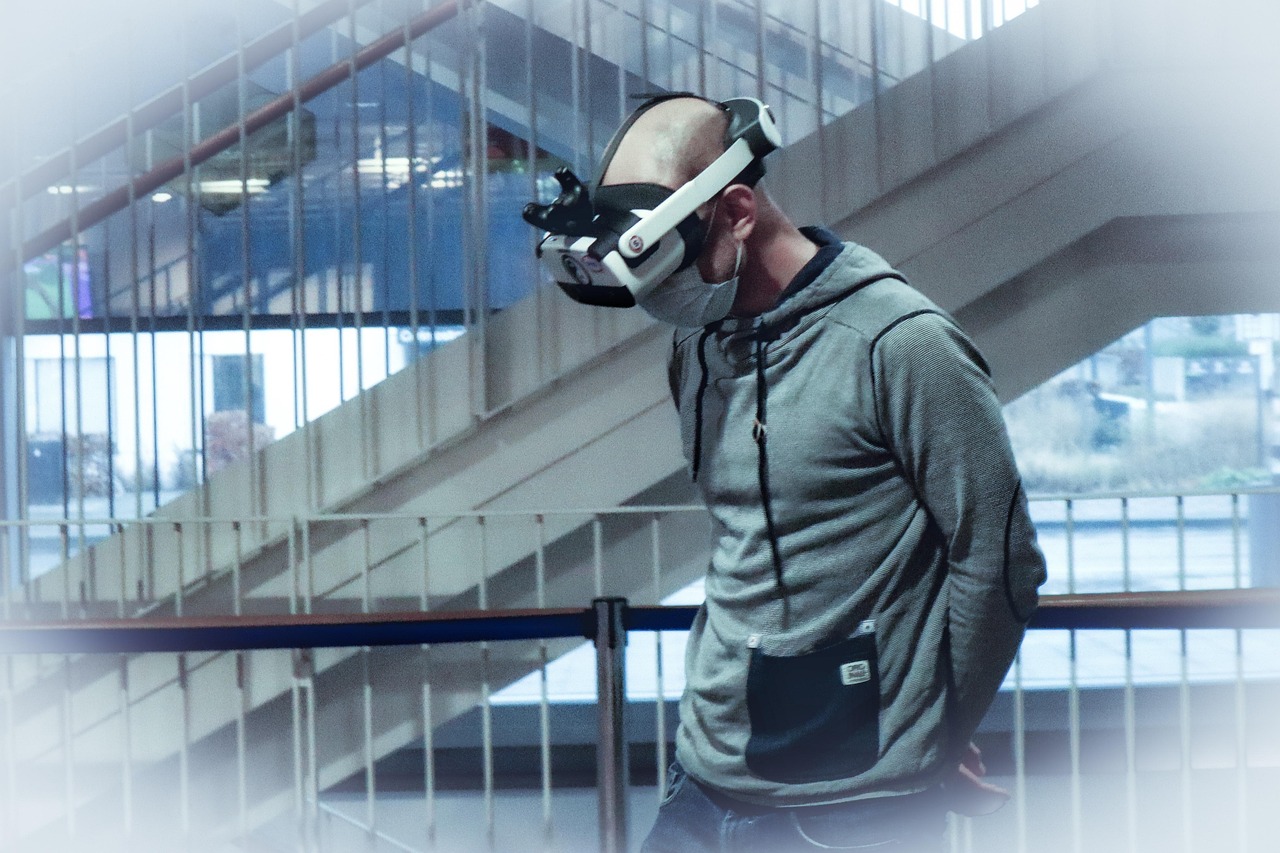
We stand at the precipice of a technological renaissance that promises to redefine the boundaries of human capability. From the integration of artificial intelligence into our daily workflows to the breakthrough potential of quantum computing, the pace of innovation is accelerating at an unprecedented rate. Understanding these advancements is no longer just a hobby for tech enthusiasts; it is a necessity for anyone looking to navigate the complexities of the modern digital landscape. In this exploration of future tech, we delve into the core pillars of innovation that will shape our world over the next decade.
Artificial Intelligence and Generative Systems
The Evolution of Machine Learning
Artificial Intelligence (AI) has moved beyond simple automation to become a collaborative partner in human creativity and problem-solving. Machine learning models are now capable of processing massive datasets to provide predictive analytics, which is transforming industries from healthcare to finance.
- Predictive Maintenance: Industrial sectors use AI to predict equipment failure before it happens, saving billions in operational costs.
- Natural Language Processing: Advancements in LLMs allow for more intuitive human-computer interaction.
Generative AI in Professional Workflows
Generative AI is shifting from a novelty to a critical business tool. By automating content creation, code generation, and design, it allows professionals to focus on high-level strategy.
- Actionable Tip: Integrate AI-driven project management tools to automate administrative scheduling and email categorization.
The Quantum Computing Revolution
Breaking Traditional Computational Limits
While classical computers process data in binary bits, quantum computers use qubits, allowing them to perform complex calculations in seconds that would take current supercomputers thousands of years. This technology is set to revolutionize cryptography and material science.
Practical Applications for Business
- Drug Discovery: Simulating molecular interactions with near-perfect accuracy to fast-track medicine development.
- Financial Modeling: Optimizing investment portfolios by processing millions of variables simultaneously.
The Rise of Sustainable Energy Tech
Next-Generation Battery Storage
As the world transitions to renewable energy, the challenge of storage remains paramount. Future tech in battery science, such as solid-state batteries, promises higher energy density and faster charging times for both consumer electronics and electric vehicles (EVs).
Smart Grids and Decentralization
IoT-enabled smart grids are allowing for more efficient energy distribution, reducing waste and supporting a more stable power supply. By 2030, analysts expect smart grid technology to lower global energy consumption by up to 15%.
The Metaverse and Extended Reality (XR)
Redefining Digital Interaction
Extended Reality—which encompasses Virtual Reality (VR) and Augmented Reality (AR)—is transforming how we collaborate. The “Metaverse” serves as a collective virtual shared space where social and professional interactions occur in 3D environments.
Use Cases for Professional Growth
- Virtual Training: High-risk industries like aviation and surgery use VR to train employees in simulated, consequence-free environments.
- Remote Collaboration: AR overlays enable engineers to see digital schematics mapped onto physical machinery in real-time.
Biotechnology and Human Augmentation
Personalized Medicine
The convergence of CRISPR gene-editing technology and AI is leading to an era of hyper-personalized medicine. Treatments are now being designed based on a patient’s specific genetic profile, significantly increasing success rates for chronic conditions.
Brain-Computer Interfaces (BCI)
Technologies that connect the human brain directly to external devices are moving from science fiction to reality. These devices hold the potential to assist those with physical disabilities while also creating new ways to interface with information.
Conclusion
The future of technology is not merely about faster chips or sleeker devices; it is about solving the fundamental challenges of our time, from climate change to healthcare accessibility. As these advancements continue to evolve, the most successful individuals and businesses will be those that remain agile and open to continuous learning. By keeping a pulse on AI, quantum computing, sustainability, and human-centric tech, you can position yourself at the forefront of the next technological wave. Embrace these changes, leverage the tools available today, and stay prepared for the innovations of tomorrow.