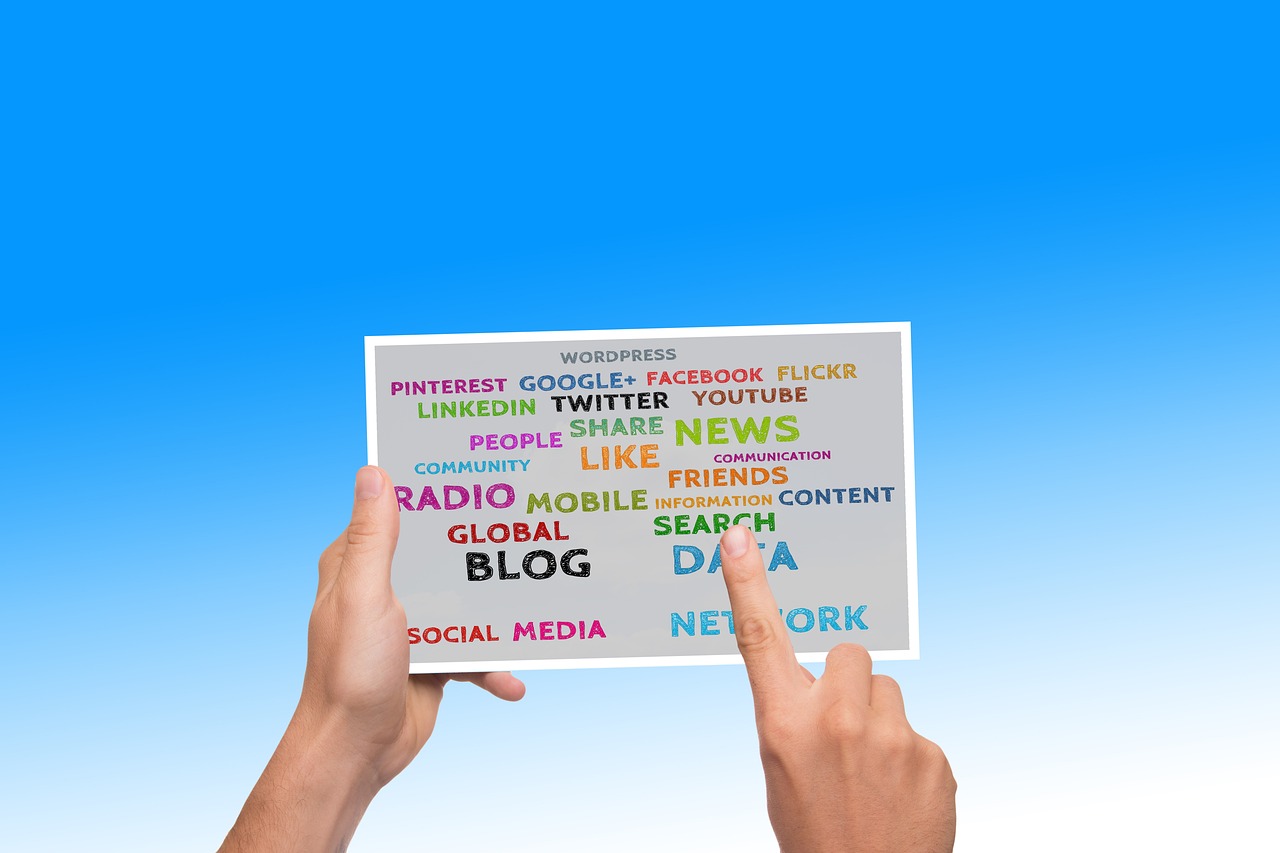
In the rapidly evolving digital landscape, the only constant in marketing is change. As consumer behaviors shift and technological advancements accelerate, staying ahead of the curve is no longer just a competitive advantage—it is a necessity for survival. From the rise of artificial intelligence to the renewed emphasis on privacy-first strategies, modern brands must be agile, data-informed, and deeply human-centric to thrive. This guide explores the most impactful marketing trends of the year and provides actionable strategies to help your business navigate the future of engagement.
The AI Revolution in Marketing
Artificial Intelligence has moved beyond a buzzword and into the core of everyday marketing operations. Today, AI-driven tools are helping marketers streamline workflows, predict customer behavior, and deliver personalized experiences at scale.
Generative AI for Content Creation
Generative AI is transforming how teams approach content strategy. By leveraging tools like ChatGPT, Midjourney, or Jasper, companies can produce high-quality drafts, visuals, and ad copy in a fraction of the time.
- Efficiency: Reduce the time spent on brainstorming and drafting.
- Scalability: Produce personalized content variations for different audience segments.
- Practical Example: A fashion brand uses AI to generate unique product descriptions for thousands of SKUs based on fabric, fit, and seasonal trends.
Predictive Analytics for Customer Retention
AI isn’t just about creation; it’s about foresight. Using predictive analytics, marketers can identify which customers are at risk of churning and intervene with targeted retention campaigns before the loss occurs.
- Actionable Takeaway: Invest in CRM platforms that offer predictive lead scoring to focus your team’s efforts on the highest-value prospects.
The Rise of Short-Form Video Dominance
Short-form video has become the most consumed content format globally. With the success of TikTok, Instagram Reels, and YouTube Shorts, brands are finding that bite-sized, engaging video is the fastest way to capture shrinking attention spans.
Authenticity Over Production Value
Modern consumers are wary of “over-produced” commercials. They prefer raw, authentic content that feels like it was filmed by a peer rather than a corporation.
- Behind-the-Scenes: Show the people behind the product to build brand trust.
- UGC (User-Generated Content): Encourage your customers to share their experiences. It acts as powerful social proof.
The Hook-Driven Strategy
In short-form content, the first three seconds are critical. Brands must master the “hook” to stop the scroll.
- Tip: Start your video with a bold statement, a visually striking question, or a surprising statistic to keep viewers engaged.
Privacy-First Marketing Strategies
With the phasing out of third-party cookies and stricter regulations like GDPR and CCPA, businesses are forced to shift toward first-party data strategies. The future of digital marketing depends on transparency and building direct relationships with consumers.
Building First-Party Data Pools
Instead of relying on external trackers, brands must prioritize collecting data directly from their users through interactions, surveys, and newsletter subscriptions.
- Value Exchange: Offer exclusive content, discounts, or early access in exchange for a user’s email address or preferences.
- Benefit: First-party data is higher quality, more accurate, and respects user consent.
Embracing Zero-Party Data
Zero-party data is information that a customer intentionally shares with a brand, such as their style preferences, goals, or pain points. Use “preference centers” where users can tell you exactly what they want to see, allowing for hyper-personalized email marketing.
Hyper-Personalization and Customer Experience (CX)
Consumers now expect brands to know what they need before they even ask. Generic marketing blasts are becoming ineffective, while personalized experiences drive significantly higher conversion rates.
Dynamic Website Content
Use personalization engines to change your website’s landing page based on the visitor’s location, past purchase history, or referral source.
- Example: An outdoor retailer shows hiking gear to a visitor from Colorado but displays surfing equipment to a visitor from Florida.
The Human Touch in a Digital World
While automation handles the heavy lifting, human-centric support remains vital. Chatbots should always provide a seamless transition to a human representative when complex issues arise. Prioritizing empathy in your communication can turn a frustrated user into a loyal brand advocate.
The Shift Toward Social Commerce
Social media is no longer just a top-of-funnel awareness tool; it is a point-of-sale. With integrated shopping features on platforms like TikTok Shop and Instagram, the friction between discovering a product and buying it has been virtually eliminated.
Reducing Friction in the Buyer Journey
The goal is to keep the user within the app ecosystem. By enabling checkout without leaving the social media platform, brands see higher conversion rates.
- Key Trend: Live shopping events, where influencers demo products in real-time while viewers purchase instantly, are growing in popularity.
Influencer Partnership Evolution
Move away from mega-influencers with millions of followers toward micro-influencers (10k–50k followers). Micro-influencers often have higher engagement rates and a more loyal, niche audience that trusts their recommendations.
Conclusion
The landscape of marketing is shifting toward a model that is more intelligent, more transparent, and significantly more personalized. By embracing AI-driven tools, prioritizing first-party data, and mastering the art of short-form video, businesses can effectively meet customers where they are. Remember, while technology provides the infrastructure, the foundation of successful marketing remains the same: a deep understanding of your audience and the ability to provide genuine value. Start by implementing one or two of these trends today, track your results, and remain ready to pivot as the market evolves.