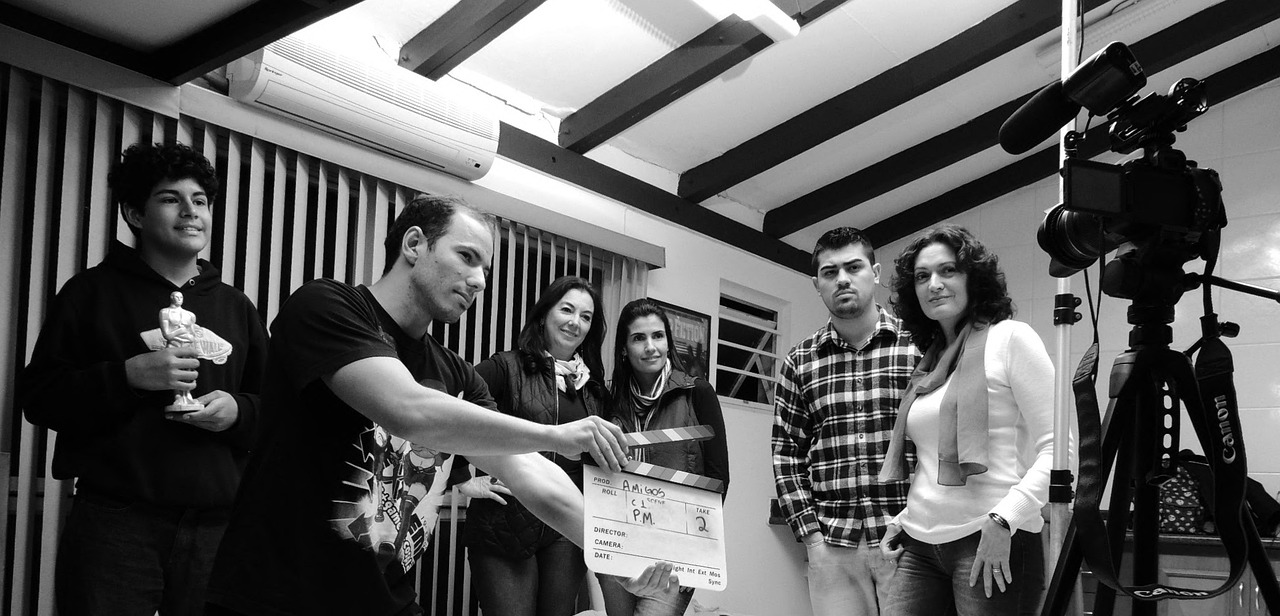
The art of casting is the heartbeat of the entertainment industry, serving as the bridge between a visionary script and the final performance on screen or stage. Whether it is a blockbuster film, an independent theater production, or a high-stakes commercial campaign, selecting the right talent is a complex, multi-layered process that dictates the success of the project. A well-cast production can elevate a mediocre script into a masterpiece, while a miscast project often struggles to find its audience. In this guide, we explore the intricacies of professional casting, providing insights for producers, directors, and aspiring actors alike.
The Fundamentals of the Casting Process
Casting is far more than just finding someone who looks the part; it is an analytical process involving psychology, logistics, and creative intuition. It begins long before the first audition notice is posted.
Pre-Casting Preparation
Before casting begins, the team must define the character’s “DNA.” This includes:
- Character breakdowns: Detailed descriptions of personality traits, age range, and physical requirements.
- Budget considerations: Balancing A-list talent with emerging actors to optimize production value.
- Marketability: Evaluating how specific actors influence global distribution and platform acquisition.
The Role of the Casting Director
A Casting Director (CD) acts as a curator. They maintain deep databases of talent, negotiate with agents, and act as a filter to ensure that only the most qualified performers reach the director. According to industry standards, an effective CD saves production time by narrowing down thousands of applicants to a curated list of twenty or thirty candidates.
Navigating the Audition Lifecycle
The audition phase is where the vision meets reality. This stage has evolved significantly with the advent of digital technology and remote collaboration.
The Rise of Self-Tapes
In recent years, the industry has shifted toward digital submissions. Self-tapes allow actors to audition from anywhere in the world. Key tips for success include:
- Lighting and Sound: Professional audio and clear, soft lighting are non-negotiable.
- Framing: A medium shot (chest up) is standard for most dramatic auditions.
- Read partners: Using a professional reader to provide natural dialogue flow.
The Callback Process
Callbacks are the “finalists” round. This is where directors look for chemistry. A performer might be excellent in isolation, but the magic happens when two leads interact. Directors often test different combinations of actors to see who brings the best energy to the scene.
The Business of Casting: Contracts and Talent
Behind the glamour of the red carpet lies a rigorous business framework. Navigating legal and professional standards is essential to protect both the production and the actor.
Understanding Talent Contracts
Casting involves complex negotiations regarding scale, residuals, and billing. Common contract terms include:
- Exclusivity clauses: Ensuring the actor is available solely for the production during the shoot window.
- Credit placement: Negotiating where the actor’s name appears on screen (e.g., above-the-title billing).
- Union requirements: Adhering to SAG-AFTRA or Equity guidelines to ensure fair wages and safe working conditions.
Practical Example: Commercial Casting
When casting for a commercial, the focus is often on “brand fit.” A brand selling luxury watches will look for actors who exude sophistication and calm, whereas a detergent brand might prioritize “relatable” energy. Producers often look for 3-5 years of commercial experience to ensure the actor can handle technical direction, such as “hitting the mark” while speaking to a camera.
Modern Trends Transforming Casting
Technology and a push for diversity are reshaping how casting directors approach their craft. The industry is moving toward a more inclusive future that better reflects the world around us.
Diversity and Inclusion (DEI)
Data consistently shows that inclusive casting leads to higher audience engagement. Studios are now mandating diversity in audition pools. By expanding the search beyond traditional talent agencies, CDs are discovering untapped talent in regional markets and social media communities.
The Impact of AI and Digital Scouting
AI is beginning to play a role in pattern recognition for casting, helping directors identify actors who fit a “vibe” or a specific character archetype based on their previous performance history. While AI cannot replace human empathy, it serves as a powerful assistant for administrative data crunching.
Best Practices for Aspiring Talent
If you are an actor or a producer, adhering to these professional habits will streamline your workflow and improve your success rate.
Tips for Actors
- Keep your headshots current: A photo should look exactly like you look on your best day.
- Curate your reel: Keep it under two minutes and place your best work in the first 30 seconds.
- Be a professional: Reliability is just as important as talent. Casting directors remember who shows up on time and prepared.
Tips for Producers
- Trust the experts: Give your Casting Director autonomy to bring you “outside-the-box” suggestions.
- Stay organized: Use casting platforms (like Actors Access or Breakdown Services) to track communication effectively.
Conclusion
Casting is an essential pillar of professional media production that blends high-level creativity with logistical precision. Whether you are aiming for an Academy Award-winning film or a high-impact social media commercial, the principles of character research, fair negotiation, and inclusive talent scouting remain constant. By understanding these core processes, you can better navigate the audition cycle and ensure that the talent on screen truly captures the essence of your vision. As the industry continues to innovate, the most successful projects will be those that embrace new technology while never losing sight of the human connection at the heart of every great performance.