In today’s fast-paced world, it is not uncommon to feel overwhelmed by the demands of career, family, and personal expectations. While a certain level of stress is a natural part of the human experience, persistent anxiety can feel like a heavy weight, impacting your physical health, mental clarity, and overall quality of life. According to the Anxiety and Depression Association of America (ADAA), anxiety disorders are the most common mental illness in the U.S., affecting 40 million adults every year. Fortunately, finding relief is not only possible but achievable through a combination of evidence-based strategies, lifestyle modifications, and professional support. This guide explores actionable paths toward calming your mind and reclaiming your sense of peace.
Understanding the Mechanics of Anxiety
The Physiological Response
Anxiety is fundamentally the body’s “fight-or-flight” response gone into overdrive. When you experience stress, your amygdala—the part of the brain responsible for processing fear—signals your endocrine system to release cortisol and adrenaline. While this is helpful if you are running from danger, it becomes problematic when triggered by daily stressors like emails or deadlines.
- Increased Heart Rate: The body prepares to exert physical energy.
- Shallow Breathing: You take in more oxygen for immediate action.
- Muscle Tension: Muscles tighten to protect against injury.
Recognizing the Signs
Anxiety manifests differently for everyone. Being able to identify your specific symptoms is the first step toward effective relief. Common indicators include:
- Persistent feelings of restlessness or feeling “on edge.”
- Difficulty concentrating or your mind “going blank.”
- Unexplained irritability or mood swings.
- Physical symptoms like tension headaches, digestive issues, or insomnia.
Mindfulness and Grounding Techniques
The Power of Controlled Breathing
Breathing is the only part of the autonomic nervous system that you can manually control. By slowing your breath, you send a direct signal to your brain that it is safe to relax. A highly effective method is the 4-7-8 technique:
- Inhale through your nose for 4 seconds.
- Hold your breath for 7 seconds.
- Exhale slowly through pursed lips for 8 seconds.
The 5-4-3-2-1 Grounding Method
When anxiety spirals into a panic attack, grounding techniques help pull your focus back to the present moment. Try this sensory exercise when you feel overwhelmed:
- Identify 5 things you can see around you.
- Identify 4 things you can feel (the fabric of your shirt, the floor beneath your feet).
- Identify 3 things you can hear (the hum of the AC, distant traffic).
- Identify 2 things you can smell.
- Identify 1 thing you can taste.
Lifestyle Adjustments for Long-Term Relief
Nutrition and Hydration
What you put into your body significantly impacts your mood stability. High sugar intake leads to blood sugar spikes and crashes, which can mimic the symptoms of anxiety. To support a calmer nervous system, try these dietary shifts:
- Increase Omega-3 fatty acids: Found in salmon, chia seeds, and walnuts to support brain health.
- Prioritize Magnesium: Often called “nature’s chill pill,” found in spinach, pumpkin seeds, and dark chocolate.
- Limit Caffeine: Excessive coffee can exacerbate jitters and restlessness.
The Role of Regular Movement
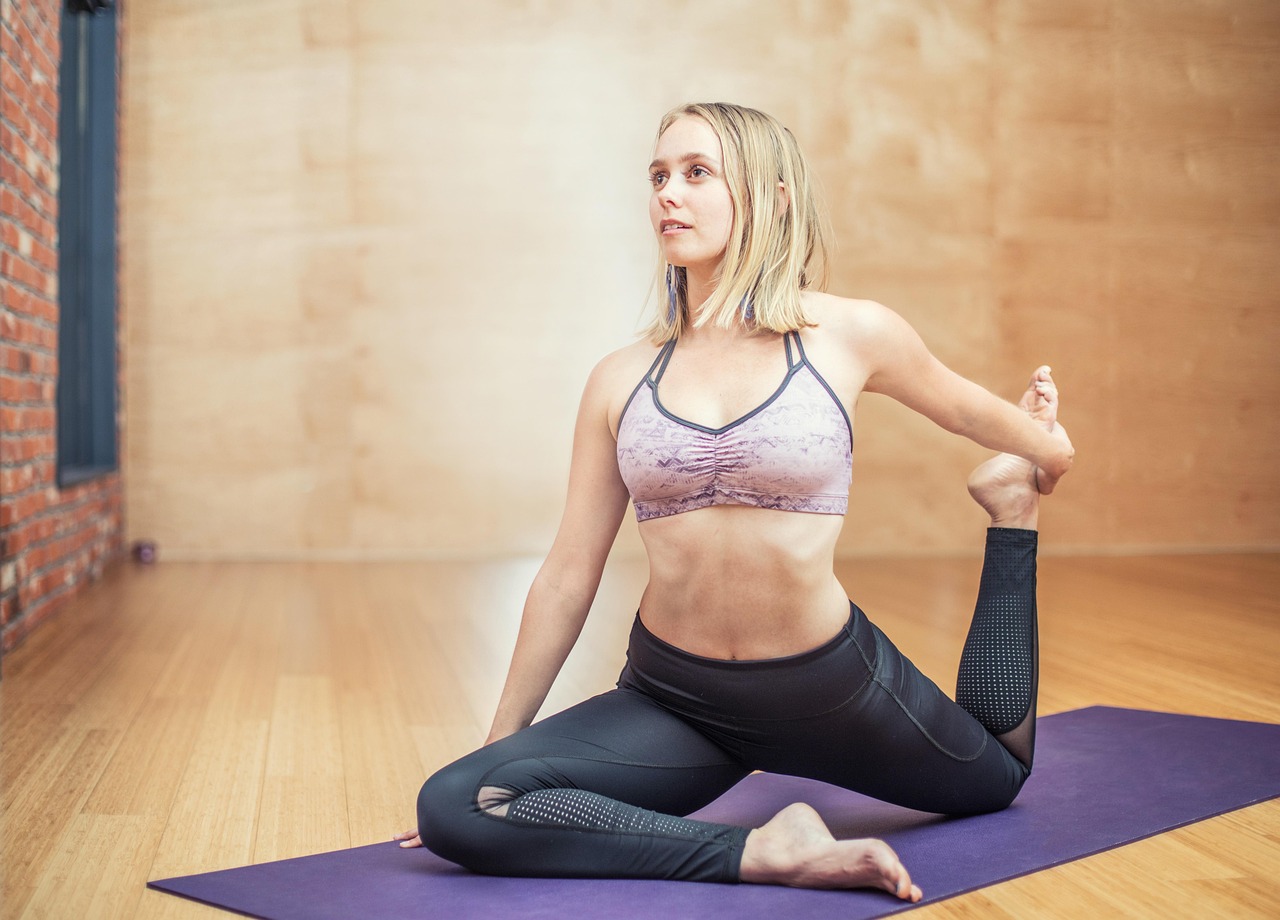
Exercise is a potent anxiety-reducer because it burns off excess adrenaline and releases feel-good neurotransmitters like endorphins. You don’t need a marathon training plan; 20-30 minutes of moderate activity—such as brisk walking, yoga, or swimming—can make a substantial difference in lowering baseline anxiety levels.
Structured Cognitive Strategies
Challenging Automatic Negative Thoughts
Cognitive Behavioral Therapy (CBT) suggests that our thoughts dictate our feelings. When you find yourself in a spiral of “what if” scenarios, try to challenge the validity of those thoughts. Ask yourself:
- Is this thought based on fact or fear?
- What is the worst that could realistically happen, and could I handle it?
- Would I say this to a dear friend in the same situation?
The “Worry Time” Technique
Instead of letting anxiety leak into your entire day, designate a 15-minute “worry window.” If a distressing thought pops up at 10:00 AM, write it down and tell yourself you will address it during your scheduled time at 5:00 PM. This prevents chronic ruminating and gives you a sense of control.
When to Seek Professional Support
Recognizing When DIY isn’t Enough
Self-help strategies are valuable, but they are not a replacement for professional care. If your anxiety prevents you from working, attending school, or maintaining relationships, it is time to consult a mental health professional.
- Psychotherapy: Therapists (such as those specializing in CBT) can help you uncover the root cause of your triggers.
- Medical Intervention: A psychiatrist or primary care physician can evaluate whether medication might be necessary to balance brain chemistry.
- Support Groups: Connecting with others who share similar experiences can significantly reduce the stigma and isolation often associated with anxiety.
Conclusion
Anxiety relief is not a destination but a practice. By integrating mindfulness techniques, physical wellness habits, and cognitive reframing into your daily routine, you can dampen the volume of your internal “fight-or-flight” response. Remember that progress is rarely linear—there will be difficult days, and that is okay. Be patient with yourself as you navigate these tools. If you find that your anxiety remains persistent or overwhelming, do not hesitate to reach out to a licensed professional. You deserve to live a life defined by peace and clarity rather than apprehension.