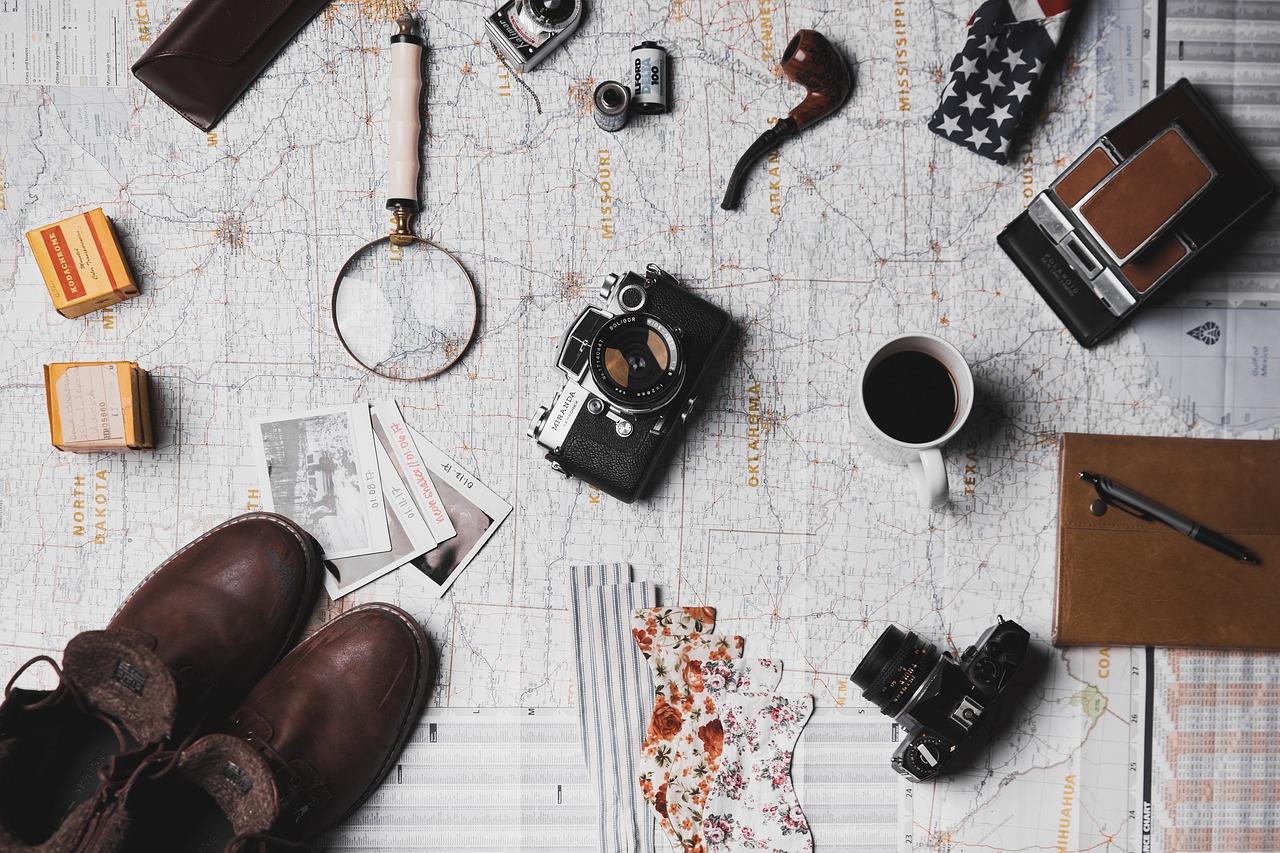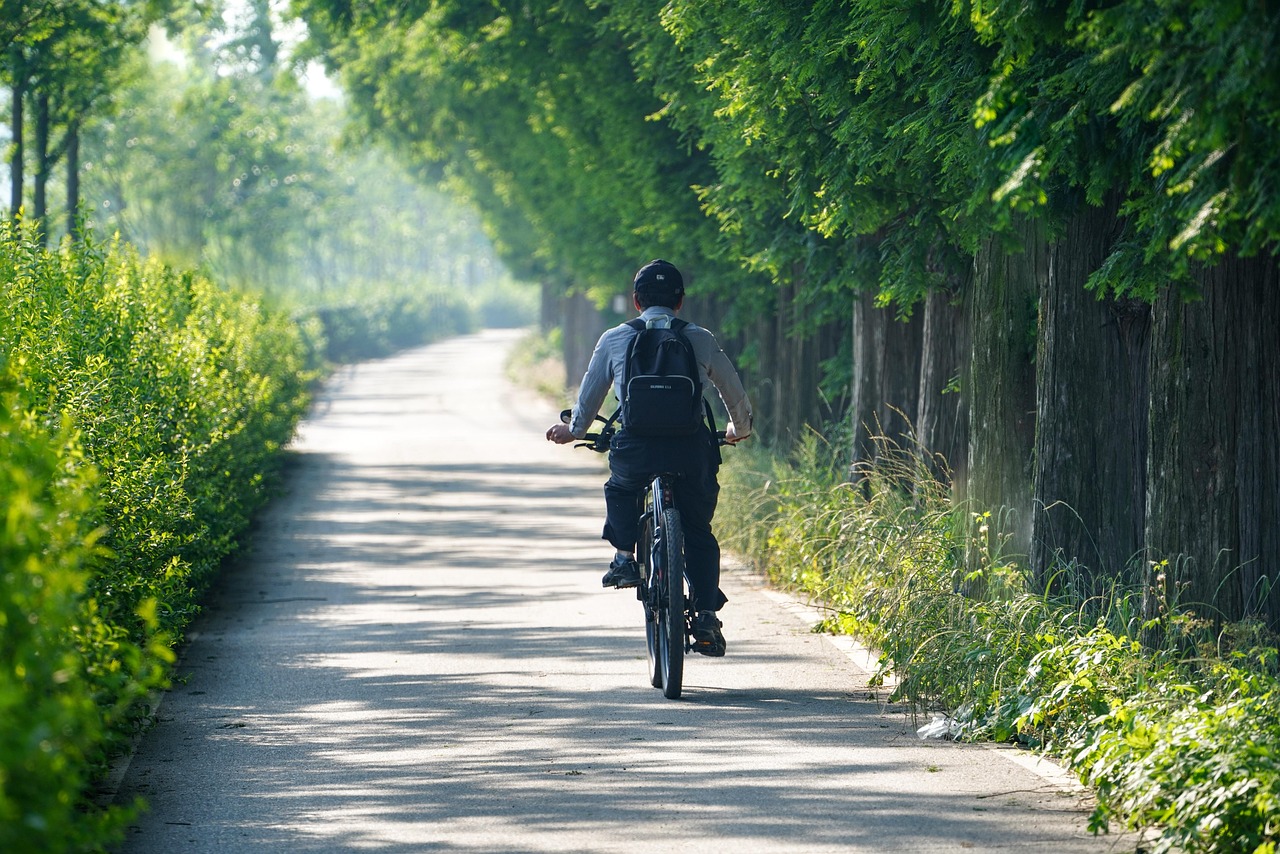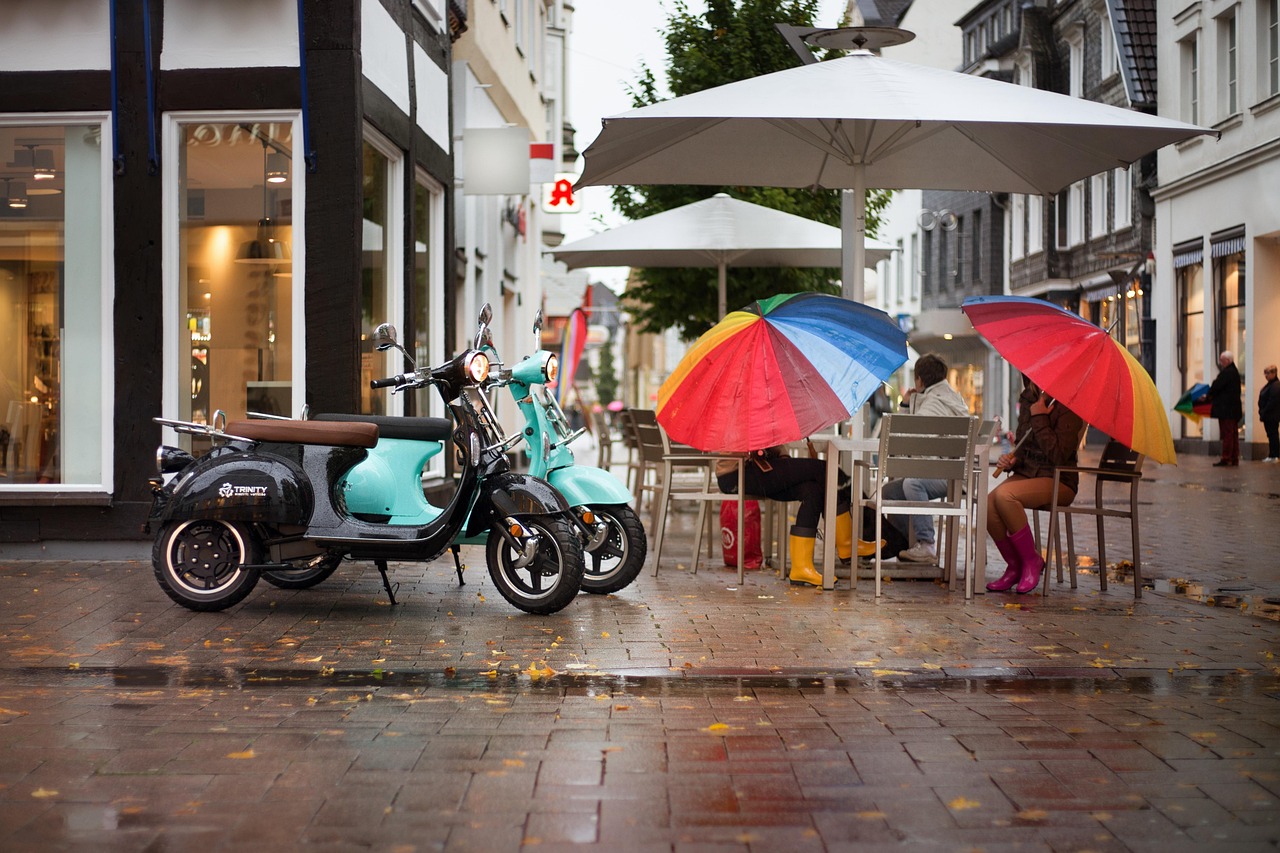
In a world defined by the relentless pursuit of “more”—more productivity, more notifications, and more speed—the concept of slow living has emerged as a necessary counterbalance. It is not merely about moving at a glacial pace; rather, it is a conscious decision to prioritize quality over quantity and presence over performance. By intentionally decoupling our self-worth from our output, we can reclaim our time and cultivate a life that feels as rich as it looks on the surface. Embracing a slower pace allows us to reconnect with our values, our surroundings, and ourselves, turning the mundane into the meaningful.
The Philosophy of Slow Living
Defining the Slow Movement
Slow living is a lifestyle movement that advocates for a more balanced approach to everyday life. Rooted in the “Slow Food” movement that began in Italy in the 1980s as a protest against fast food, the philosophy has expanded into areas like slow travel, slow fashion, and slow productivity. At its core, it is about intentionality.
- Focusing on the process rather than the destination.
- Making time for what truly matters to your personal well-being.
- Rejecting the cultural obsession with constant busyness.
Why We Need to Slow Down
Modern society is facing an epidemic of burnout. According to recent psychological studies, chronic stress and high-speed multitasking can impair cognitive function and decrease overall life satisfaction. Transitioning to a slower lifestyle provides significant benefits:
- Reduced cortisol levels: Lowering stress improves long-term health.
- Improved focus: Single-tasking allows for deeper, more meaningful work.
- Enhanced connections: Being present in conversations fosters stronger relationships.
Cultivating Mindful Daily Habits
Morning Rituals Without Screens
Most of us begin our days in a state of reactive stress, checking emails and social media before even getting out of bed. Reclaiming your morning is the first step in slow living.
- Delay checking your phone for at least 30 minutes after waking.
- Practice a simple breathing exercise or mindful stretching.
- Enjoy your coffee or tea without multitasking—simply sit and observe your environment.
The Practice of Single-Tasking
Multitasking is a myth that drains our mental energy. To practice slow living, shift your focus to doing one thing at a time. Whether you are washing dishes, writing a report, or having a conversation, dedicate your full attention to that specific task until it is completed or until a natural stopping point occurs.
Slowing Down Your Consumption
Embracing Minimalism
Slow living often goes hand-in-hand with minimalism. By reducing the number of physical possessions you own, you reduce the time and energy spent cleaning, organizing, and maintaining them. Ask yourself before every purchase: “Does this add true value to my life, or is it just clutter?”
Supporting Slow Fashion
The fashion industry is a major contributor to global waste. Slow fashion encourages consumers to buy fewer, higher-quality items that last for years.
- Invest in natural fibers and durable construction.
- Choose timeless styles over fleeting trends.
- Repair clothing instead of discarding it at the first sign of wear.
Finding Stillness in a Busy Schedule
The Importance of “Nothing Time”
In our hyper-productive culture, we often feel guilty when we aren’t “doing something.” However, stillness is where creativity and emotional regulation are born. Schedule blocks in your calendar for “nothing time”—periods where you have no obligations and no agenda.
- Sit in a park without a podcast or book.
- Spend time gardening or tending to indoor plants.
- Take a deliberate, aimless walk around your neighborhood.
Setting Boundaries with Technology
Technology is designed to keep us scrolling. To reclaim your time, you must set firm boundaries.
- Use app-blocking software to limit social media time.
- Establish “digital sunset” hours where all devices are powered down.
- Turn off non-essential notifications to prevent constant interruptions.
Conclusion
Slow living is not a rigid set of rules or a destination you reach; it is an ongoing practice of choosing yourself over the demands of the status quo. By making small, intentional changes—whether it is slowing down your commute, curating your possessions, or setting boundaries with technology—you can build a life that feels more sustainable and fulfilling. The path to a slower life starts with a single, conscious choice to pause. Start today by giving yourself permission to move at your own pace, and watch as the quality of your life begins to transform.