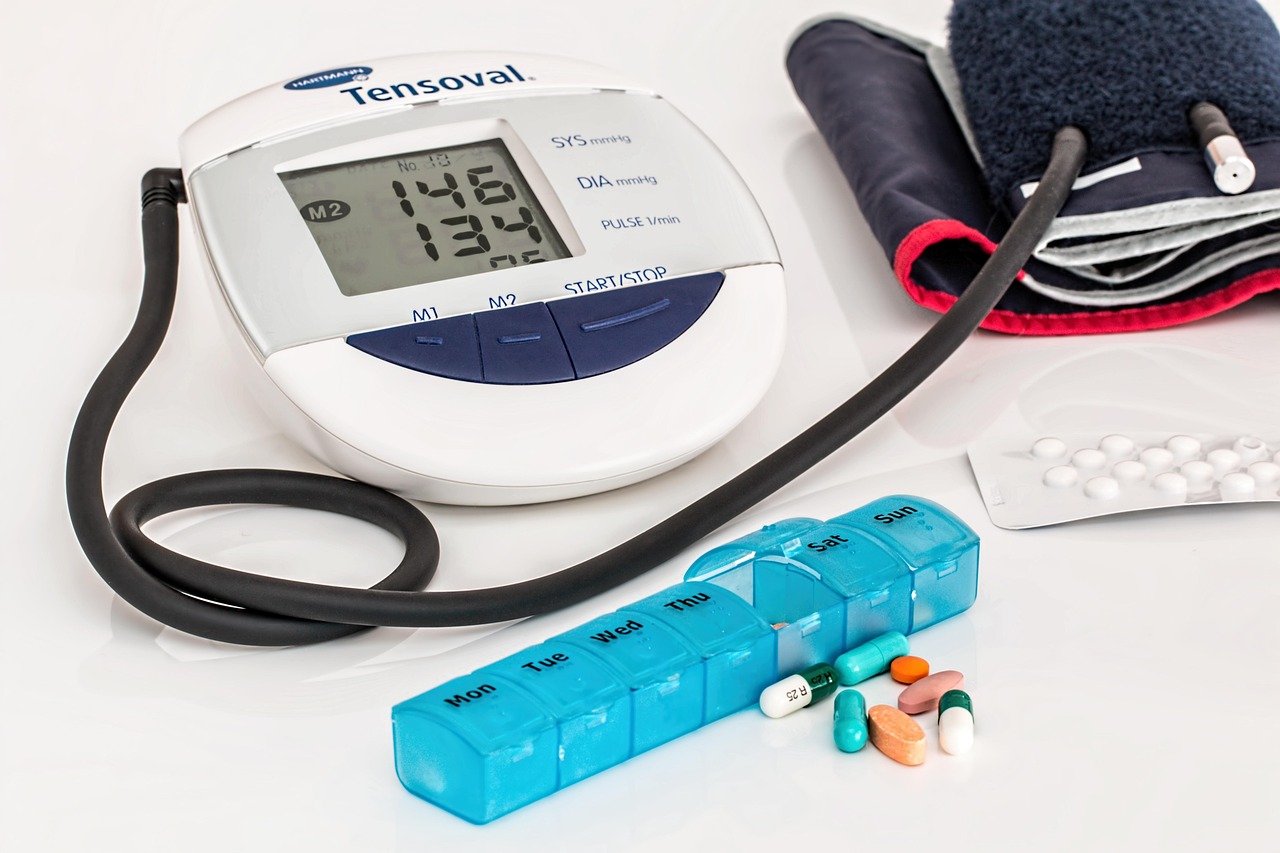
In today’s fast-paced world, feelings of worry and restlessness have become increasingly common. While anxiety is a natural human response to stress, chronic feelings of apprehension can significantly impact your quality of life, productivity, and physical well-being. According to the Anxiety and Depression Association of America, anxiety disorders are the most common mental illness in the U.S., affecting 40 million adults. Understanding how to manage these feelings is not just about finding temporary relief; it is about building a foundation of resilience to help you navigate life’s inevitable challenges with calm and clarity.
Understanding the Roots of Anxiety
Anxiety is more than just feeling stressed; it is a complex physiological and psychological reaction. Identifying the root causes is the first step toward effective management.
Recognizing Common Triggers
Triggers are highly individual, but they often stem from similar areas of life. Common sources of anxiety include:
- Workplace pressure: Tight deadlines, high expectations, or interpersonal conflicts.
- Life transitions: Moving, changing careers, or shifts in relationship status.
- Health concerns: Worrying about personal health or the health of loved ones.
- Financial instability: Concerns regarding debt, inflation, or long-term financial security.
The Body’s Stress Response
When you experience anxiety, your brain activates the “fight or flight” response, releasing hormones like cortisol and adrenaline. While this is helpful in dangerous situations, constant activation can lead to exhaustion. Key indicators of this response include:
- Increased heart rate and palpitations.
- Muscle tension, especially in the neck and shoulders.
- Difficulty concentrating or a “foggy” mind.
- Changes in sleep patterns or appetite.
Proven Mindfulness Techniques for Immediate Calm
When you are in the middle of an anxious moment, mindfulness can act as a circuit breaker, pulling your attention away from intrusive thoughts and back to the present.
The 5-4-3-2-1 Grounding Method
This sensory exercise is highly effective at stopping a spiral of panic. Try these steps during your next stressful moment:
- Identify 5 things you can see around you.
- Identify 4 things you can feel (like your feet on the floor or the fabric of your chair).
- Identify 3 things you can hear.
- Identify 2 things you can smell.
- Identify 1 thing you can taste.
Deep Breathing Exercises
Regulated breathing sends a signal to your parasympathetic nervous system to “rest and digest.” The Box Breathing technique is widely used by professionals and athletes to regain composure:
- Inhale through your nose for 4 seconds.
- Hold your breath for 4 seconds.
- Exhale slowly through your mouth for 4 seconds.
- Hold your lungs empty for 4 seconds.
Lifestyle Adjustments to Reduce Baseline Anxiety
Small, daily habits can drastically lower your overall baseline of anxiety. Consistency is far more important than intensity when it comes to long-term mental health.
Nutrition and Hydration
What you put into your body directly affects your neurotransmitters. To support a stable mood, consider the following:
- Limit Caffeine: Excessive caffeine can mimic or exacerbate symptoms of anxiety, such as rapid heartbeat and jitters.
- Stabilize Blood Sugar: Opt for complex carbohydrates and lean proteins to avoid the energy crashes that trigger irritability.
- Hydration: Even mild dehydration can increase cortisol levels.
The Importance of Physical Movement
Exercise is one of the most effective, yet underutilized, tools for anxiety relief. Physical activity burns off excess adrenaline and releases endorphins, the brain’s “feel-good” chemicals. Even a brisk 20-minute walk outside can provide a mental reset.
Building Cognitive Resilience
Anxiety often thrives on irrational fears and “what-if” scenarios. Developing cognitive strategies helps you challenge these thoughts before they take root.
Cognitive Reframing
Instead of viewing a situation as a threat, try to reframe it as a challenge. For example, instead of saying, “I’m going to fail at this presentation,” try telling yourself, “I am prepared, and this is an opportunity to share my expertise.”
Setting Healthy Boundaries
Over-commitment is a major driver of chronic anxiety. You can protect your mental space by:
- Learning to say “no” to non-essential tasks.
- Creating a “digital detox” period where you disconnect from emails and social media.
- Prioritizing tasks that align with your core values rather than your fears.
When to Seek Professional Support
Sometimes, self-help techniques are not enough. It is important to know when to reach out to a professional, such as a licensed therapist or counselor.
Recognizing the Signs You Need Help
If your anxiety is interfering with your daily life, it may be time to consult a doctor. Watch for these red flags:
- Anxiety that prevents you from going to work or school.
- Physical symptoms that persist despite lifestyle changes.
- Feeling a persistent sense of dread or hopelessness.
- Reliance on substances to “numb” the feeling.
Therapeutic Approaches
Professional therapy can provide structured relief. Cognitive Behavioral Therapy (CBT) is considered the gold standard for treating anxiety, as it helps you identify and change the negative patterns that contribute to your distress.
Conclusion
Managing anxiety is a journey, not a destination. By combining grounding mindfulness techniques, sustainable lifestyle changes, and a willingness to challenge negative thought patterns, you can take control of your mental health. Remember that progress isn’t always linear; be patient with yourself during the process. If you find your anxiety remains overwhelming, don’t hesitate to seek support from a healthcare professional. You deserve to live a life defined by peace and confidence rather than worry.