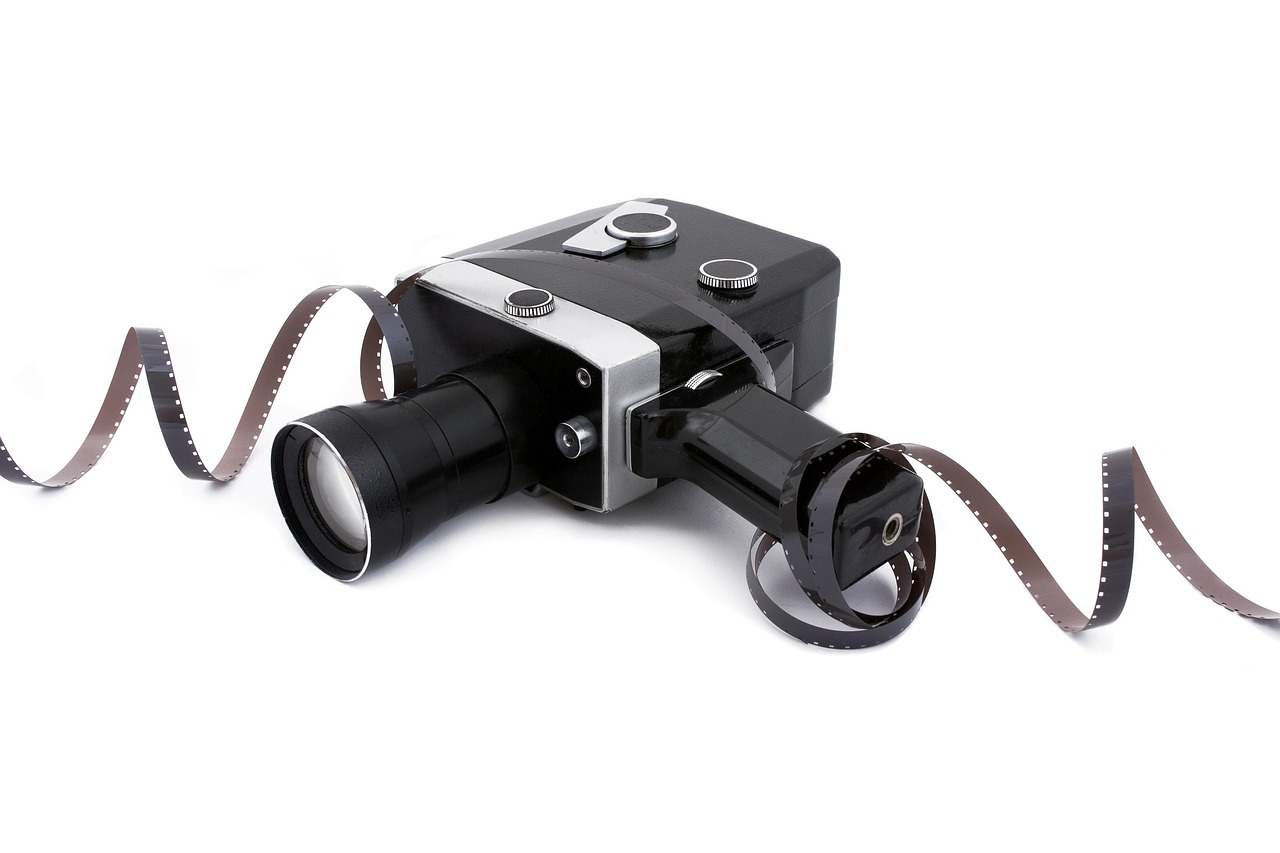
In an era dominated by high-budget blockbusters and sprawling cinematic universes, indie films stand as a vital creative sanctuary for original storytelling. Independent cinema—defined by films produced outside the major studio system—is where filmmakers take the risks that Hollywood often avoids. These projects are frequently driven by raw passion, unique perspectives, and a commitment to artistic integrity, offering audiences a refreshing alternative to franchise-heavy slates. Whether you are a budding cinephile or a seasoned critic, understanding the nuances of the indie film industry reveals why these stories are the lifeblood of modern cinema.
The Essence of Independent Filmmaking
Defining the Indie Spirit
At its core, an indie film is categorized by its independence from the “Big Five” studios. This independence allows directors to explore unconventional narratives, experimental cinematography, and diverse themes that might not pass through a corporate focus group. The primary goal is artistic expression rather than mass-market profitability.
Why Indie Films Matter
Indie films act as the industry’s laboratory. Many of the techniques and narrative structures popularized in mainstream cinema today originated in low-budget indie projects. Key benefits of supporting the independent scene include:
- Authenticity: Stories that feel deeply personal and relatable.
- Innovation: A willingness to experiment with genre and non-linear storytelling.
- Diversity: A platform for underrepresented voices and perspectives that studios frequently overlook.
Budgeting and Resourcefulness in Indie Cinema
The “Less is More” Philosophy
While studio blockbusters often exceed $200 million, the average indie film operates on a fraction of that budget. This financial constraint is not just a hurdle; it is a catalyst for creativity. Filmmakers often rely on guerilla filmmaking techniques to capture high-quality results without the luxury of massive set builds or A-list vanity trailers.
Practical Examples of Resourcefulness
Many legendary directors started with shoestring budgets that demanded ingenuity. Notable examples include:
- Robert Rodriguez’s El Mariachi: Made for roughly $7,000, this film became a cult classic by utilizing clever camera angles and real-world locations.
- The Blair Witch Project: By focusing on found-footage horror, the production turned a $60,000 budget into one of the most profitable films in history.
Navigating the Indie Distribution Landscape
From Film Festivals to Streaming Platforms
Distribution is the most significant challenge for any independent project. Traditionally, filmmakers relied on prestigious festivals like Sundance, SXSW, or Cannes to catch the eye of distributors. However, the rise of digital platforms has changed the game significantly.
Actionable Distribution Strategies
- Targeted Festivals: Focus on festivals that match your film’s genre to build buzz.
- VOD & Streaming: Utilize platforms like Vimeo On Demand, Seed&Spark, or niche aggregators to reach your specific audience.
- Community Building: Use social media to cultivate a grassroots following that will support your release.
The Role of Technology in Modern Indie Production
Democratizing Filmmaking
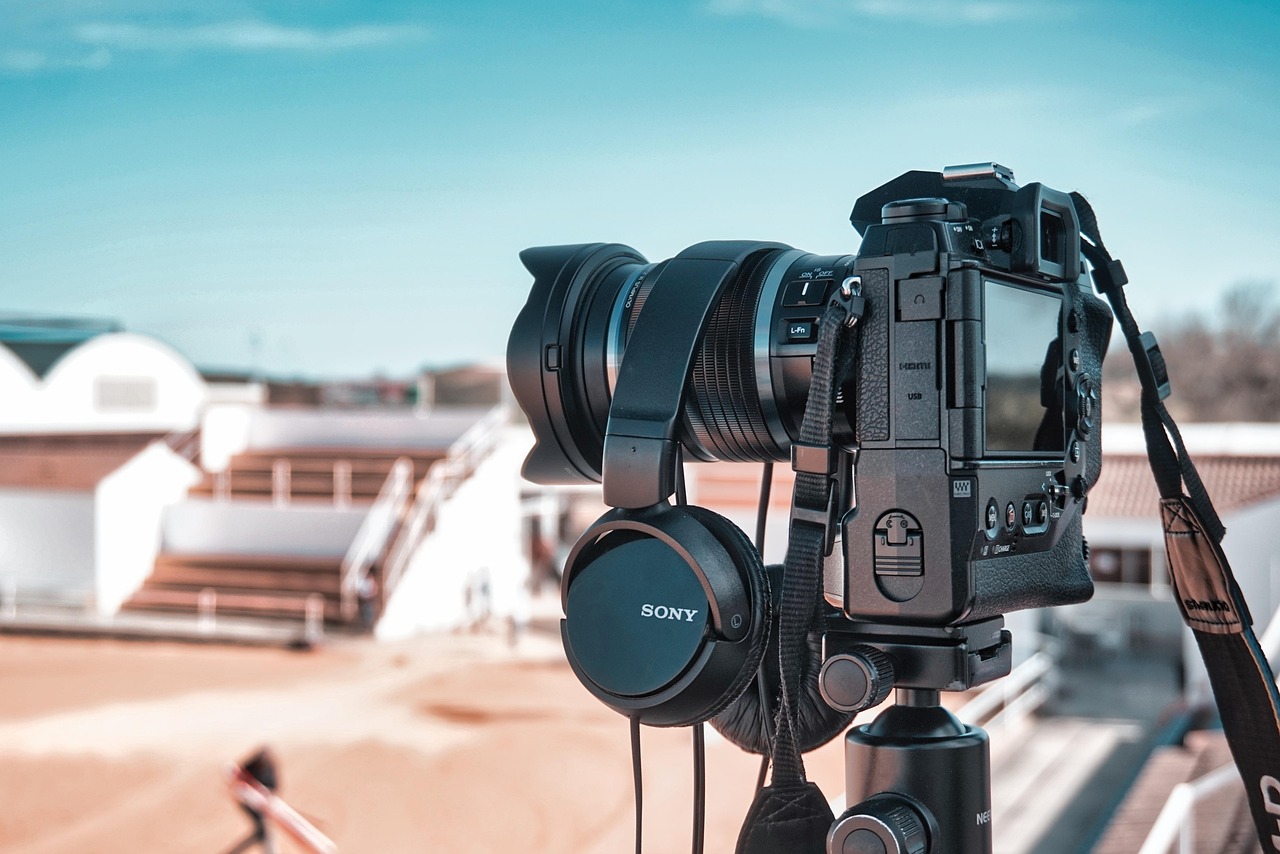
Technological advancements have lowered the barrier to entry for aspiring directors. Today, a 4K camera and professional-grade editing software—like DaVinci Resolve or Adobe Premiere—can be accessed at a price point that was unthinkable two decades ago.
Key Tools for Independent Creators
- High-Quality Digital Cinema Cameras: Compact options from Blackmagic Design or Sony that offer cinema-grade dynamic range.
- Crowdfunding Platforms: Websites like Kickstarter or Indiegogo allow filmmakers to secure funding directly from their audience.
- Cloud-Based Collaboration: Tools that allow teams to edit and color-grade remotely, reducing travel costs.
How to Discover Your Next Favorite Indie Film
Curated Recommendations
If you are looking to dive deeper into the world of independent film, it can be overwhelming to know where to start. Rather than relying on popular algorithm-based suggestions, try these methods to discover hidden gems:
- Follow Indie-Focused Outlets: Websites like IndieWire and The Film Stage offer excellent coverage of upcoming releases.
- Subscribe to Niche Streaming Services: Platforms such as MUBI, Criterion Channel, and Kanopy offer curated selections that prioritize quality over quantity.
- Support Local Art House Cinemas: Visiting independent theaters is the most direct way to support the craft and engage with film culture in your community.
Conclusion
Indie films are far more than just “small movies.” They are essential cultural artifacts that challenge our perceptions, push the boundaries of technology, and introduce us to voices that demand to be heard. Whether through a shoestring budget or a bold, avant-garde vision, independent filmmakers continue to shape the future of the medium. By actively seeking out these stories, you are not just watching a film; you are supporting the democratization of art and ensuring that cinema remains a vibrant, diverse, and boundary-pushing landscape for generations to come.