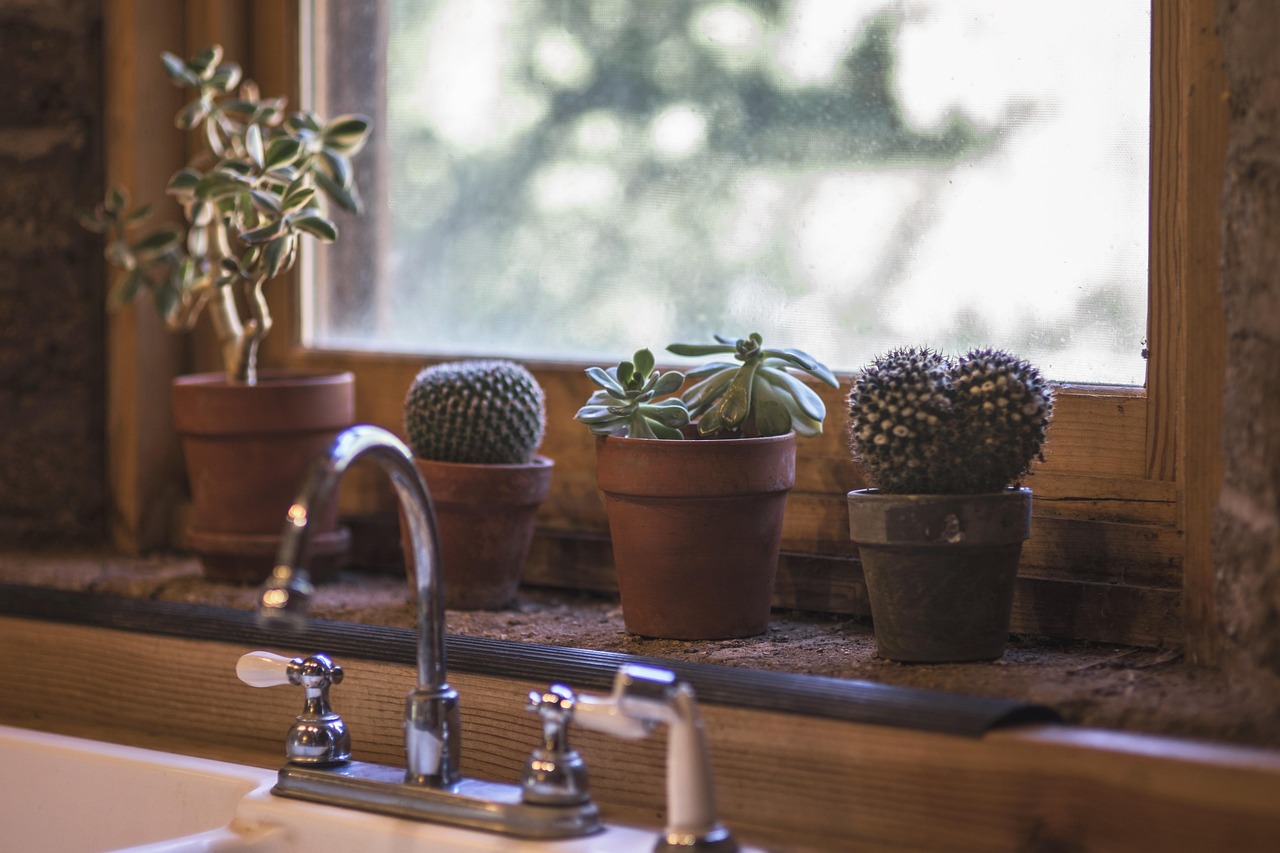
In a world defined by constant consumption and the relentless pursuit of “more,” minimalism offers a refreshing alternative: the intentional promotion of the things we value most by removing everything that distracts us from them. It is not merely about living in a stark, empty room; it is about reclaiming your time, energy, and financial freedom. By shifting the focus from accumulation to experience, minimalism serves as a powerful antidote to modern overwhelm, helping you design a life of purpose and clarity.
The Philosophy and Core Principles of Minimalism
Defining Intentional Living
Minimalism is fundamentally a tool to help you find freedom. It is the practice of identifying what is essential and eliminating the rest. Whether it is your physical belongings, your digital space, or your commitments, minimalism encourages you to ask: “Does this add value to my life?”
The Benefits of a Minimalist Lifestyle
Adopting a minimalist mindset provides tangible improvements to your daily well-being. Consider these primary benefits:
- Reduced Stress: A cluttered space often leads to a cluttered mind. Clearing physical items lowers visual noise and anxiety levels.
- Financial Freedom: By curbing impulsive spending, you free up capital for savings, investments, or meaningful life experiences.
- Increased Focus: With fewer distractions, your brain can dedicate more cognitive resources to high-priority goals and creative work.
- Environmental Impact: Consuming less reduces your personal carbon footprint and contributes to a more sustainable planet.
Decluttering Your Physical Environment
The Art of Tidying Up
Starting the decluttering process can be overwhelming. The best approach is to categorize rather than room-by-room, ensuring you see the full extent of what you own. Utilize the “One-In, One-Out” rule: for every new item you bring into your home, one item must be donated or recycled.
Practical Steps for Success
Follow this systematic process to clear your living space:
- Start Small: Begin with a single drawer or your junk drawer to build momentum without feeling defeated.
- The Sorting Method: Create three piles: Keep, Donate, and Toss. Be ruthless with the “Toss” and “Donate” categories.
- Storage Solutions: Once you have purged the unnecessary, invest in aesthetic, functional storage that keeps your remaining items organized.
Cultivating a Minimalist Mindset
The Psychology of Less
Research suggests that the “hedonic treadmill”—the tendency to return to a baseline level of happiness despite positive or negative events—means that buying new things provides only a temporary spike in joy. Minimalism helps you step off this treadmill by finding contentment in sufficiency.
Actionable Mindfulness Exercises
- Gratitude Journaling: Focus on what you already possess to combat the feeling of “lacking.”
- Digital Minimalism: Practice a “digital Sabbath” by turning off non-essential notifications or deleting unused apps to reduce screen time.
- Essentialism: Learn to say “no” to social obligations or projects that do not align with your core values.
Financial Minimalism and Conscious Consumption
Breaking the Cycle of Consumerism
Minimalism is inherently tied to personal finance. When you stop chasing the latest trends, you break the cycle of lifestyle inflation. Data from various financial studies suggests that individuals who practice intentional spending save an average of 15–25% more of their income compared to impulsive shoppers.
Tips for Intentional Spending
- The 30-Day Rule: If you see a non-essential item you want, wait 30 days. If you still want it after a month, consider the purchase.
- Quality over Quantity: Invest in high-quality, durable items that will last for years, rather than cheap, disposable alternatives.
- Value-Based Budgeting: Align your spending habits with your deepest personal goals rather than societal expectations.
Sustaining the Minimalist Journey
Overcoming Challenges
Maintaining a minimalist lifestyle is a marathon, not a sprint. You may face “clutter creep” or pressure from family members who do not share your philosophy. The key is to communicate that your choices are about your own well-being, not a judgment on theirs.
Long-term Habits
To ensure your minimalist lifestyle sticks, integrate these habits:
- Regular Maintenance: Dedicate 15 minutes each week to “reset” your living space.
- Curated Collections: Instead of collecting generic items, curate a space that reflects your specific passions and history.
- Focus on Experiences: Prioritize budgeting for travel, learning, or community engagement over material goods.
Conclusion
Minimalism is not about deprivation; it is about making space for what truly matters. By intentionally removing the physical and mental clutter that holds you back, you create room for growth, creativity, and deep connection. Whether you start by donating a box of clothes or by auditing your digital subscriptions, the journey toward minimalism begins with a single, conscious choice. Embrace the freedom that comes with less, and watch as your life becomes significantly more meaningful.