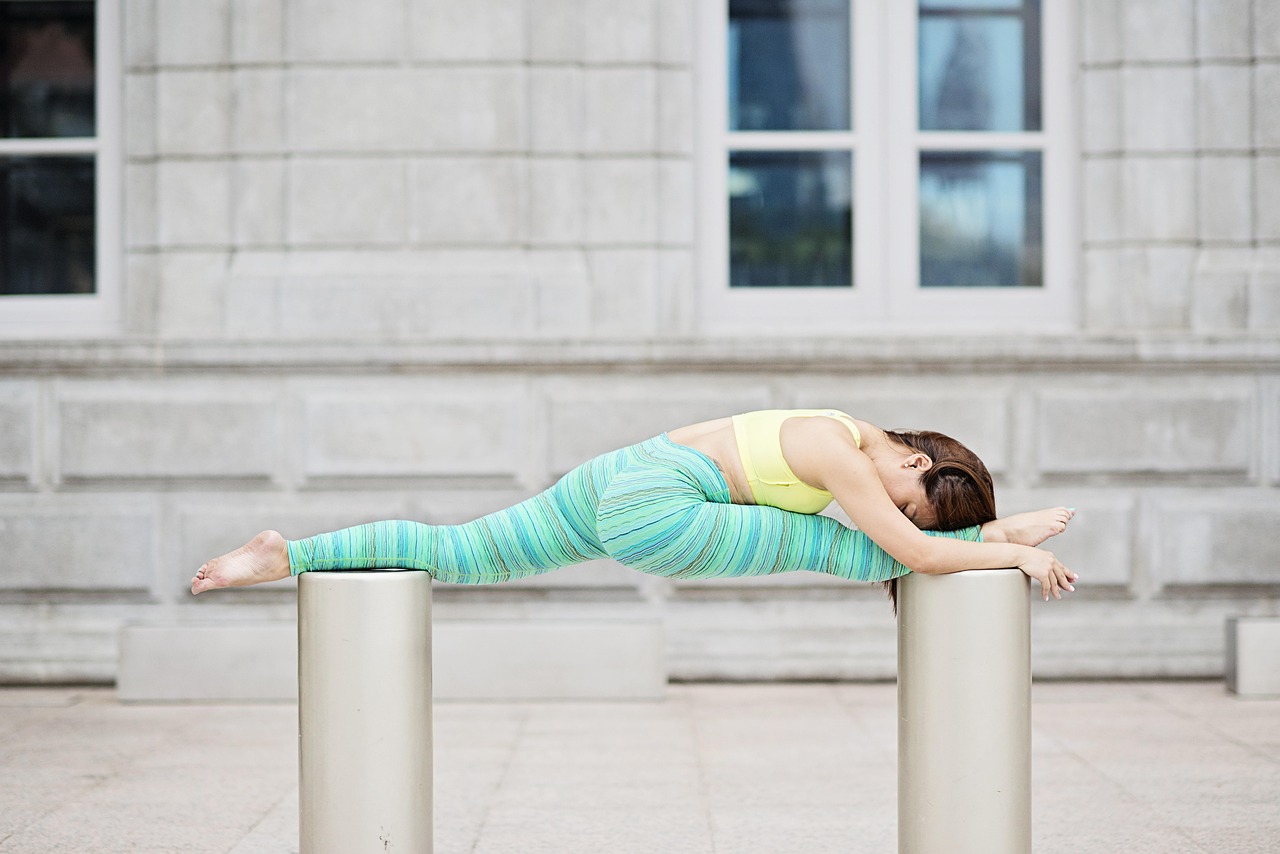
In today’s fast-paced world, finding a moment of genuine stillness can feel like an impossible task. Yoga, an ancient practice that originated in India over 5,000 years ago, has evolved into a global phenomenon, helping millions of people bridge the gap between physical fitness and mental clarity. Whether you are seeking to build functional strength, manage chronic stress, or simply find a more flexible way to move your body, yoga offers a customizable path for every individual regardless of age or fitness level.
Understanding the Core Pillars of Yoga
The Connection Between Breath and Movement
At the heart of every yoga practice is Pranayama, or the regulation of breath. Unlike traditional weightlifting where breathing is secondary, yoga uses the breath as a guide for movement. By syncing inhalation and exhalation with specific postures, you create a rhythmic flow that calms the nervous system.
- Ujjayi Breath: Often called “ocean breath,” this technique involves narrowing the throat to create a soothing sound, which helps maintain focus during intense sessions.
- Actionable Tip: Before your next practice, spend three minutes in a seated position focusing entirely on deep, diaphragmatic breathing to center your mind.
Physical Alignment and Safety
Yoga is not about performing complex acrobatics; it is about proper alignment. Proper positioning prevents injury and ensures that the intended muscle groups are effectively engaged.
- Keep your core engaged in standing poses to protect your lower back.
- Distribute weight evenly across all fingers and toes during weight-bearing poses like Downward-Facing Dog.
The Physical and Mental Health Benefits
Improving Flexibility and Mobility
A study published by the International Journal of Yoga indicates that consistent practice significantly improves joint range of motion. Unlike static stretching, yoga moves the body through various planes of motion.
- Increased Range: Regular practice helps release tension in tight areas like the hamstrings, hips, and shoulders.
- Functional Movement: Improved mobility translates to easier movement in daily activities, such as reaching for objects or lifting heavy grocery bags.
Managing Stress and Anxiety
Yoga acts as a natural antidote to the “fight or flight” response triggered by modern stressors. By activating the parasympathetic nervous system, yoga helps lower cortisol levels.
Practical Example: Incorporating “Child’s Pose” (Balasana) into your daily routine for just two minutes can help reset your mental state after a high-pressure meeting.
Choosing the Right Style for Your Goals
Energizing and Active Styles
If your goal is to build cardiovascular health and heat, look toward active styles:
- Vinyasa: Characterized by fluid, dance-like transitions between poses.
- Ashtanga: A rigorous, structured sequence that builds immense strength and discipline.
Restorative and Healing Styles
For those recovering from injury or dealing with burnout, slower styles provide necessary recovery:
- Hatha: A slower-paced approach ideal for beginners to learn foundational postures.
- Yin Yoga: Involves holding passive poses for 3–5 minutes to target deep connective tissues and fascia.
How to Start Your Personal Yoga Journey
Creating a Sustainable Home Practice
You don’t need a fancy studio membership to reap the rewards of yoga. Consistency is far more effective than duration.
- Set a Realistic Schedule: Aim for 15 minutes a day rather than one 90-minute session once a week.
- Designate a Space: Even a small corner of your living room can serve as a sanctuary. Clear the clutter to help clear your mind.
- Use Digital Resources: Utilize reputable online platforms to follow guided flows that match your experience level.
Essential Gear for Beginners
Keep it simple when you first start. You only need a few basics:
- A non-slip, high-density yoga mat.
- Two blocks for stability in standing poses.
- A comfortable strap to help bridge the gap in deep stretches.
Conclusion
Yoga is far more than a trend; it is a life-long discipline that rewards patience, consistency, and curiosity. By integrating the pillars of breath control, mindful movement, and intentional stillness, you can transform both your physical body and your mental well-being. Whether you are looking to touch your toes for the first time or seeking a sanctuary from the chaos of modern life, your journey begins on the mat. Remember, the goal of yoga is not perfection, but progress. Start small, listen to your body, and enjoy the transformative journey toward a healthier, more balanced self.