In our fast-paced modern world, stress has become an almost constant companion. While we often look for external solutions to manage anxiety and fatigue, one of the most powerful tools for well-being is already within us: our breath. The way we breathe directly influences our nervous system, heart rate, and even our cognitive function. By incorporating intentional breathing exercises into your daily routine, you can shift from a state of “fight or flight” to “rest and digest,” unlocking a simple, accessible path to mental clarity and physical relaxation.
The Science of Conscious Breathing
Breathing is the only autonomic bodily function that we can consciously control. When we are stressed, we tend to take shallow, rapid breaths, which signals to the brain that we are in danger. By slowing down our respiration, we send a physical cue to the brain to down-regulate the stress response.
The Autonomic Nervous System Connection
Your nervous system consists of two primary branches: the sympathetic (stress) and the parasympathetic (calm). Intentional breathing stimulates the vagus nerve, which acts as the “brake pedal” for the body’s stress response.
Key Physiological Benefits
- Reduced Cortisol Levels: Deep breathing has been shown to lower the body’s primary stress hormone.
- Improved Heart Rate Variability (HRV): A higher HRV is a strong indicator of cardiovascular health and resilience to stress.
- Enhanced Oxygen Exchange: Diaphragmatic breathing allows for more efficient carbon dioxide expulsion and oxygen intake.
Preparation and Best Practices
Before beginning any breathing practice, it is important to create an environment conducive to relaxation. You don’t need a meditation studio; a quiet corner will suffice.
Setting the Stage
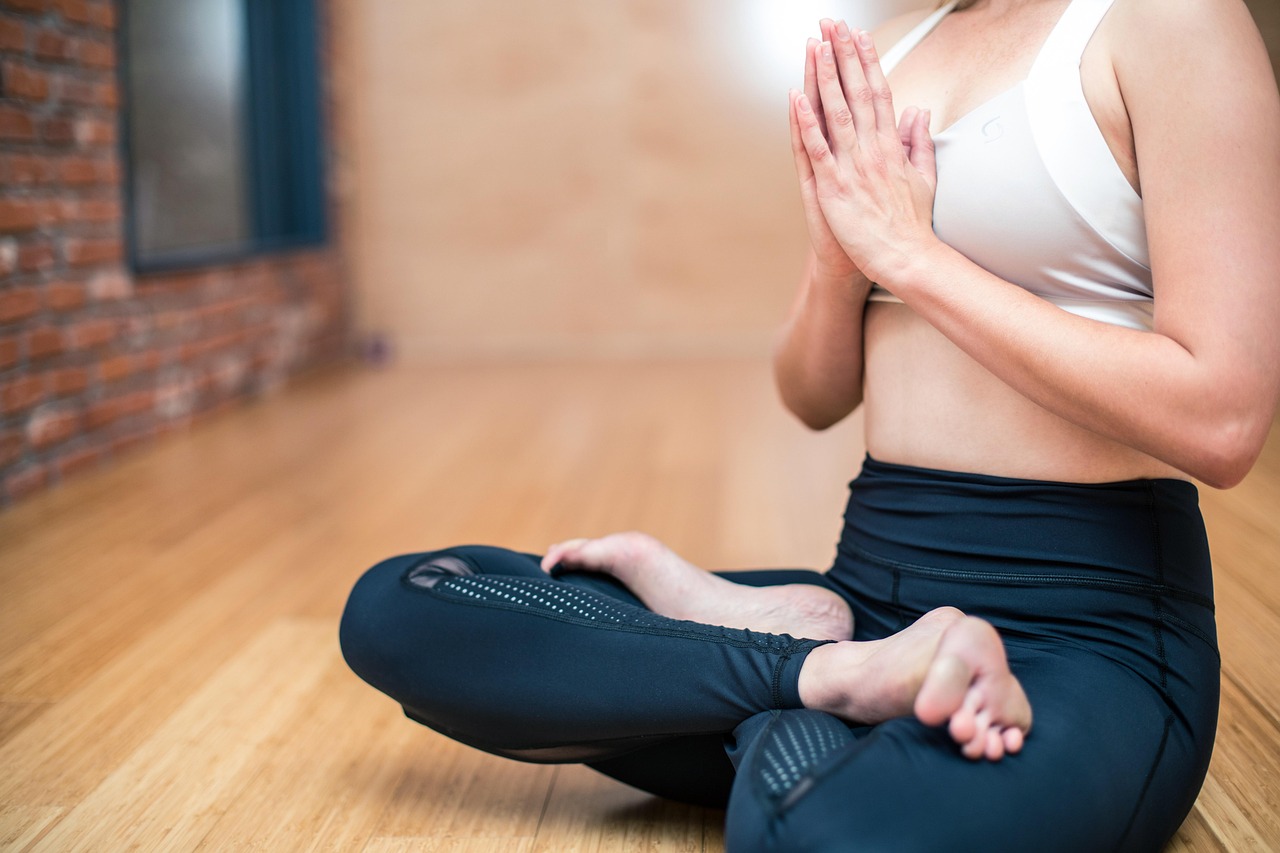
- Find a Comfortable Posture: Sit upright with your spine lengthened, or lie flat on your back to allow the diaphragm to move freely.
- Minimize Distractions: Turn off phone notifications for five minutes to ensure you can focus on your breath.
- Consistency Over Duration: Practicing for five minutes daily is significantly more effective than practicing for an hour once a week.
The Importance of Diaphragmatic Breathing
Often referred to as “belly breathing,” this involves engaging the diaphragm rather than the chest. To practice, place one hand on your chest and one on your belly. Aim to move only the hand on your belly as you inhale deeply through your nose.
Four Powerful Breathing Techniques
Different exercises serve different purposes, whether you are trying to energize your body or calm a racing mind before a presentation.
1. Box Breathing (Tactical Breathing)
Used by Navy SEALs to maintain focus under pressure, this technique balances the nervous system.
- Inhale for a count of 4.
- Hold your breath for 4.
- Exhale for 4.
- Hold your breath empty for 4.
2. The 4-7-8 Technique
Ideal for those struggling with sleep or acute anxiety, this method acts as a natural tranquilizer for the nervous system.
- Inhale quietly through the nose for 4 seconds.
- Hold the breath for 7 seconds.
- Exhale forcefully through the mouth, making a “whoosh” sound, for 8 seconds.
3. Alternate Nostril Breathing (Nadi Shodhana)
This yogic practice is excellent for clearing the mind and balancing the left and right hemispheres of the brain.
4. Pursed Lip Breathing
Frequently recommended for those with respiratory issues, this technique helps keep airways open longer, making it easier to breathe.
Integrating Breathwork into Your Daily Routine
The greatest barrier to habit formation is complexity. Integrating these practices into existing behaviors makes them more sustainable.
Morning Rituals
Start your day with two minutes of Box Breathing before checking your emails. This sets a calm, intentional tone for the hours ahead.
Mid-Day Reset
Use your commute or a scheduled break to practice deep abdominal breathing. If you work at a desk, use the time you spend waiting for a document to download or a meeting to start as a “breath break.”
Pre-Sleep Wind Down
Practice the 4-7-8 technique while in bed. Focus entirely on the counting; if your mind wanders, gently return your focus to the rhythm of the numbers.
Conclusion
Breathing exercises are more than just a temporary relaxation fix; they are a foundational pillar of long-term health and emotional regulation. By dedicating just a few minutes each day to these practices, you can improve your heart health, reduce cortisol, and gain mastery over your own physiological state. Start with one technique that resonates with you, practice it consistently for a week, and observe how your relationship with stress begins to transform. Your breath is your most portable, accessible, and potent tool—start using it to your advantage today.