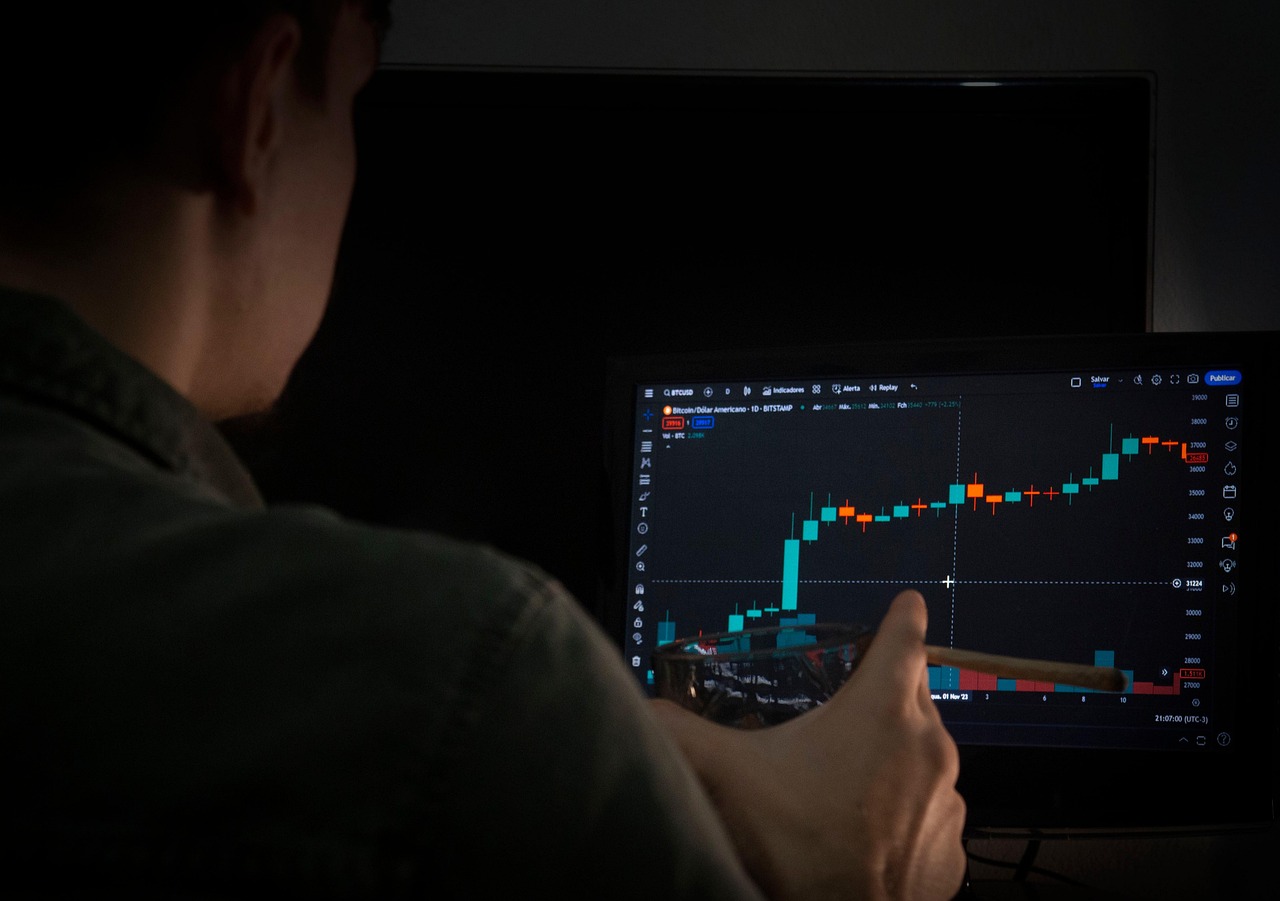
Day trading: The allure of fast profits, the thrill of split-second decisions, and the potential for substantial losses. It’s a high-stakes game that attracts aspiring investors from all walks of life. But is it a viable path to financial freedom, or a quick route to emptying your bank account? This comprehensive guide dives deep into the world of day trading, examining its intricacies, risks, and potential rewards, to help you determine if it’s the right strategy for you.
What is Day Trading?
Day trading is a trading style where financial instruments, like stocks, currencies, or futures contracts, are bought and sold within the same trading day. Positions are closed before the market closes to avoid overnight risks. The goal is to profit from small price fluctuations that occur throughout the day.
The Core Principles of Day Trading
- Short-Term Focus: Day traders are not interested in long-term investments. Their strategies are designed to capitalize on intraday price movements.
- Leverage: Day traders often utilize leverage (borrowed capital) to amplify potential profits, but this also significantly increases the risk of losses.
- Technical Analysis: They rely heavily on technical analysis, which involves studying price charts and using indicators to predict future price movements.
- High Volume: Day trading requires a high volume of trades to generate substantial profits from small price changes.
- Discipline: Strict discipline and adherence to a well-defined trading plan are crucial for success.
Day Trading vs. Swing Trading
While both day trading and swing trading involve short-term strategies, they differ in their time horizons. Day traders close their positions within the same day, whereas swing traders hold positions for several days or even weeks, aiming to capture larger price swings. Swing trading typically involves less leverage and a lower frequency of trades compared to day trading.
- Example:
- Day Trade: Buying 100 shares of XYZ stock at $50.00 and selling them at $50.20 within the same day, making a $20 profit (minus commissions).
- Swing Trade: Buying 100 shares of XYZ stock at $50.00 and holding them for five days, selling at $52.00, making a $200 profit (minus commissions).
Essential Tools and Resources for Day Traders
Success in day trading depends not only on strategy but also on having access to the right tools and resources.
Trading Platform
A reliable and efficient trading platform is paramount. Key features to look for include:
- Real-time Data: Accurate and up-to-the-second market data is critical for making informed decisions.
- Advanced Charting Tools: These are necessary for technical analysis and identifying trading opportunities.
- Direct Market Access (DMA): DMA allows traders to bypass intermediaries and directly access the order books of exchanges, offering faster execution speeds.
- Order Types: Access to a variety of order types, such as limit orders, stop-loss orders, and market orders, is essential for managing risk.
- Commission Rates: Low commission rates are vital, as frequent trading can quickly erode profits.
- Example: Popular platforms include Thinkorswim by TD Ameritrade, Interactive Brokers, and Webull. Consider platforms that offer paper trading accounts so you can practice your strategies.
Data Feeds
High-quality data feeds provide real-time price quotes, news, and other market information. These are usually subscription-based services.
News and Research
Staying informed about market news, economic data releases, and company-specific information is crucial. Reputable sources include:
- Financial News Websites: Bloomberg, Reuters, CNBC, MarketWatch
- Economic Calendars: Forex Factory, Investing.com
- Analyst Reports: Provided by brokerage firms and research institutions
Education and Training
Continuous learning is essential in the ever-evolving world of day trading. Consider:
- Online Courses: Platforms like Udemy, Coursera, and Investopedia offer courses on day trading strategies and techniques.
- Mentorship: Learning from experienced traders can provide valuable insights and guidance.
- Books: Numerous books are available on topics such as technical analysis, risk management, and trading psychology.
Common Day Trading Strategies
Day trading involves employing various strategies to identify and capitalize on short-term price movements.
Scalping
Scalping is a strategy that involves making numerous small profits from tiny price changes. Scalpers typically hold positions for only a few seconds or minutes.
- Key Features: High frequency of trades, small profit targets, strict stop-loss orders.
- Suitable Markets: Highly liquid markets with tight spreads.
- Example: Buying 1000 shares of a stock and selling them for a one-cent profit, repeated hundreds of times per day.
Momentum Trading
Momentum traders aim to profit from stocks that are experiencing significant price momentum in either direction.
- Key Features: Identifying stocks with high trading volume and strong price trends.
- Entry Signals: Breakouts above resistance levels or breakdowns below support levels.
- Exit Signals: When the momentum begins to fade.
- Example: A news event causes a stock to gap up at the open. A momentum trader buys the stock expecting it to continue rising throughout the day.
Breakout Trading
Breakout traders look for stocks that are breaking above established resistance levels or below support levels.
- Key Features: Identifying levels of support and resistance, monitoring volume and price action.
- Entry Signals: A confirmed break above resistance or below support.
- Risk Management: Setting stop-loss orders just below the breakout level.
- Example: A stock trades between $48 and $50 for several days, establishing a resistance level at $50. A breakout trader buys the stock when it breaks above $50.
Reversal Trading
Reversal traders attempt to profit from stocks that are reversing their price trends.
- Key Features: Identifying potential reversal patterns, such as head and shoulders or double tops.
- Entry Signals: Confirmation of the reversal pattern.
- Risk Management: Setting stop-loss orders near the high or low of the reversal pattern.
- Example: A stock that has been trending downwards starts to show signs of a potential reversal. The trader buys the stock, anticipating a move higher.
Risk Management in Day Trading
Risk management is arguably the most critical aspect of day trading. Without proper risk control, even the best strategies can lead to substantial losses.
Setting Stop-Loss Orders
Stop-loss orders automatically close a trade when the price reaches a predetermined level, limiting potential losses.
- Importance: Stop-loss orders are essential for protecting capital and preventing catastrophic losses.
- Placement: Stop-loss orders should be placed based on technical levels, such as support and resistance, or a percentage of the entry price.
- Example: If you buy a stock at $50.00, you might set a stop-loss order at $49.50, limiting your potential loss to $0.50 per share.
Position Sizing
Position sizing refers to determining the appropriate amount of capital to allocate to each trade.
- The 1% Rule: A common guideline is to risk no more than 1% of your total trading capital on any single trade.
- Calculating Position Size: Divide your risk tolerance (e.g., 1% of capital) by the distance between your entry price and your stop-loss price.
- Example: If you have $10,000 in trading capital and you are willing to risk 1% ($100) on a trade with a $0.50 stop-loss, you can buy 200 shares ($100 / $0.50 = 200).
Managing Leverage
Leverage can amplify both profits and losses. It’s crucial to use leverage responsibly.
- Understanding Margin Requirements: Familiarize yourself with the margin requirements of your broker.
- Avoiding Over-Leveraging: Over-leveraging can quickly lead to margin calls and substantial losses.
- Conservative Approach: Start with low leverage and gradually increase it as your experience and confidence grow.
Maintaining a Trading Journal
Keeping a detailed trading journal allows you to track your trades, identify patterns, and learn from your mistakes.
- Record Trade Details: Entry price, exit price, time of trade, strategy used, reason for entry, emotions experienced.
- Analyze Performance: Regularly review your journal to identify strengths and weaknesses in your trading.
- Identify Recurring Mistakes: Recognizing and addressing recurring mistakes is crucial for improving your trading performance.
The Psychological Aspects of Day Trading
Day trading is a highly emotional endeavor. Managing your emotions is just as important as having a sound trading strategy.
Emotional Discipline
- Controlling Fear and Greed: Fear can lead to premature exits, while greed can lead to holding losing positions for too long.
- Avoiding Revenge Trading: After a losing trade, it’s tempting to immediately try to recover your losses. This often leads to impulsive decisions and further losses.
Patience
- Waiting for the Right Opportunities: Don’t force trades. Wait for setups that meet your criteria.
- Avoiding Over-Trading: Excessive trading can lead to fatigue, poor decision-making, and increased transaction costs.
Realistic Expectations
- Understanding the Odds: Day trading is a challenging and competitive activity. Most day traders lose money.
- Focusing on the Process: Instead of fixating on profits, focus on executing your trading plan consistently.
- Actionable Takeaway:* Practice mindfulness and meditation to improve your emotional control.
Conclusion
Day trading presents a unique opportunity to profit from short-term market movements. However, it demands a significant commitment of time, resources, and discipline. Before embarking on this journey, carefully assess your risk tolerance, financial resources, and psychological preparedness. Thoroughly educate yourself, develop a well-defined trading plan, and consistently practice risk management techniques. Remember, success in day trading is not guaranteed and requires continuous learning and adaptation. Approach it with caution, realistic expectations, and a commitment to lifelong learning, and you’ll be better positioned to navigate the challenges and potentially reap the rewards.