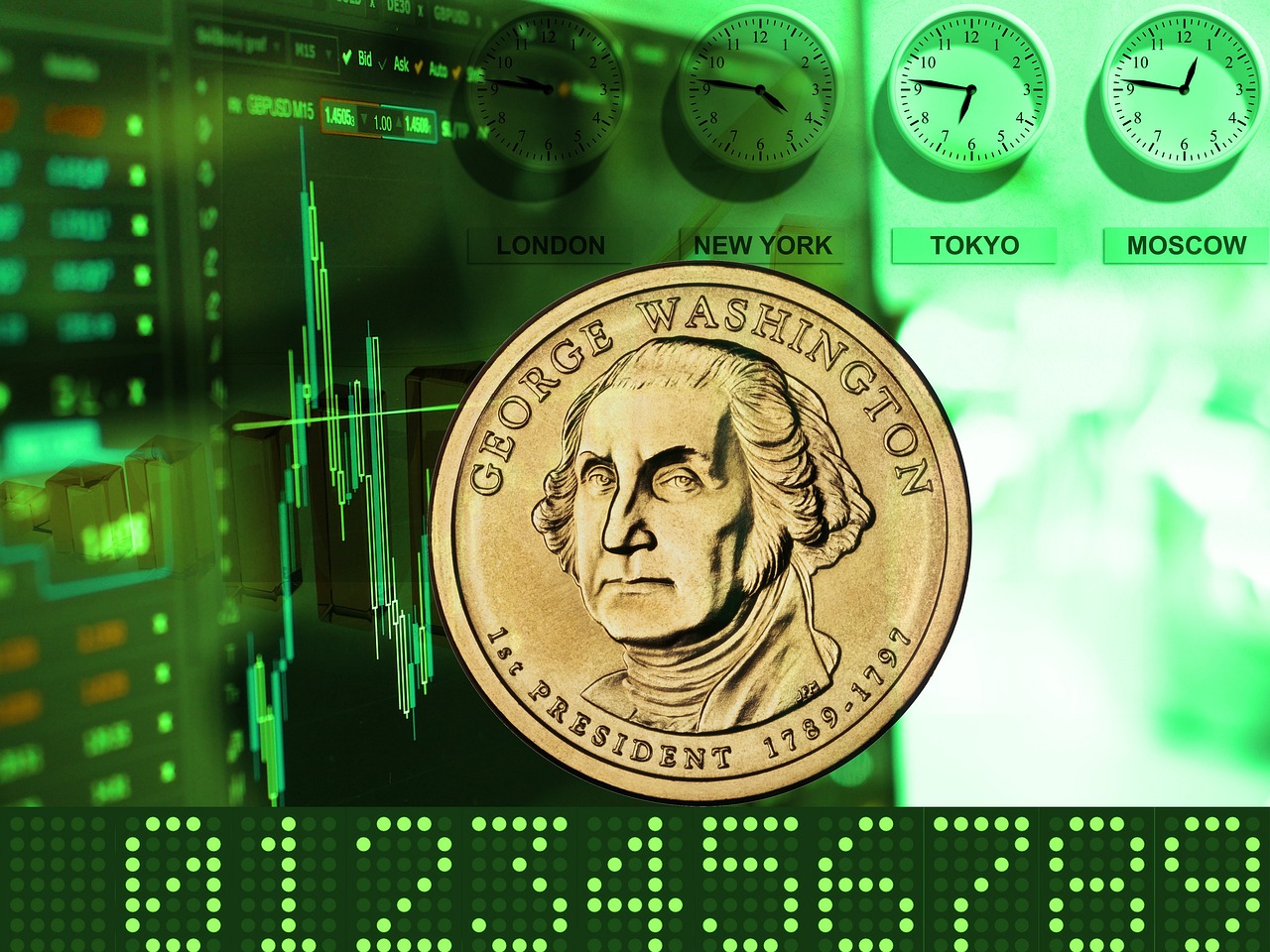
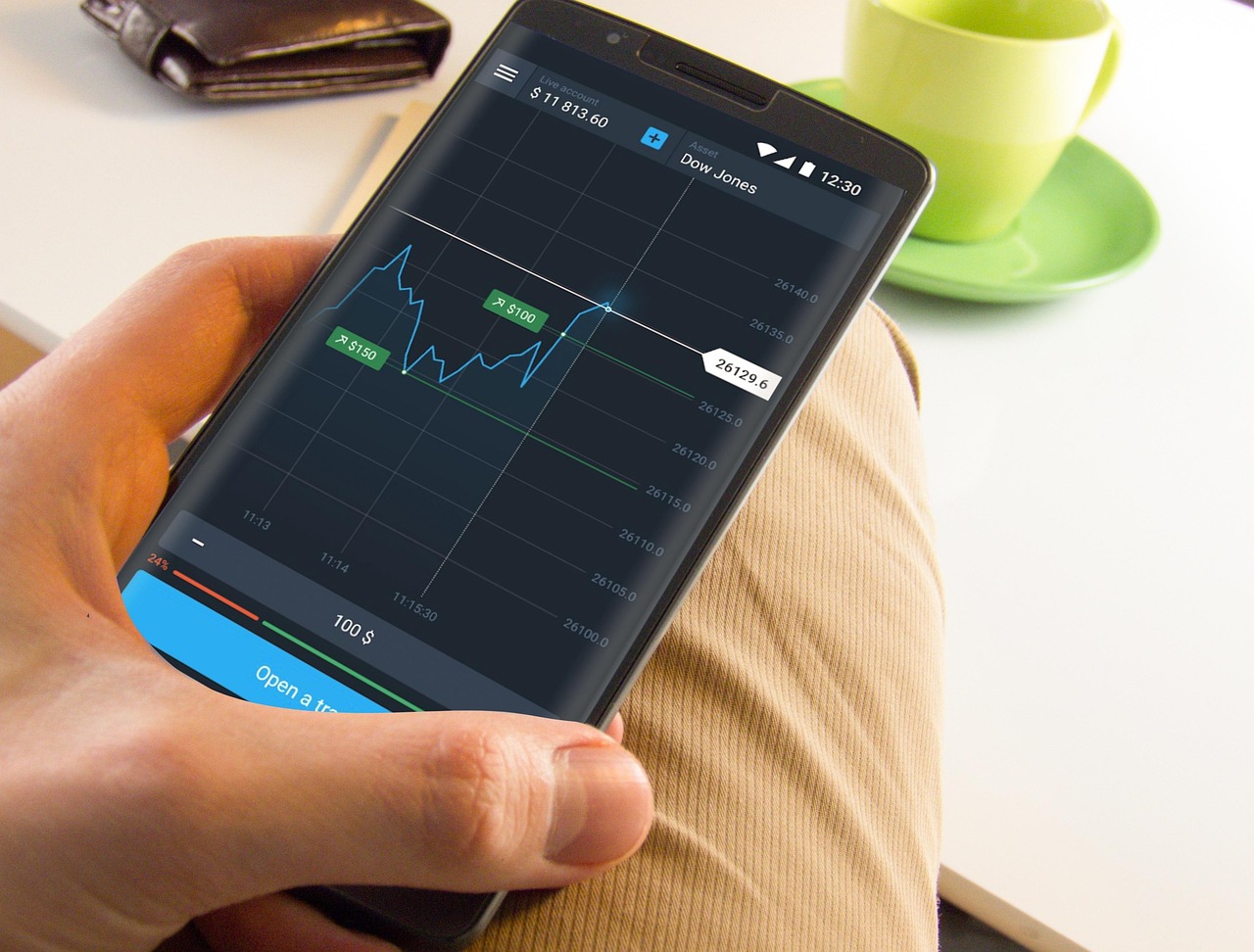
Currency trading, also known as Forex (Foreign Exchange), is a global, decentralized marketplace where currencies are traded. It’s the largest and most liquid financial market in the world, with trillions of dollars changing hands daily. Understanding the fundamentals of currency trading is crucial for anyone looking to participate in this dynamic and potentially profitable market. This comprehensive guide will walk you through the essentials, helping you navigate the Forex landscape with confidence.
Understanding the Forex Market
What is Forex?
Forex, short for Foreign Exchange, is the process of exchanging one currency for another. Unlike stock markets that have a central exchange, Forex trading occurs over-the-counter (OTC), meaning transactions are conducted electronically between networks of banks, brokers, and traders around the world. This decentralized nature allows trading 24 hours a day, five days a week, offering flexibility and opportunities for traders globally.
- Decentralized Market: No central exchange governs Forex trading.
- Global Participation: Banks, corporations, governments, and individual traders participate.
- High Liquidity: Trillions of dollars are traded daily, making it easy to enter and exit positions.
- 24/5 Availability: Trading occurs around the clock, from Sunday evening to Friday evening EST.
Key Forex Terminology
Familiarizing yourself with essential Forex terminology is crucial for understanding market dynamics and executing trades effectively.
- Currency Pair: The combination of two currencies being traded (e.g., EUR/USD).
- Base Currency: The first currency listed in a currency pair (e.g., EUR in EUR/USD).
- Quote Currency: The second currency listed in a currency pair (e.g., USD in EUR/USD).
- Pip (Point in Percentage): The smallest price increment a currency pair can move. For most currency pairs, one pip is equal to 0.0001.
- Spread: The difference between the bid (selling) and ask (buying) price of a currency pair.
- Leverage: The use of borrowed funds to increase the potential return on an investment. While it can magnify profits, it also amplifies losses.
- Margin: The amount of money required in your trading account to open and maintain a position.
- Example: If the EUR/USD pair is trading at 1.1000, and it moves to 1.1001, that’s a one pip movement. If you have leverage of 1:100, a $100 investment effectively controls $10,000.
Factors Influencing Currency Values
Economic Indicators
Economic indicators provide insights into a country’s economic health and can significantly impact currency values.
- Gross Domestic Product (GDP): Measures the total value of goods and services produced in a country. A higher GDP generally indicates a stronger economy and potentially a stronger currency.
- Inflation Rates: Reflect the rate at which prices for goods and services are rising. High inflation can weaken a currency.
- Interest Rates: Set by central banks, interest rates influence investment flows. Higher interest rates can attract foreign investment and strengthen a currency.
- Unemployment Rates: Indicate the percentage of the workforce that is unemployed. Lower unemployment rates typically signal a healthy economy.
- Consumer Confidence: Gauges consumers’ sentiment about the economy. Higher consumer confidence can lead to increased spending and economic growth.
- Example: If the U.S. Federal Reserve raises interest rates, the U.S. dollar (USD) may strengthen as investors seek higher returns in USD-denominated assets.
Political Stability and Geopolitical Events
Political stability and geopolitical events play a crucial role in currency valuations.
- Political Instability: Political uncertainty, such as elections, government changes, or social unrest, can negatively impact a currency’s value.
- Geopolitical Events: Wars, trade agreements, and international relations can cause significant currency fluctuations.
- Government Policies: Fiscal and monetary policies implemented by governments can influence currency values.
- Example: The Brexit vote in 2016 caused significant volatility in the British pound (GBP) due to uncertainty surrounding the UK’s future relationship with the European Union.
Market Sentiment
Market sentiment, or the overall attitude of investors towards a particular currency, can also influence its value.
- Risk-On/Risk-Off Sentiment: During periods of economic optimism (risk-on), investors tend to invest in higher-yielding currencies. During periods of economic uncertainty (risk-off), investors often flock to safe-haven currencies like the Japanese yen (JPY) or the Swiss franc (CHF).
- News and Rumors: Market sentiment can be influenced by news headlines, economic reports, and even rumors circulating in the market.
- Example: If there are rumors of a potential economic recession in Europe, traders may sell the Euro (EUR) and buy safe-haven currencies like the Swiss Franc (CHF).
Strategies for Currency Trading
Technical Analysis
Technical analysis involves analyzing historical price charts and using technical indicators to identify potential trading opportunities.
- Chart Patterns: Identifying formations on price charts that suggest future price movements (e.g., head and shoulders, double top, triangles).
- Technical Indicators: Using mathematical calculations based on price and volume data to generate trading signals (e.g., Moving Averages, RSI, MACD).
- Trend Lines: Drawing lines on price charts to identify the direction of the prevailing trend.
- Example: A trader might use a 50-day moving average and a 200-day moving average. If the 50-day moving average crosses above the 200-day moving average (a “golden cross”), it could be a signal to buy.
Fundamental Analysis
Fundamental analysis involves analyzing economic, financial, and political factors to assess the intrinsic value of a currency.
- Economic Data Releases: Monitoring economic data releases (e.g., GDP, inflation, employment) and analyzing their impact on currency values.
- Central Bank Announcements: Paying attention to announcements from central banks regarding interest rate decisions and monetary policy.
- Geopolitical Events: Assessing the potential impact of geopolitical events on currency valuations.
- Example: A trader might analyze the latest GDP figures for the UK. If the GDP growth is stronger than expected, they might consider buying the British pound (GBP).
Risk Management Strategies
Effective risk management is crucial for protecting your capital and minimizing potential losses in Forex trading.
- Stop-Loss Orders: Placing orders to automatically close a trade if the price moves against you by a certain amount.
- Take-Profit Orders: Placing orders to automatically close a trade when the price reaches a desired profit level.
- Position Sizing: Determining the appropriate amount of capital to risk on each trade, based on your risk tolerance and account size.
- Leverage Control: Using leverage responsibly to avoid excessive risk.
- Example: If you are trading EUR/USD and are willing to risk $100 on a trade, you would calculate your position size based on your stop-loss level and the EUR/USD exchange rate. For instance, if your stop-loss is 50 pips away from your entry price, and each pip is worth $0.10 per micro lot (0.01 lot size), you would use one micro lot for the trade to stay within your $100 risk limit.
Choosing a Forex Broker
Regulation and Security
Selecting a reputable and regulated Forex broker is paramount to ensure the safety of your funds and fair trading practices.
- Regulation: Choose a broker regulated by a reputable financial authority (e.g., FCA in the UK, ASIC in Australia, CySEC in Cyprus, CFTC/NFA in the U.S.).
- Security of Funds: Ensure the broker segregates client funds from its own operating funds and offers deposit insurance.
- Reputation: Research the broker’s reputation by reading reviews and checking for any complaints or disciplinary actions.
Trading Platform and Tools
The trading platform provided by the broker is your gateway to the Forex market.
- User-Friendliness: Choose a platform that is easy to navigate and understand.
- Technical Analysis Tools: Ensure the platform offers a wide range of technical indicators, charting tools, and order types.
- Mobile Trading: Consider a broker that offers a mobile trading app for convenient trading on the go.
Costs and Fees
Be aware of the costs and fees associated with trading with a particular broker.
- Spreads: Compare spreads offered by different brokers. Lower spreads can reduce your trading costs.
- Commissions: Some brokers charge commissions on trades, in addition to spreads.
- Rollover Fees (Swap): Overnight interest charges for holding positions open overnight.
- Deposit and Withdrawal Fees: Check for any fees associated with depositing or withdrawing funds.
- Example: Compare two brokers. Broker A offers EUR/USD with a spread of 1.2 pips and no commission. Broker B offers EUR/USD with a spread of 0.8 pips and a commission of $5 per lot. If you trade frequently, Broker B might be more cost-effective due to the lower spread, even after accounting for the commission.
Conclusion
Currency trading offers exciting opportunities for profit, but it also involves significant risks. A thorough understanding of the Forex market, the factors that influence currency values, effective trading strategies, and robust risk management is essential for success. By carefully selecting a reputable broker, developing a sound trading plan, and continuously learning and adapting to market conditions, you can increase your chances of achieving your financial goals in the dynamic world of Forex trading. Remember to start with a demo account to practice and refine your strategies before risking real capital.