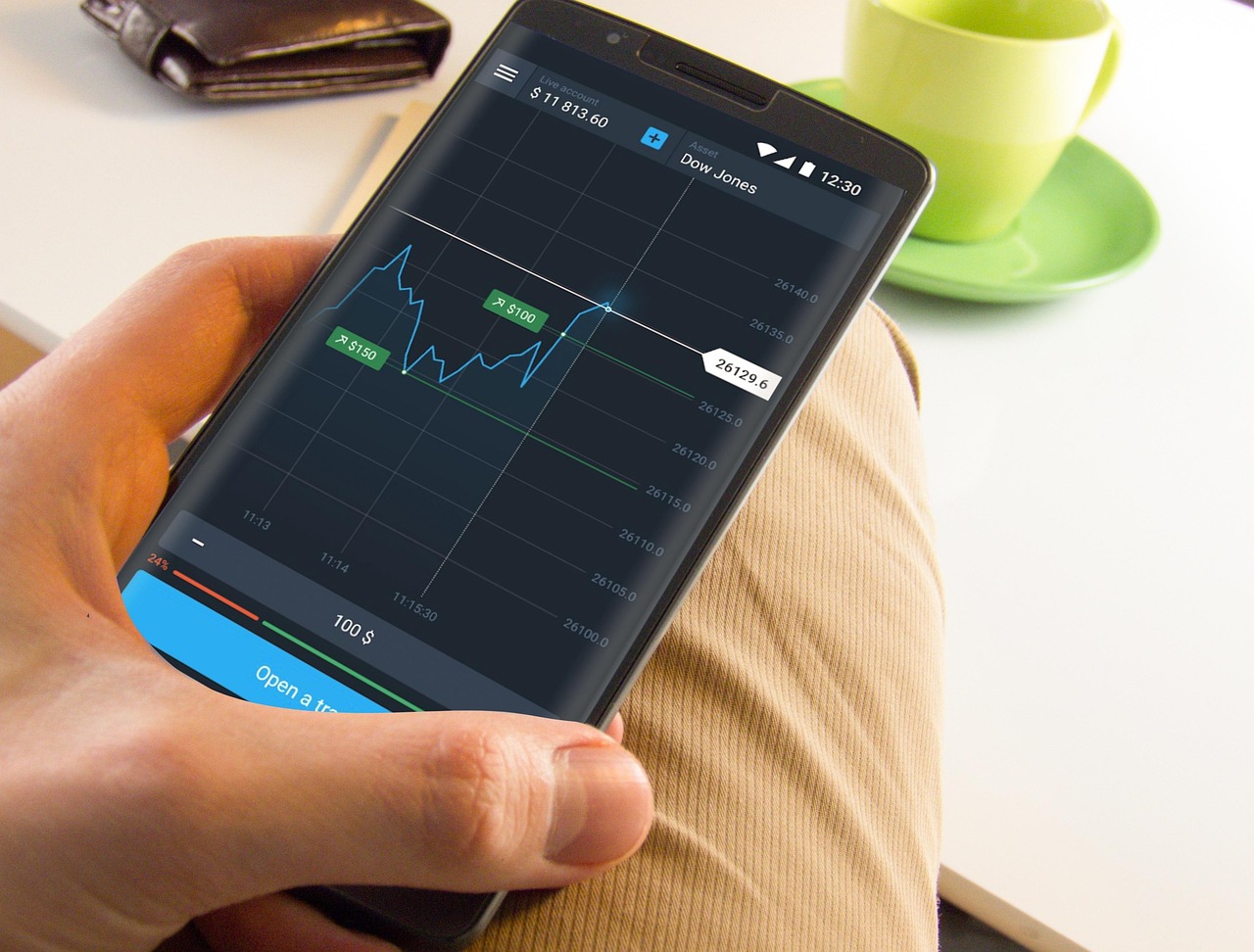
Navigating the dynamic world of Forex trading requires a keen understanding of prevailing market trends. Staying ahead of the curve means grasping the forces that drive currency valuations and adapting your strategies accordingly. This blog post delves into the key Forex trends that traders should be aware of, offering actionable insights to help you make informed trading decisions.
Identifying and Understanding Forex Trends
Successfully trading Forex relies heavily on your ability to identify and interpret market trends. These trends are patterns that indicate the general direction in which a currency pair is moving. Recognizing these patterns allows traders to predict future price movements and capitalize on potential profit opportunities.
Types of Forex Trends
There are three primary types of trends in the Forex market:
- Uptrend: Characterized by higher highs and higher lows, indicating a general upward price movement. This suggests increasing demand for the base currency.
Example: EUR/USD consistently making higher highs and higher lows over a period of weeks or months.
- Downtrend: Characterized by lower highs and lower lows, indicating a general downward price movement. This suggests increasing supply of the base currency.
Example: GBP/JPY consistently making lower highs and lower lows following a major political event.
- Sideways (Consolidation): The price fluctuates within a relatively narrow range, indicating neither an uptrend nor a downtrend. This suggests a period of equilibrium between buyers and sellers.
Example: USD/CHF trading between 0.9000 and 0.9050 for an extended period.
Tools for Trend Identification
Various technical analysis tools can help you identify Forex trends:
- Moving Averages: Smooth out price data to identify the general direction of the trend. Common moving averages include the 50-day, 100-day, and 200-day moving averages.
Example: If the price is consistently above the 200-day moving average, it may indicate a long-term uptrend.
- Trendlines: Lines drawn connecting a series of highs (for downtrends) or lows (for uptrends) to visualize the trend.
Example: Drawing a line connecting higher lows on a price chart to visualize an uptrend.
- Relative Strength Index (RSI): An oscillator that measures the magnitude of recent price changes to evaluate overbought or oversold conditions. Can also reveal trend strength.
- MACD (Moving Average Convergence Divergence): A trend-following momentum indicator that shows the relationship between two moving averages of a security’s price.
Fundamental Analysis and Trend Confirmation
While technical analysis helps identify trends on price charts, fundamental analysis provides context and validates those trends. Key fundamental factors include:
- Interest Rate Differentials: Differences in interest rates between two countries can significantly impact currency values.
Example: If a country raises its interest rates, its currency may appreciate against currencies with lower interest rates.
- Economic Data Releases: Economic indicators such as GDP growth, inflation rates, and unemployment figures can influence currency values.
Example: A strong GDP growth report can lead to an appreciation of the country’s currency.
- Political and Geopolitical Events: Political stability and geopolitical events can affect investor sentiment and currency valuations.
Example: Political instability in a country can lead to a depreciation of its currency.
Major Economic Factors Influencing Forex Trends
Understanding the major economic factors is essential to anticipate and interpret Forex trends. These factors shape the overall economic landscape and have a significant impact on currency valuations.
Interest Rate Policies
Central banks play a crucial role in influencing Forex trends through their interest rate policies.
- Higher Interest Rates: Attract foreign investment, increasing demand for the currency and potentially leading to appreciation.
- Lower Interest Rates: May discourage foreign investment, reducing demand for the currency and potentially leading to depreciation.
- Example: The US Federal Reserve’s decisions on interest rates heavily influence the value of the US Dollar (USD) against other currencies.
Inflation Rates
Inflation rates reflect the rate at which the general level of prices for goods and services is rising and consequently, the purchasing power is falling.
- High Inflation: Can erode the value of a currency, potentially leading to depreciation.
- Low and Stable Inflation: Can support the value of a currency, making it more attractive to investors.
- Example: Countries with persistently high inflation may experience currency depreciation as investors seek to invest in countries with more stable economies.
Gross Domestic Product (GDP)
GDP measures the total value of goods and services produced within a country’s borders during a specific period.
- Strong GDP Growth: Indicates a healthy economy, potentially leading to currency appreciation.
- Weak GDP Growth or Recession: May indicate economic weakness, potentially leading to currency depreciation.
- Example: Strong GDP growth in the Eurozone can boost the value of the Euro (EUR) against other currencies.
Employment Data
Employment figures, such as the unemployment rate and non-farm payrolls, provide insights into the health of a country’s labor market.
- Low Unemployment: Indicates a strong economy, potentially leading to currency appreciation.
- High Unemployment: May indicate economic weakness, potentially leading to currency depreciation.
- Example: Positive employment data in Australia can support the value of the Australian Dollar (AUD).
Trade Balance
The trade balance represents the difference between a country’s exports and imports.
- Trade Surplus: Indicates that a country exports more than it imports, potentially leading to currency appreciation.
- Trade Deficit: Indicates that a country imports more than it exports, potentially leading to currency depreciation.
- Example: A large trade surplus in China can support the value of the Chinese Yuan (CNY).
Geopolitical Events and Their Impact on Forex Trends
Geopolitical events, including political instability, trade wars, and international conflicts, can significantly impact Forex trends by influencing investor sentiment and risk appetite.
Political Instability
Political uncertainty and instability can deter foreign investment and lead to currency depreciation.
- Elections: Unexpected election results or political transitions can create uncertainty in the market.
- Policy Changes: Significant policy changes can lead to shifts in investor sentiment and currency valuations.
- Example: Political turmoil in a country can lead to capital flight and a sharp depreciation of its currency.
Trade Wars and Protectionism
Trade disputes and protectionist policies can disrupt global trade flows and impact currency values.
- Tariffs: Imposing tariffs on imports can lead to retaliatory measures and affect trade balances.
- Trade Agreements: New trade agreements or renegotiations can influence currency valuations.
- Example: Trade tensions between the US and China have significantly impacted the values of the USD and CNY.
International Conflicts and Crises
Geopolitical tensions, wars, and global crises can create uncertainty and volatility in the Forex market.
- Safe-Haven Currencies: During times of crisis, investors often flock to safe-haven currencies like the Swiss Franc (CHF) and the Japanese Yen (JPY).
- Commodity Currencies: Countries heavily reliant on commodity exports may see their currencies affected by changes in global commodity prices.
- Example: The Russia-Ukraine conflict significantly impacted the value of the Russian Ruble (RUB) and other currencies in the region.
Example – Brexit Impact on the GBP
The United Kingdom’s decision to leave the European Union (Brexit) serves as a clear example of how geopolitical events can drastically affect Forex trends. The uncertainty surrounding the UK’s future trade relationships and economic policies led to significant volatility and depreciation of the British Pound (GBP).
Strategies for Trading Forex Trends
Once you have identified a Forex trend, you can employ various trading strategies to capitalize on potential profit opportunities.
Trend-Following Strategies
Trend-following strategies aim to profit from the continuation of an established trend.
- Buy on Dips in an Uptrend: Look for opportunities to buy when the price temporarily pulls back in an uptrend.
- Sell on Rallies in a Downtrend: Look for opportunities to sell when the price temporarily bounces up in a downtrend.
- Using Stop-Loss Orders: Place stop-loss orders below the recent swing low in an uptrend or above the recent swing high in a downtrend to limit potential losses.
- Using Trailing Stop-Loss Orders: Trail your stop-loss order as the price moves in your favor to lock in profits and protect against reversals.
Breakout Strategies
Breakout strategies involve trading when the price breaks through a significant level of resistance (in an uptrend) or support (in a downtrend).
- Identifying Breakout Levels: Use technical analysis tools such as trendlines, support and resistance levels, and chart patterns to identify potential breakout levels.
- Confirmation: Wait for the price to break through the level and close above (for an uptrend breakout) or below (for a downtrend breakout) the level before entering a trade.
- Volume: Increased trading volume during a breakout can provide confirmation of the move’s strength.
Range-Bound Strategies
When the market is consolidating or trading sideways, range-bound strategies can be employed.
- Buy at Support, Sell at Resistance: Buy when the price reaches the lower end of the range (support) and sell when the price reaches the upper end of the range (resistance).
- Using Oscillators: Use oscillators like the RSI or Stochastic Oscillator to identify overbought or oversold conditions within the range.
- Example: Trading EUR/USD within a defined range, buying near the support level and selling near the resistance level.
Risk Management
Effective risk management is crucial when trading Forex trends.
- Position Sizing: Determine the appropriate position size based on your risk tolerance and account size.
- Stop-Loss Orders: Always use stop-loss orders to limit potential losses.
- Risk-Reward Ratio: Aim for a favorable risk-reward ratio (e.g., 1:2 or 1:3) to ensure that potential profits outweigh potential losses.
Conclusion
Staying informed about Forex trends and understanding the factors that drive them is essential for successful trading. By combining technical and fundamental analysis, traders can identify and capitalize on potential profit opportunities while managing risk effectively. Remember to adapt your strategies to changing market conditions and continuously refine your trading skills.