There is a unique, primal thrill in sitting in a darkened room, heart hammering against your ribs, as the tension on the screen reaches a fever pitch. Horror movies have long occupied a distinct space in cinema, acting as a mirror to our deepest societal anxieties and personal fears. Whether you are a fan of psychological suspense, supernatural hauntings, or visceral slasher films, the genre offers an unparalleled visceral experience that challenges our nerves and tests our courage. In this comprehensive guide, we explore why we love to be scared, how the genre has evolved, and how to choose the perfect film for your next movie night.
The Psychology of Fear: Why We Love Horror
The “Safe” Adrenaline Rush
Scientists often describe the enjoyment of horror as a form of “recreational terror.” When we watch a scary movie, our bodies enter a state of heightened arousal, triggering a fight-or-flight response. However, because we know we are in a safe environment, the brain processes this adrenaline as a thrill rather than a genuine threat.
Catharsis and Emotional Release
Horror films allow viewers to confront dark themes—such as grief, loss, and death—in a controlled, fictional space. This can provide a powerful sense of catharsis, helping audiences process their own anxieties through the lens of a narrative.
- Endorphin release: The physical relief following a jump scare often releases dopamine.
- Distraction: Focusing on a terrifying screen narrative can help take one’s mind off daily stressors.
- The “Afterglow”: Studies show that many viewers report feeling more positive and relaxed after a horror movie ends.
The Evolution of Horror Subgenres
From Gothic Roots to Modern Slasher
Horror has evolved significantly since the silent era. Early cinema relied on Gothic imagery, such as Nosferatu (1922), to evoke unease. By the 1970s and 80s, the “Slasher” subgenre emerged, focusing on unstoppable antagonists and high body counts, as seen in films like Halloween and Friday the 13th.
The Rise of Elevated Horror
In recent years, the genre has shifted toward “Elevated Horror.” These films prioritize atmospheric dread, complex character studies, and metaphors over simple jump scares. Notable examples include:
- Hereditary (2018): Explores the horrors of generational trauma.
- The Witch (2015): A slow-burn look at religious hysteria in colonial America.
- Get Out (2017): A poignant critique of systemic racism wrapped in a thriller format.
Key Elements That Make a Movie Truly Scary
The Power of Sound Design
If you mute a horror movie, the effectiveness is often cut in half. Sound is perhaps the most important tool for building tension. From the low-frequency hums that induce physical discomfort to the abrupt silence before a scare, sound design dictates the rhythm of our anxiety.
Visual Storytelling and Lighting
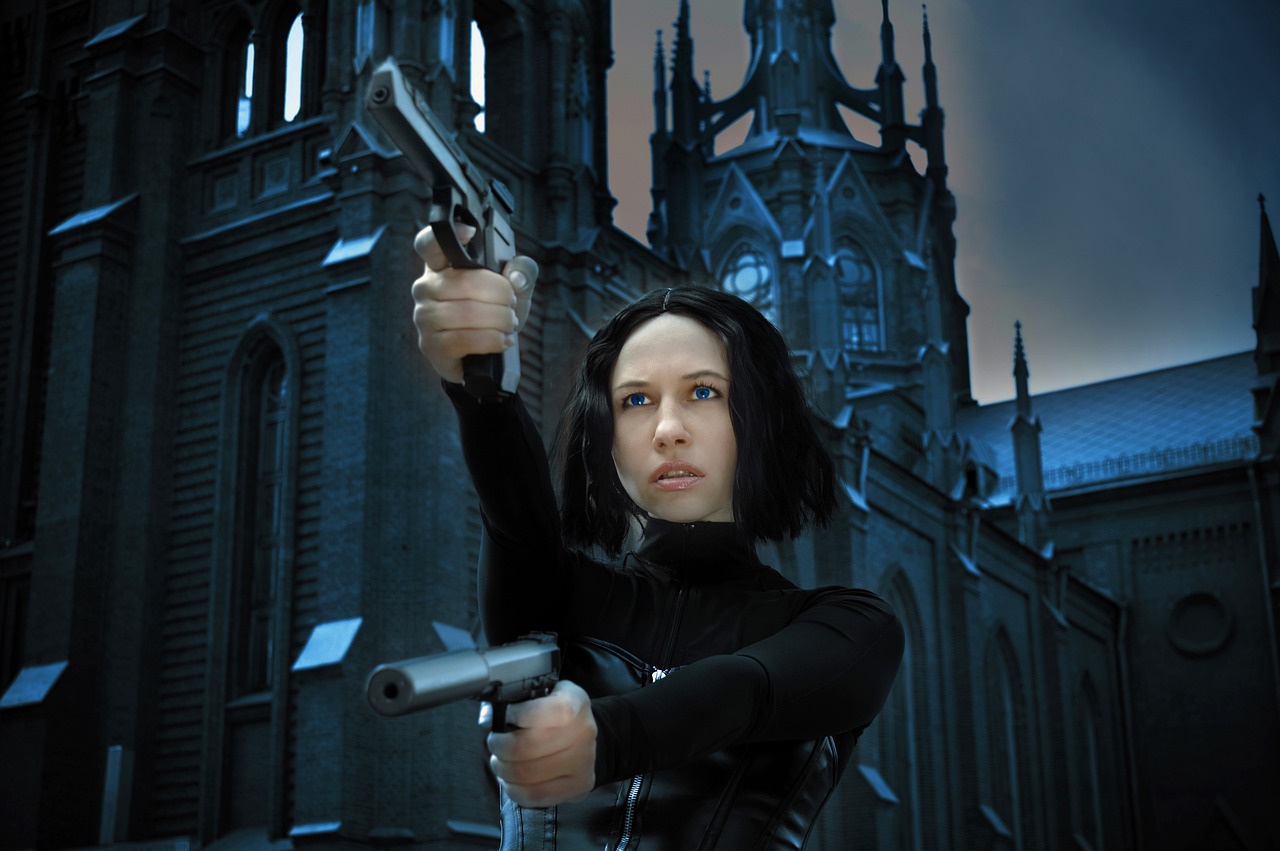
Horror directors utilize “chiaroscuro”—the contrast between light and dark—to hide threats in the shadows. By obscuring what the monster looks like, filmmakers force the audience to use their imagination, which is often far more terrifying than any practical effect.
- Pacing: A good horror film builds tension slowly, creating a “dread-induced” atmosphere.
- Practical Effects: Physical makeup and puppets often create a more “tangible” fear than digital CGI.
How to Host the Ultimate Horror Movie Night
Setting the Scene
To fully immerse yourself in the genre, you need the right environment. Eliminate all external light sources, turn off phone notifications, and—if possible—use a high-quality soundbar or surround sound system. The immersion level directly correlates to how much the film will impact you.
Curating Your Watchlist
Not all horror is equal. Before hitting play, consider the “flavor” of scare you are looking for:
- For the thrill-seeker: Fast-paced slashers or supernatural “haunted house” films.
- For the thinker: Psychological thrillers that require heavy analysis.
- For the gore-fan: Body horror films that focus on extreme practical effects.
- For the group: Classic 80s creature features that are fun to watch with friends.
The Future of Horror Cinema
Technological Innovation
With the rise of Virtual Reality (VR) and immersive 360-degree cinema, the horror genre is poised to become even more terrifying. Being “inside” the film rather than watching it from afar changes the psychological impact significantly.
Diverse Perspectives in Horror
The industry is seeing a massive surge in horror films created by diverse voices, bringing cultural folklore and unique regional anxieties to a global audience. From South Korean masterpieces like The Wailing to Mexican supernatural tales, the genre is more globally connected than ever before.
Conclusion
Horror movies remain a cornerstone of global entertainment because they tap into the most fundamental human emotion: fear. Whether you enjoy the adrenaline spike of a modern slasher or the deep, lingering dread of an elevated horror film, there is something in this genre for everyone. By understanding the psychology behind the screen, appreciating the technical craftsmanship of directors, and creating the perfect viewing environment, you can elevate your movie-watching experience to new heights. So, dim the lights, grab a blanket, and prepare to confront the shadows—the best scares are waiting.