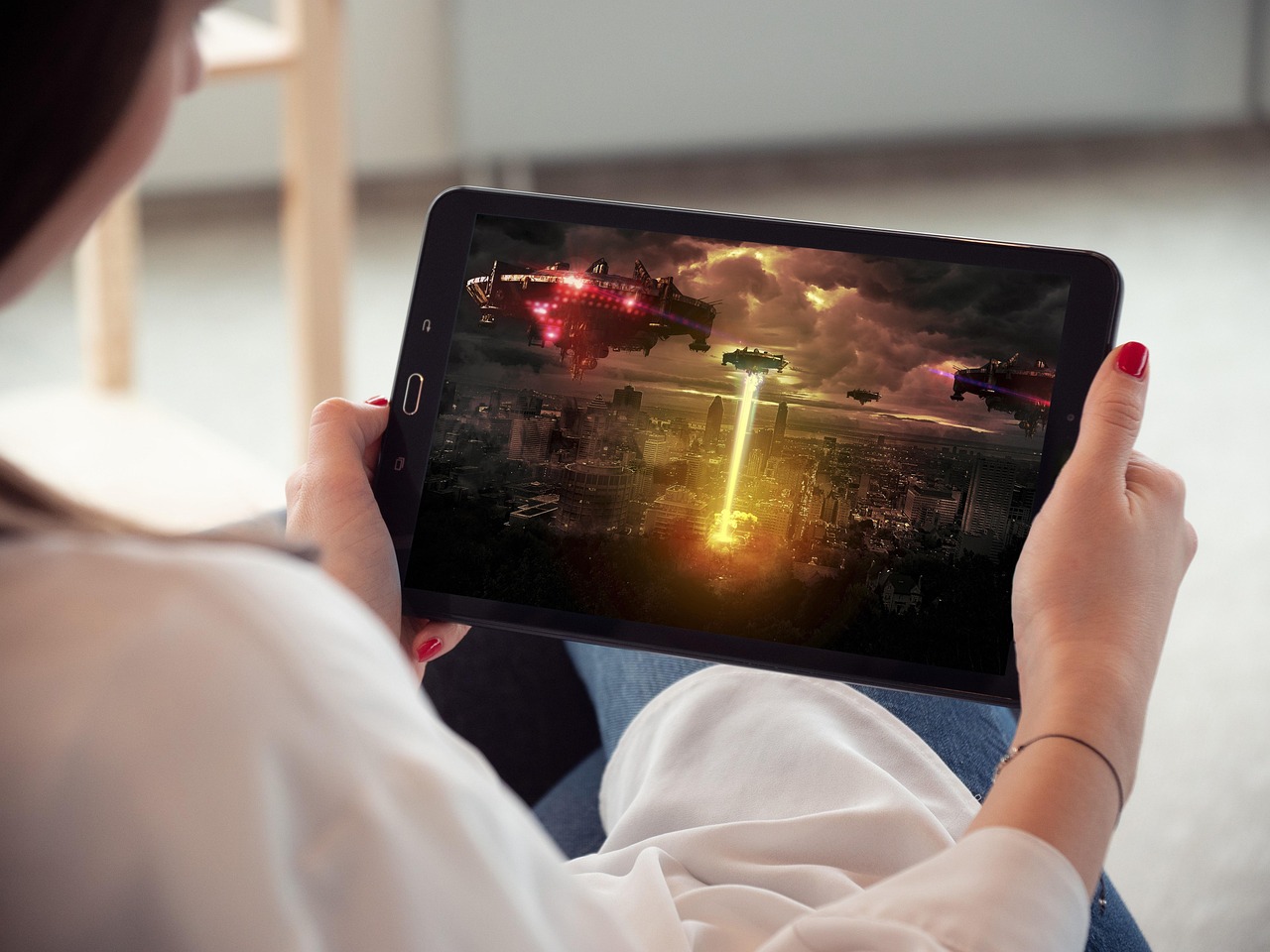
The landscape of home entertainment has undergone a seismic shift over the last decade, transforming from the era of physical media and scheduled cable broadcasts to a world of on-demand accessibility. Today, streaming movies is the primary way global audiences consume cinema, offering an unparalleled library of content at the touch of a button. Whether you are a cinephile hunting for classic noir or a family looking for the latest animated feature, the convenience of streaming has redefined the modern cinematic experience.
The Evolution of the Streaming Industry
From DVDs to Digital Clouds
The journey from physical rentals to digital streaming has been rapid. What began as a mail-order DVD service revolutionized the industry, paving the way for subscription-based video-on-demand (SVOD). This evolution has effectively killed the “video store” model, replacing it with massive, cloud-based libraries that are accessible from anywhere in the world.
- Accessibility: Movies are available instantly without the need for physical storage or return trips.
- Global Reach: Regional barriers are slowly dissolving, allowing for the rise of international cinema.
- Cost Efficiency: For the price of one movie ticket, subscribers can often access thousands of hours of content per month.
The Rise of Major Platforms
The current market is dominated by a few key players, each offering a distinct value proposition:
- Netflix: The pioneer that shifted the focus toward massive original content production.
- Disney+: A haven for family-friendly content and major intellectual properties like Marvel and Star Wars.
- Amazon Prime Video: Offers a hybrid model of subscription content and an expansive digital store for individual rentals.
- Max & Apple TV+: Known for high-production-value original series and curated premium films.
How to Optimize Your Streaming Experience
Hardware and Connectivity Requirements
To truly enjoy high-definition and 4K streaming, your setup matters. Relying on a weak Wi-Fi signal can lead to buffering and downgraded resolution, which ruins the immersion of a cinematic experience.
- Stable Internet: Aim for at least 25 Mbps for 4K streaming to ensure consistent quality.
- Hardware: Utilize dedicated streaming devices like a Roku, Apple TV 4K, or Amazon Fire Stick, which are often more optimized than built-in smart TV software.
- Audio Setup: Don’t ignore sound; a soundbar or a surround-sound system can transform a basic movie night into a theater-like event.
Managing Multiple Subscriptions
With so many platforms available, “subscription fatigue” is a common issue. It is easy to end up paying for services you rarely use. The best approach is to follow a rotation strategy:
- Pick one or two primary platforms you use daily.
- Subscribe to a third platform only for a month to “binge” specific content.
- Cancel services you haven’t used in over 30 days.
Navigating Content Discovery
Personalized Algorithms and Recommendations
Most streaming services use machine learning to suggest what you might like based on your viewing history. To help these algorithms work better for you, be sure to use the “Thumbs Up/Down” features or the “Add to Watchlist” tool. These inputs allow the service to curate a homepage tailored specifically to your taste.
Utilizing Third-Party Tools
Sometimes, searching through individual apps is inefficient. You can use aggregators like JustWatch or Reelgood to search for a specific movie title and instantly see which platforms have it available to stream, rent, or buy. This saves time and prevents you from paying for a movie that might be included in a subscription you already have.
The Future of Streaming Cinema
The Impact of Day-and-Date Releases
The “day-and-date” model—where a movie is released in theaters and on streaming services simultaneously—has become a hot topic in Hollywood. While this provides maximum convenience for viewers, it has sparked significant debate regarding the theatrical window. For the consumer, it means more options than ever regarding how and where they consume blockbuster films.
Advancements in Technology
The future of streaming isn’t just about more content; it’s about better quality. We are seeing a steady increase in:
- HDR and Dolby Vision: Providing deeper contrast and more vivid colors for a more realistic image.
- Spatial Audio: Creating an immersive 3D soundscape through standard headphones or speakers.
- AI-Driven Upscaling: Helping older, lower-resolution films look sharp on modern 4K displays.
Conclusion
Streaming movies has fundamentally changed our relationship with entertainment. By offering instant, affordable, and high-quality access to a vast array of global content, these platforms have put the power of the cinema directly into our living rooms. By optimizing your home hardware, utilizing smart subscription strategies, and leveraging discovery tools, you can ensure that your home theater setup provides the best possible viewing experience. As technology continues to evolve, the barrier between the theater and the couch will only continue to shrink, making this a golden age for movie lovers everywhere.