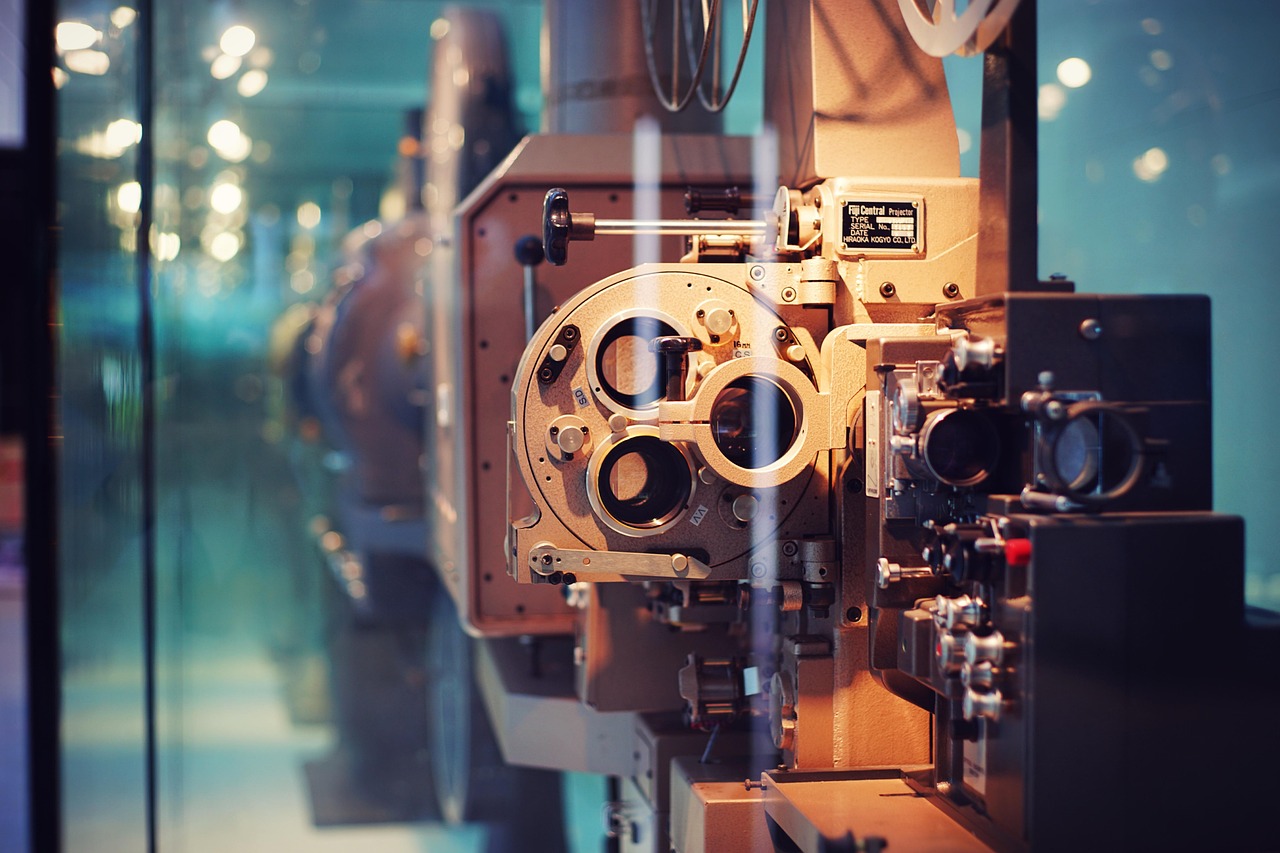
The landscape of cinema has been fundamentally reshaped by the evolution of animated films. Once relegated to the margins of children’s entertainment, animation has matured into a sophisticated medium capable of exploring profound human emotions, complex social issues, and breathtaking artistic visions. Whether it is the hand-drawn nostalgia of the 20th century or the hyper-realistic CGI spectacles of today, animated storytelling continues to push the boundaries of what is possible on screen, captivating audiences of all ages across the globe.
The Evolution of Animation Techniques
Understanding the history of animated films requires looking at how technology has changed the way creators bring characters to life. The shift from traditional craftsmanship to digital innovation has defined the medium’s growth.
Traditional Cel Animation
Before the digital era, animation was a labor-intensive process involving hand-drawn cels. This technique required artists to draw every frame individually, a method that gave classics their unique, organic aesthetic.
- Disney’s Golden Age: Films like Snow White and the Seven Dwarfs set the standard for fluid movement and character performance.
- The Human Touch: Traditional animation retains a “warmth” that modern software often strives to emulate through textures.
The Computer-Generated Imagery (CGI) Revolution
The release of Toy Story in 1995 marked a tectonic shift in the industry. CGI allowed for three-dimensional perspectives, complex lighting, and camera movements that were previously impossible in 2D space.
- Efficiency and Scale: CGI allows for intricate background details and massive crowd simulations.
- Versatility: Modern studios now frequently blend 3D characters with 2D-inspired “painterly” textures, as seen in Spider-Man: Into the Spider-Verse.
Why Animated Films Appeal to All Ages
The “animation is just for kids” stereotype has long been debunked. Modern animation studios prioritize multi-layered storytelling that resonates with adults as much as children.
Emotional Depth and Maturity
The best animated films often tackle heavy themes such as grief, existentialism, and identity. By using stylized characters, creators can explore these difficult topics in ways that feel safe yet impactful.
- Practical Example: Pixar’s Inside Out uses the metaphor of personified emotions to help audiences—both young and old—process mental health and emotional regulation.
- The Pixar Formula: Mixing slapstick humor with poignant, tear-jerking narrative arcs ensures that adults remain invested alongside their children.
Visual Storytelling Beyond Limits
Unlike live-action, animation is not beholden to the laws of physics. Filmmakers have total control over every pixel, allowing them to create worlds that are impossible to capture with a camera.
- Visual Metaphor: Colors and shapes can be used to represent internal character states.
- Limitless Scope: Fantasy settings can be rendered with complete fidelity without the need for massive practical sets or expensive green-screen limitations.
The Economic Impact of the Animation Industry
Animation is a multi-billion dollar powerhouse. According to industry reports, the global animation market is projected to reach significant growth, driven by the rise of streaming platforms and international content consumption.
Box Office Success
Animated films consistently rank among the highest-grossing movies of all time. Franchises like Shrek, Frozen, and Despicable Me have proven that animated intellectual property (IP) is a goldmine for studios.
Merchandising and Branding
The revenue from an animated film goes far beyond ticket sales. The creation of iconic character designs allows for extensive merchandising, theme park attractions, and licensing deals that keep a film profitable for decades.
Careers and Future Trends in Animation
As technology advances, the demand for skilled animators, storyboard artists, and technical directors continues to climb. If you are interested in a career in the field, it is crucial to stay ahead of these trends.
The Rise of Artificial Intelligence
AI is beginning to play a role in automating repetitive tasks like “in-betweening” (drawing the frames between key poses). This allows artists to focus more on the creative and emotional aspects of storytelling.
Global Content Diversity
The future of animation is global. Studios are looking beyond traditional Western hubs to find inspiration from Japanese Anime, European art styles, and emerging talents in South America and Southeast Asia, leading to a richer, more diverse cinematic landscape.
- Tip for Aspiring Artists: Master the fundamentals of movement and acting before jumping into software. Software changes, but the principles of animation remain constant.
Conclusion
Animated films represent the perfect marriage of technical innovation and artistic expression. Whether you are a casual viewer captivated by the latest CGI marvel or an aspiring creator learning the ropes of character design, the medium offers endless possibilities for discovery. By understanding the techniques behind the craft, the depth of the storytelling, and the industry’s economic scale, we can better appreciate the immense effort that goes into every frame we see on screen. As technology evolves, one thing remains certain: the power of a well-told animated story will continue to inspire and entertain generations to come.