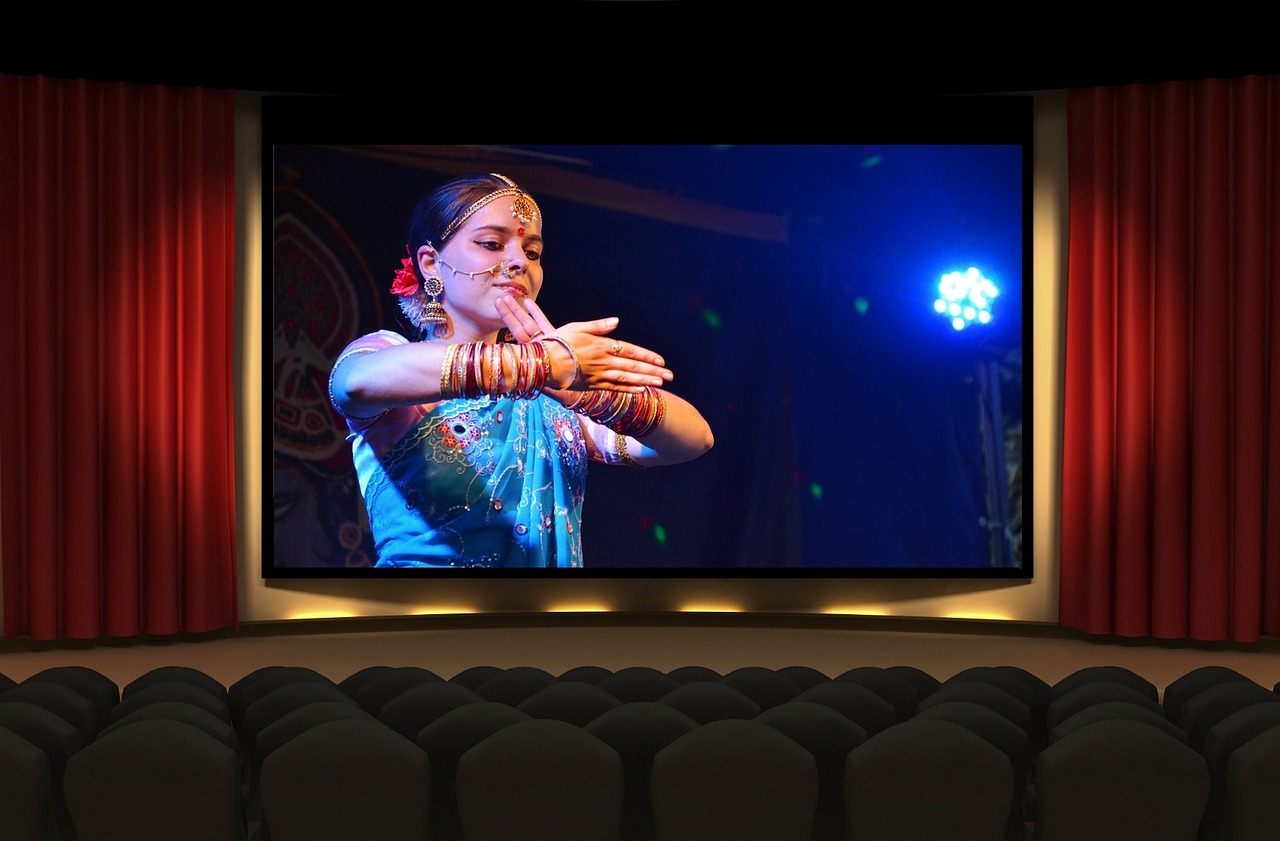
There is an undeniable magic in the way romance movies capture the human experience. Whether it is the breathless anticipation of a first kiss, the gut-wrenching pain of a long-distance separation, or the quiet comfort of a lifelong partnership, the romance genre offers a cinematic mirror to our deepest emotions. Beyond mere escapism, these films serve as cultural touchstones that explore the complexities of intimacy, vulnerability, and the pursuit of connection in an increasingly fast-paced world.
The Evolution of the Romance Genre
From Classic Hollywood to Modern Complexity
The romance genre has traveled a long path, shifting from the grand, studio-era gestures of the 1940s to the gritty, authentic portrayals of the 21st century. While early cinema leaned heavily on “meet-cutes” and idealized fairy tales, modern filmmaking often embraces the gray areas of relationships.
- The Golden Age: Films like Casablanca established the trope of the tragic, self-sacrificial romance.
- The 90s Rom-Com Boom: This era prioritized witty banter and lighthearted obstacles, seen in classics like When Harry Met Sally.
- Modern Realism: Contemporary hits like Past Lives focus on timing, missed opportunities, and personal growth rather than just a “happily ever after.”
The Science of Why We Love Romance Movies
Psychologists suggest that watching romance movies releases oxytocin, the “cuddle hormone,” which helps viewers feel a sense of emotional closeness. This physiological response is why we often return to our favorite comfort movies during times of stress.
Key Elements That Make a Great Romance Movie
Developing On-Screen Chemistry
The success of any love story hinges on the chemistry between leads. It isn’t just about attractiveness; it is about how the actors react to one another’s presence, micro-expressions, and unspoken communication.
- Shared Vulnerability: Characters must lower their defenses to earn the audience’s investment.
- Meaningful Conflict: The best romances feature obstacles that test the characters’ values, not just their patience.
- Atmospheric Settings: Whether it’s the rain-soaked streets of London or a cozy bookstore in New York, the setting often acts as a silent character.
Crafting the Perfect Emotional Arc
A satisfying romance needs a trajectory. According to standard screenwriting frameworks, the arc usually involves a “meet-cute,” a “dark night of the soul,” and a grand, transformative climax where the characters choose each other despite their flaws.
Sub-Genres Within Romance
The Romantic Comedy (Rom-Com)
The rom-com remains the most popular sub-genre, designed to uplift the spirit. These films rely on humor, miscommunications, and bright, optimistic tones. Practical tip: If you are looking for the gold standard in this genre, start with The Proposal or Crazy Rich Asians.
The Tear-Jerking Period Drama
These films often lean into grand social obstacles—class differences, war, or familial duty. They are characterized by sweeping scores and lavish cinematography. Examples like Pride & Prejudice or Atonement excel at showing how time and circumstances can keep lovers apart.
Indie and Auteur Romance
These films often eschew traditional tropes in favor of dialogue-heavy, intimate character studies. Films like the Before Trilogy are essential viewing for those who prefer intellectual connection over grand gestures.
How to Curate the Perfect Movie Night
Matching the Mood to the Movie
Not every romance is right for every occasion. Curating your watchlist is an art form:
- For a Group Hangout: Choose high-energy rom-coms with ensemble casts.
- For a Solo Night In: Opt for character-driven dramas that allow for introspection.
- For a First Date: Select light, witty films that spark conversation rather than intense, melancholic dramas.
Actionable Tips for Film Enthusiasts
- Explore International Cinema: Don’t limit yourself to Hollywood; look at South Korean dramas or French cinema for fresh perspectives on love.
- Read the Source Material: Many great romances are based on novels; reading the book can provide deeper context for the characters’ motivations.
- Host a Theme Night: Pair your movie with snacks or drinks that represent the setting of the film (e.g., espresso and Italian pastries for a movie set in Rome).
Conclusion
Romance movies do more than fill our screens; they articulate the universal longing for connection and the courage it takes to be vulnerable with another person. By understanding the evolution of the genre, recognizing the elements that create genuine chemistry, and exploring the vast variety of sub-genres available, you can deepen your appreciation for these cinematic treasures. Whether you seek the comfort of a predictable rom-com or the emotional depth of a tragic period piece, there is always a story waiting to remind you of the transformative power of love.