In our fast-paced modern world, stress has become an almost constant companion. While we often look for external solutions to manage anxiety and fatigue, one of the most powerful tools for restoration is built directly into our biology: our breath. Intentional breathing exercises are not just for meditation practitioners; they are scientifically proven techniques that can alter your physiological state, lower your heart rate, and sharpen your mental clarity in mere minutes. By mastering your breath, you gain a portable, no-cost toolkit for regulating your nervous system and enhancing your overall quality of life.
Understanding the Science of Breathwork
The Connection Between Breath and the Nervous System
Your breathing pattern acts as a direct line of communication to your autonomic nervous system. When you are stressed, you typically engage in shallow, rapid “chest breathing,” which signals your body to remain in a “fight or flight” (sympathetic) state. Conversely, slow, deep abdominal breathing stimulates the vagus nerve, which activates your “rest and digest” (parasympathetic) response.
Key Benefits of Mindful Breathing
- Reduced Cortisol Levels: Consistent practice helps lower the primary stress hormone, cortisol.
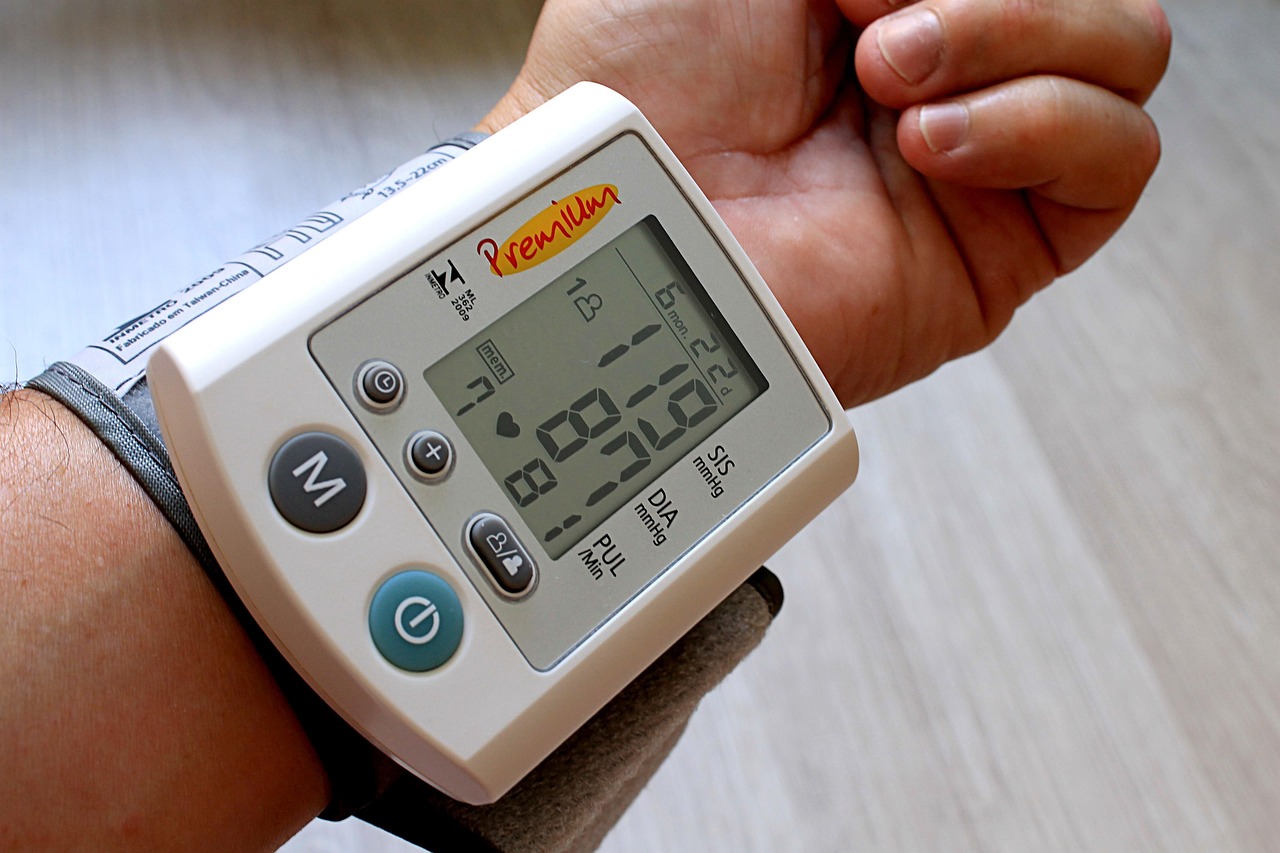
- Improved Blood Pressure: Deep breathing exercises can lead to a measurable reduction in systolic and diastolic blood pressure.
- Enhanced Focus: Increasing oxygen intake improves cognitive function and helps clear “mental fog.”
- Better Sleep Quality: Calming techniques before bed can help transition the body into deep sleep cycles faster.
The 4-7-8 Technique for Relaxation
How It Works
Often referred to as a “natural tranquilizer for the nervous system,” the 4-7-8 technique is highly effective for falling asleep or calming down during moments of acute anxiety.
Step-by-Step Execution
- Exhale completely through your mouth, making a whooshing sound.
- Close your mouth and inhale quietly through your nose to a count of four.
- Hold your breath for a count of seven.
- Exhale completely through your mouth, making a whooshing sound to a count of eight.
Actionable Takeaway: Try this cycle four times when you feel overwhelmed. Do not exceed four cycles when first starting out to avoid lightheadedness.
Box Breathing for Peak Performance
The Tactical Advantage
Box breathing, also known as four-square breathing, is a technique used by high-performance professionals, including Navy SEALs and elite athletes, to remain calm and focused under extreme pressure. It helps to regulate the nervous system and prepare the mind for complex tasks.
How to Practice Box Breathing
- Inhale for 4 seconds.
- Hold your breath for 4 seconds.
- Exhale for 4 seconds.
- Hold your lungs empty for 4 seconds.
This rhythmic pattern helps eliminate distracted thinking by forcing your brain to focus solely on the counting mechanism.
Diaphragmatic Breathing: The Foundation
What is Belly Breathing?
Most adults breathe into their upper chest, which limits oxygen exchange. Diaphragmatic breathing—or belly breathing—involves fully engaging the diaphragm, the dome-shaped muscle below your lungs, to allow for deeper, more efficient breaths.
Techniques for Success
- Place one hand on your chest and the other on your abdomen.
- Breathe in slowly through your nose, ensuring the hand on your stomach rises while the hand on your chest remains relatively still.
- Exhale slowly through pursed lips.
By shifting your focus to the diaphragm, you improve the efficiency of your lungs and reduce the physical strain on your neck and shoulder muscles.
Integrating Breathwork into Your Daily Routine
Practical Tips for Consistency
The greatest challenge with breathing exercises is remembering to perform them. To build a sustainable habit, try these strategies:
- Use Triggers: Practice three deep breaths every time you receive an email notification or stop at a red light.
- Morning Rituals: Dedicate five minutes upon waking to focus on your breath before checking your phone.
- Dedicated Apps: Use technology like Calm, Headspace, or simple countdown timers to guide your sessions.
When to Seek Professional Guidance
While breathing exercises are generally safe, if you have underlying respiratory issues like asthma or COPD, it is wise to consult with a medical professional before starting intense breathwork training. Listen to your body and never force your breath to the point of discomfort.
Conclusion
Incorporating deliberate breathing exercises into your day is one of the most accessible and effective ways to invest in your long-term health. Whether you choose the grounding rhythm of the 4-7-8 technique, the focus-enhancing power of box breathing, or the foundational benefits of diaphragmatic breathing, you are giving your body the tools it needs to thrive in a high-stress environment. Start small, remain consistent, and you will soon find that the secret to a calmer, more productive life has been right beneath your nose all along.