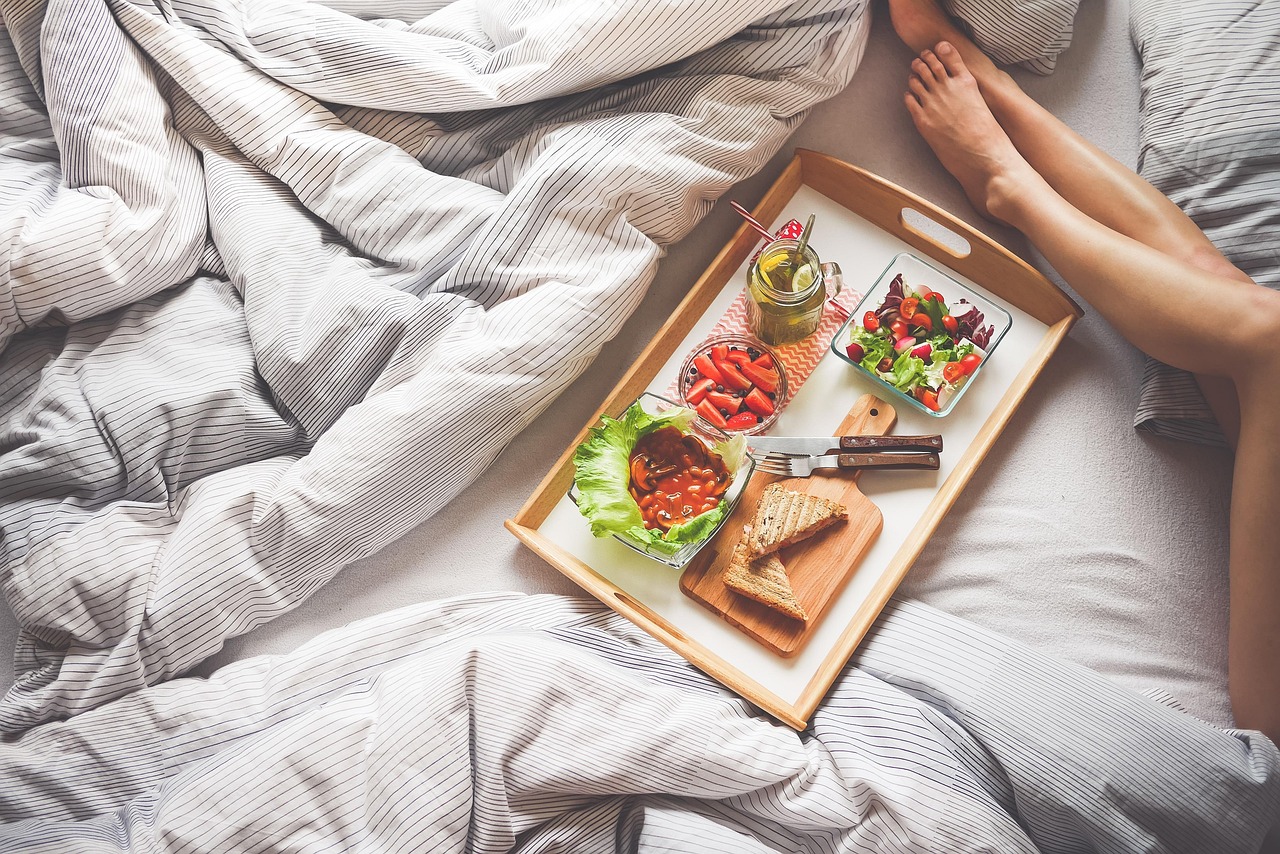
In a world defined by the relentless pace of digital notifications, back-to-back meetings, and the pervasive “hustle culture,” the concept of slow living has emerged as a necessary antidote. It is not about doing everything at a snail’s pace; rather, it is a conscious decision to prioritize quality over quantity and presence over productivity. By intentionally shifting our focus, we can reclaim our time and cultivate a life that feels more meaningful, grounded, and sustainable.
Understanding the Philosophy of Slow Living
What Does It Actually Mean?
Slow living is a lifestyle approach that encourages people to slow down the pace of their daily lives, be more present, and enjoy the moments that truly matter. It involves stepping back from the constant need for speed and efficiency to evaluate what actually adds value to your existence. It is about mindfulness in every action, from how we work to how we nourish our bodies.
The Core Pillars
- Mindful consumption: Being intentional about what we buy and how we use resources.
- Digital detoxing: Reducing screen time to reconnect with the physical world.
- Deep work: Focusing on singular tasks rather than constant multitasking.
- Prioritizing well-being: Valuing sleep, nutrition, and mental health over external achievements.
Actionable Takeaway
Start your morning by avoiding your phone for the first 30 minutes after waking up. Use this time to drink coffee or tea without distractions, setting a calm intention for the day ahead.
The Tangible Benefits of a Slower Pace
Mental and Physical Health Impacts
Research suggests that chronic stress—often fueled by a high-speed lifestyle—contributes to up to 90% of all doctor visits. By adopting a slower lifestyle, you can significantly lower cortisol levels. A study published in the Journal of Occupational Health Psychology indicates that individuals who practice mindfulness and reduce pace report lower levels of burnout and higher job satisfaction.
Key Advantages
- Reduced anxiety and mental fatigue.
- Improved cognitive function and creativity.
- Stronger, more authentic personal relationships.
- Greater appreciation for daily rituals.
Actionable Takeaway
Keep a “slow journal” for one week. Record moments when you felt rushed versus moments when you felt calm. Identify patterns that trigger your stress and plan to eliminate or modify one “hurry” trigger next week.
Integrating Slow Living Into Your Daily Routine
Intentional Morning and Evening Rituals
How you start and end your day dictates the tone of your life. Instead of hitting the snooze button and rushing out the door, slow living advocates for a structured yet unhurried routine.
Tips for Better Routine Management
- Batch your tasks: Group similar chores together to avoid the “switching cost” of multitasking.
- Schedule “white space”: Intentionally leave 15-30 minute gaps in your calendar for rest or reflection.
- Embrace analog tools: Use a physical planner or notebook instead of digital apps to reduce screen interaction.
Actionable Takeaway
Try “The Power of One.” Spend today focusing on doing just one thing at a time. If you are washing the dishes, only wash the dishes. If you are eating, only eat. Avoid checking emails while doing other household tasks.
Mindful Consumption and Sustainability
Quality Over Quantity
Slow living is deeply linked to sustainability. By choosing items that are durable, ethical, and necessary, we move away from the “throwaway culture” of fast fashion and consumerism. This is often referred to as the Slow Movement, which started with food and expanded into fashion and design.
Ways to Practice Conscious Consumption
- Ask yourself the “30-Day Rule”: If you want to buy something non-essential, wait 30 days to see if you still feel the need for it.
- Support local artisans and small businesses.
- Repair items instead of discarding them.
Actionable Takeaway
Conduct a audit of one closet or drawer. Identify items you haven’t used in a year. Donate them to clear physical clutter, which often leads to mental clarity.
Overcoming Challenges in a Fast-Paced World
Dealing with Social Pressure
Choosing to live slowly often goes against the grain. You may face pressure from colleagues or family members who value constant availability. The key is setting clear boundaries and communicating them effectively.
How to Maintain Your Pace
- Learn to say “no” to commitments that do not align with your core values.
- Communicate your need for “offline time” to friends and family.
- Accept that you don’t need to be productive every single hour of the day to be valuable.
Actionable Takeaway
Create a “Not-To-Do” list. Identify three things you currently do (e.g., checking social media at dinner, responding to non-urgent emails after 7 PM) and consciously stop doing them.
Conclusion
Slow living is not a radical retreat from the world; it is a way of living within the world with more intention, grace, and clarity. By embracing the small moments, curating your environment, and setting firm boundaries, you can effectively combat the burnout that has become the hallmark of the modern age. Remember, this is a personal journey—it doesn’t happen overnight. Start by implementing one small change this week, and you will soon find that slowing down is the best way to move forward in a life well-lived.