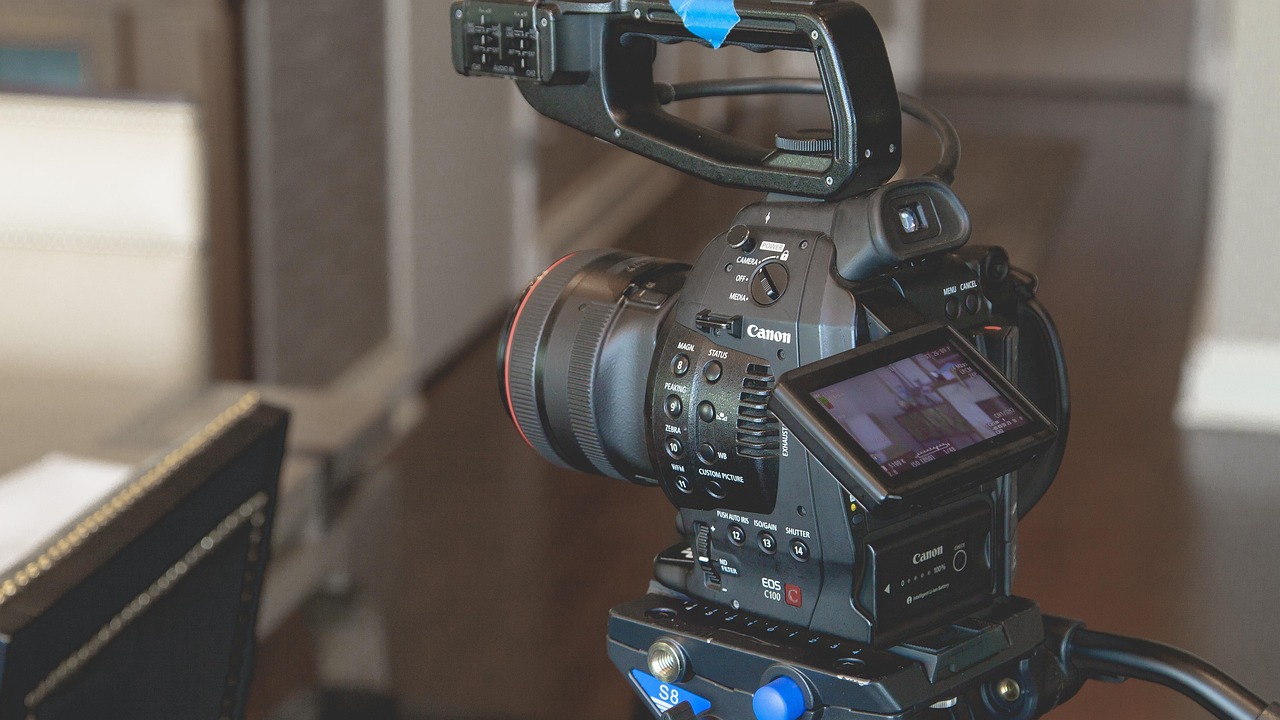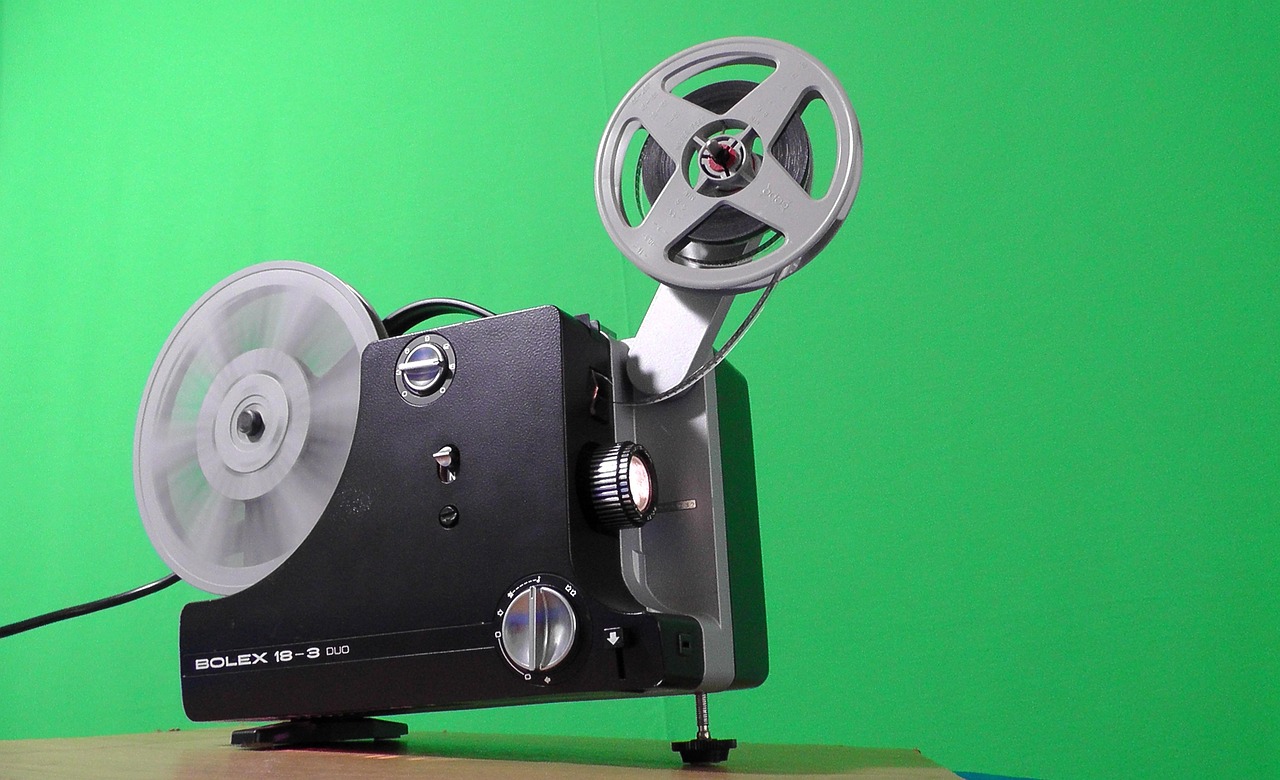
There is a unique, paradoxical thrill in sitting in a dark room, heart racing, while watching the most terrifying scenarios play out on screen. Horror movies have long occupied a special place in cinema history, offering audiences a safe way to explore their deepest anxieties, primal fears, and the unknown. Whether it is the visceral jump scare of a slasher flick or the creeping dread of psychological horror, the genre continues to evolve, proving that our fascination with the macabre is more than just a fleeting obsession—it is a cornerstone of global pop culture.
The Evolution of Horror Cinema
Horror has transformed significantly since the early days of silent film. From the gothic shadows of the 1920s to the high-concept digital terror of the modern era, the genre mirrors the societal fears of its time.
From Gothic Roots to Slasher Icons
Early horror relied heavily on atmosphere, German Expressionism, and literary classics like Dracula and Frankenstein. As technology advanced, the genre shifted toward physical threats.
- The 1930s-50s: The age of Universal Monsters focused on atmospheric dread.
- The 1970s-80s: The birth of the “Slasher” era, featuring iconic antagonists like Michael Myers and Jason Voorhees.
- Practical Effects: The golden age of animatronics and prosthetic makeup, seen in films like The Thing (1982).
The Rise of Psychological Horror
Modern audiences are increasingly drawn to “elevated” horror, which prioritizes psychological trauma and social commentary over mindless violence. Films like Hereditary and The Babadook have demonstrated that the most frightening monsters are often those hidden within the human psyche.
Why We Love to Be Scared
Psychologically, watching horror movies triggers a “fight-or-flight” response in a controlled environment. This allows viewers to experience an adrenaline rush without actual danger, a phenomenon often called “recreational fear.”
The Physiological Benefits
Engaging with horror can actually provide a therapeutic release for some viewers:
- Adrenaline Release: The body releases endorphins and dopamine during intense sequences.
- Stress Management: Facing artificial threats can help build resilience against real-world stressors.
- Catharsis: Horror movies allow audiences to process darker emotions like grief, anxiety, and fear in a narrative setting.
Actionable Takeaway
If you find yourself easily overwhelmed by scary movies, try watching them during the day with the lights on, or stick to “suspense” rather than “gore” to ease your way into the genre.
Subgenres Every Fan Should Know
Horror is a massive umbrella encompassing dozens of subgenres. Understanding these categories can help you choose the perfect film for your next movie night.
Defining the Categories
- Supernatural: Focuses on ghosts, demons, and entities beyond scientific explanation (e.g., The Conjuring).
- Slasher: Typically involves a masked killer stalking a group of people (e.g., Halloween).
- Found Footage: Presented as if the film is “discovered” video footage (e.g., The Blair Witch Project).
- Body Horror: Explores the grotesque alteration or destruction of the human body (e.g., The Fly).
The Role of Sound and Cinematography
A horror movie is only as good as its technical execution. The secret to a truly terrifying film often lies in what you don’t see, but rather what you hear.
Masterful Sound Design
Sound design, including dissonant scores and sudden silence, is crucial for building tension. Many horror films utilize “infrasound”—low-frequency sound waves that can induce feelings of anxiety or unease in human listeners.
Strategic Lighting
Cinematographers use “Chiaroscuro”—the contrast between light and dark—to hide threats in the periphery. Keeping a monster or killer partially obscured triggers the brain’s natural tendency to fear the unknown.
How to Curate the Perfect Horror Marathon
Hosting a horror movie night is an art form. To keep your guests engaged and properly spooked, consider the flow of the films you select.
Tips for Success
- Start Light: Begin with something fun or campy, like Scream or Evil Dead II.
- Build the Dread: Progress to more atmospheric or psychological films as the night deepens.
- Create an Atmosphere: Lower the ambient lighting and invest in a high-quality sound system to maximize the impact of the score.
- Mix Eras: Combine a classic black-and-white feature with a modern production to show the evolution of the genre.
Conclusion
Horror movies remain a powerful medium for storytelling, capable of shifting from high-octane thrills to profound emotional exploration. By understanding the history, psychology, and technical craftsmanship behind these films, fans can better appreciate the depth of the genre. Whether you are a fan of classic slashers or the latest psychological thrillers, the world of horror offers an endless supply of nightmares and entertainment. Next time you settle in for a scare, remember that you aren’t just watching a movie—you are participating in a long-standing tradition of exploring the darkness to better understand the light.