The magic of cinema often lies in what we don’t immediately see: the deliberate choices made by directors, cinematographers, and editors to evoke specific emotional responses. Film analysis is more than just deciding whether a movie is “good” or “bad”; it is the rigorous practice of deconstructing a motion picture to understand how it communicates meaning. By learning to look past the surface-level plot, you can unlock a deeper appreciation for the art form, transforming your viewing experience from passive consumption into an active, intellectual pursuit.
The Fundamentals of Film Language
To analyze a film, you must first learn its vocabulary. Movies are composed of thousands of individual choices, and understanding these elements is the first step toward master-level interpretation.
Visual Composition and Mise-en-Scène
Mise-en-scène refers to “everything placed in the scene.” It encompasses the arrangement of actors, lighting, costumes, and props. When analyzing this, ask yourself why the director chose a specific color palette or why a character is framed on the far edge of the screen.
- Lighting: High-key lighting suggests optimism or clarity, while low-key lighting (chiaroscuro) creates mystery, tension, or noir aesthetics.
- Framing: A character positioned in the center often represents control, while off-center framing can signal vulnerability or isolation.
The Role of Cinematography
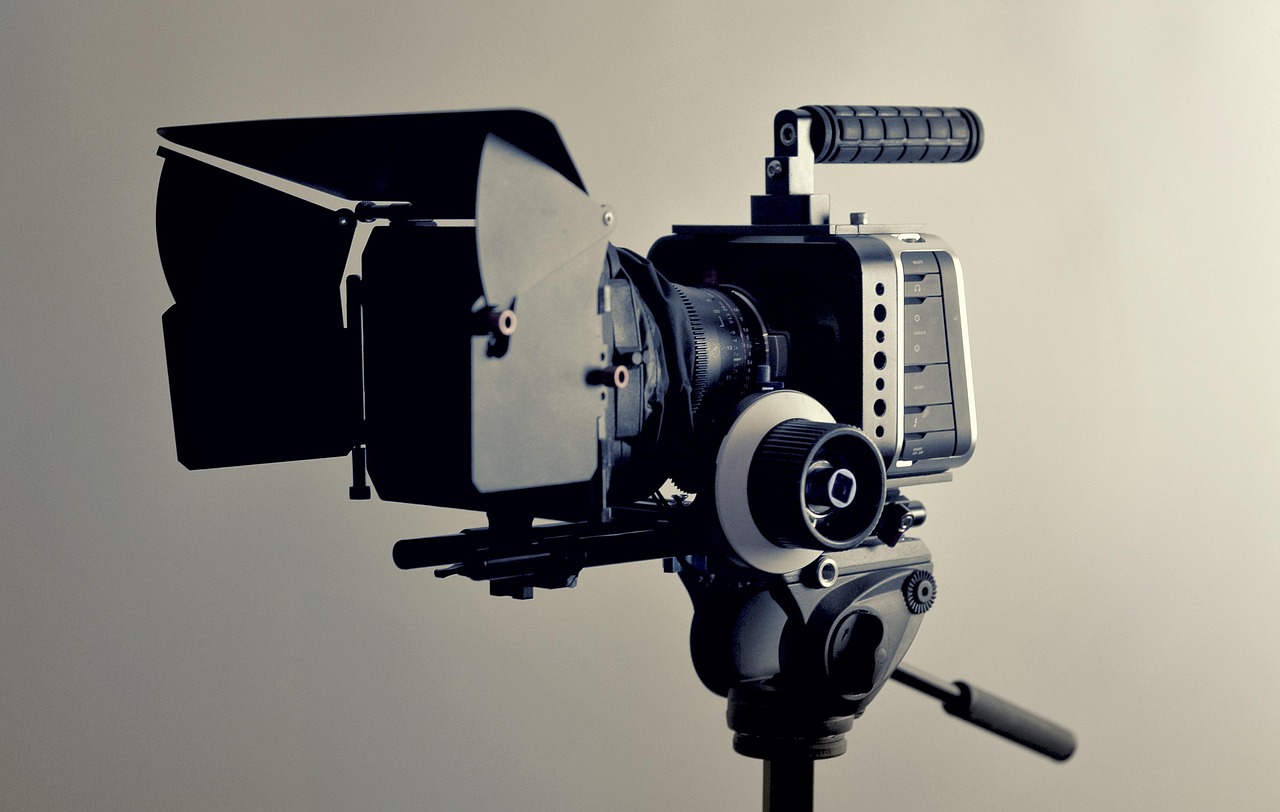
The camera is the audience’s eye. The distance, angle, and movement of the camera dictate how we feel about the subject matter.
- Low-Angle Shots: Often make a character appear powerful or intimidating.
- Long Takes: Can create a sense of realism or claustrophobia by forcing the viewer to inhabit a space without the “relief” of a cut.
Analyzing Narrative Structure
A film’s structure provides the skeleton for its emotional arc. Even non-linear or experimental films rely on specific narrative devices to keep the audience engaged.
The Three-Act Structure
Most mainstream cinema follows the traditional three-act model: Setup, Confrontation, and Resolution. Identifying these beats helps you understand how a director paces information.
- Inciting Incident: The event that kicks off the primary conflict.
- The Climax: The highest point of tension where the protagonist faces their greatest challenge.
Subtext and Dialogue
Great films rarely rely on “on-the-nose” dialogue where characters say exactly what they feel. Analytical viewers look for the subtext—the hidden meaning behind the words.
Practical Tip: Watch a scene with the sound off. If you can still understand the power dynamic between characters based on their body language and positioning, the film has successfully utilized visual subtext.
Editing and the Rhythm of Film
Editing is where the story truly comes together. The way shots are joined together—known as montage or continuity editing—controls the passage of time and the emotional intensity of the movie.
Continuity vs. Discontinuity
Most Hollywood films prioritize invisible, linear editing to keep the viewer immersed. However, directors like Jean-Luc Godard utilized “jump cuts” to disorient the audience and remind them they are watching a constructed piece of media.
Pacing and Tempo
The average shot length (ASL) in modern cinema has decreased significantly over the last 50 years. Fast-paced editing is often used in action sequences to generate adrenaline, whereas slow, deliberate cuts are used to build psychological dread or intimacy.
Sound Design and Musical Score
Sound is arguably half of the viewing experience. An analysis that ignores the auditory landscape is incomplete, as sound design can manipulate the audience’s mood more effectively than visuals alone.
Diegetic vs. Non-Diegetic Sound
- Diegetic Sound: Sounds that the characters within the film can hear (dialogue, footsteps, radio music).
- Non-Diegetic Sound: Sounds meant only for the audience (dramatic orchestral scores, voice-over narration).
Actionable Takeaway: In your next viewing, pay close attention to the absence of sound. Sudden silence after a loud, chaotic scene is a powerful tool to force the viewer to focus on a character’s internal reaction.
Thematic Interpretation and Context
Beyond the technical, films are cultural artifacts. They reflect the societal fears, politics, and values of the time and place in which they were created.
Sociopolitical Context
Consider the release date of a film. A sci-fi movie released in the 1950s often reflects Cold War anxieties, while a thriller from the 1970s may mirror the disillusionment following the Vietnam War and Watergate. Analyzing a film through its historical lens provides a deeper understanding of its thematic weight.
Symbolism and Motif
Keep an eye out for recurring images or sounds. If a specific object—like a broken watch or a recurring color—appears multiple times, it is likely acting as a symbol. A motif is this symbol repeated throughout the film to reinforce a central theme, such as mortality or decay.
Conclusion
Film analysis is a journey of discovery that never truly ends. By examining the technical mastery of cinematography, the rhythm of editing, the nuance of sound design, and the depth of narrative structure, you can elevate your viewing experience from passive entertainment to intellectual engagement. Remember, the goal of analysis is not to strip the “magic” away from the movies, but to understand exactly how that magic is constructed. Whether you are watching a silent classic or a modern blockbuster, start applying these critical frameworks today and watch as the hidden layers of your favorite films begin to reveal themselves.