From the heart-pounding tension of a suspenseful thriller to the whimsical wonder of a fantasy epic, movie scenes are the fundamental building blocks of cinematic storytelling. They are more than just moving pictures; they are meticulously crafted moments designed to provoke emotion, advance plotlines, and define characters. Understanding the anatomy of a great movie scene allows audiences to appreciate the artistry behind the screen and provides aspiring filmmakers with a blueprint for crafting their own compelling narratives.
The Anatomy of an Iconic Scene
A memorable movie scene is rarely the result of chance. It is the product of intentional collaboration between writers, directors, cinematographers, and actors. To understand what makes a scene “stick,” we must look at the structural elements that drive audience engagement.
Key Elements of Narrative Impact
- The Goal: Every character in a scene needs an objective, whether internal (a desire for love) or external (stealing a diamond).
- Conflict: A scene without conflict is a stagnant scene. It requires a hurdle that prevents the character from reaching their goal.
- The Turning Point: Successful scenes almost always shift the status quo from the beginning to the end, leaving the protagonist in a different position than where they started.
The Role of Mise-en-Scène
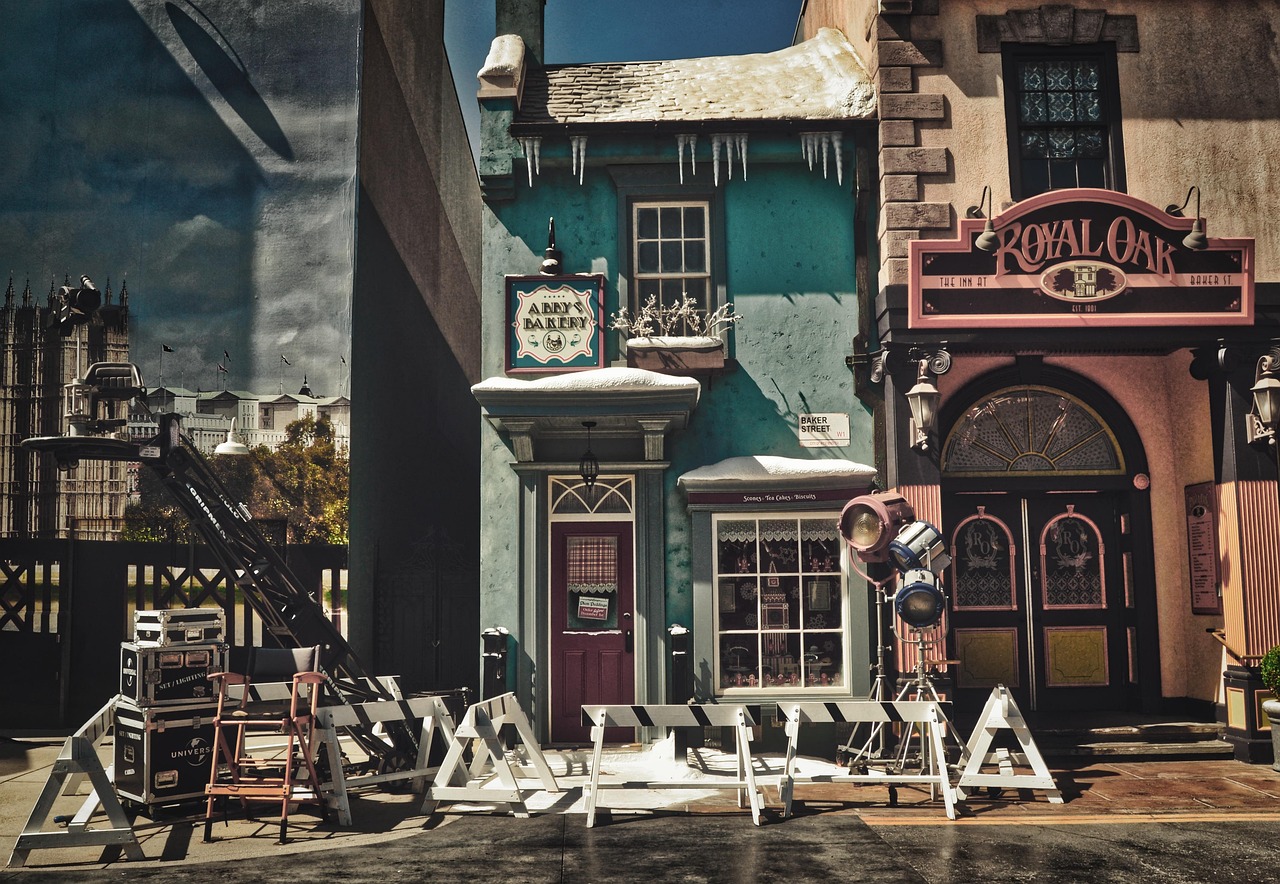
Mise-en-scène refers to everything placed within the frame. This includes lighting, costume, set design, and actor placement. For instance, the use of shadow in Film Noir is not just for style; it often signifies the moral ambiguity of the characters involved.
The Power of Visual Storytelling
Cinema is primarily a visual medium. While dialogue is essential, the most powerful movie scenes often communicate volumes through imagery, color grading, and composition alone.
Visual Metaphors and Symbolism
Directors frequently use visual cues to signal thematic depth. Consider the “Red Coat” in Schindler’s List; the sudden burst of color in a monochromatic world highlights the innocence of the individual amidst the horror of the Holocaust, serving as a powerful catalyst for the protagonist’s shift in consciousness.
Practical Tips for Visual Composition
- Use Leading Lines to draw the viewer’s eye toward the subject.
- Implement Color Theory—such as the orange-and-teal palette common in action films—to establish mood.
- Vary your Camera Angles to manipulate the audience’s perception of power (e.g., a low-angle shot makes a character appear heroic or intimidating).
Pacing and Emotional Rhythm
A great scene functions much like a musical composition; it has a rhythm, a tempo, and a climax. If a scene drags, the audience disengages. If it rushes, the emotional impact is lost.
The Art of Editing
Editing is where the movie is truly “written.” By controlling the duration of shots, an editor can manipulate time and emotional intensity. For example, the famous shower scene in Psycho utilizes rapid-fire cuts to disorient the viewer and simulate the chaotic nature of the violence.
Actionable Takeaway: Managing Tension
To master pacing, filmmakers often utilize the “build and release” method. Establish a sense of normalcy, introduce a mounting threat (the build), and resolve the immediate tension with a definitive action or reaction (the release).
Dialogue vs. Subtext
Writing great dialogue is about knowing when to speak and when to remain silent. The most effective scenes often rely on subtext—what is being said underneath the literal words.
Writing Between the Lines
In high-stakes drama, characters rarely say exactly what they feel. Instead, they deflect, negotiate, or speak in metaphors. A masterclass in this is the diner scene in Heat, where two enemies discuss their lives through professional jargon, all while maintaining a tense, mutual respect.
Tips for Better Scripting
- Listen to real-world conversations: People interrupt, stutter, and avoid direct answers.
- Strip the fluff: If a line of dialogue doesn’t reveal character or push the plot forward, cut it.
- Use Silence: Sometimes, the most powerful reaction in a scene is a character saying nothing at all.
The Legacy of Great Scenes
The impact of cinema is measured by its longevity. Iconic movie scenes become part of our collective cultural consciousness, often cited, parodied, and analyzed decades after their release.
Why Certain Scenes Become Iconic
According to film analysis data, scenes that achieve “iconic” status usually combine high-stakes emotional payoffs with technical innovations that push the boundaries of what the audience has seen before. Whether it is the slow-motion bullet time in The Matrix or the visceral intensity of the landing in Saving Private Ryan, these scenes redefine the genre standards for generations.
Conclusion
Movie scenes are the heartbeat of cinema. By balancing structural integrity, visual storytelling, deliberate pacing, and layered dialogue, filmmakers can transform fleeting moments on screen into timeless memories for the audience. Whether you are a dedicated film buff looking to enhance your viewing experience or an aspiring creative eager to hone your craft, studying the mechanics of these scenes is the first step toward mastering the art of storytelling. Remember, the next time you find yourself captivated by a scene, take a moment to break it down—you might just find the secret to cinematic greatness hidden in plain sight.