In an era defined by rapid digital transformation and shifting social priorities, the way we live is undergoing a profound evolution. Modern lifestyle trends are no longer just fleeting fads; they represent a fundamental realignment of how we balance productivity, wellness, and personal fulfillment. As we navigate the complexities of the current decade, understanding these shifts is essential for anyone looking to optimize their daily routine, cultivate deeper connections, and maintain long-term well-being. Whether it is the move toward hyper-intentional living or the integration of sustainable technologies, staying ahead of these trends can significantly enhance your overall quality of life.
The Rise of Intentional Minimalism
Minimalism has moved far beyond the aesthetic of empty white rooms. Today, it has evolved into “Intentional Minimalism,” a philosophy centered on decluttering not just physical space, but mental bandwidth and digital consumption. By focusing on quality over quantity, individuals are finding more room for the things that truly matter.
Curating Your Physical and Digital Space
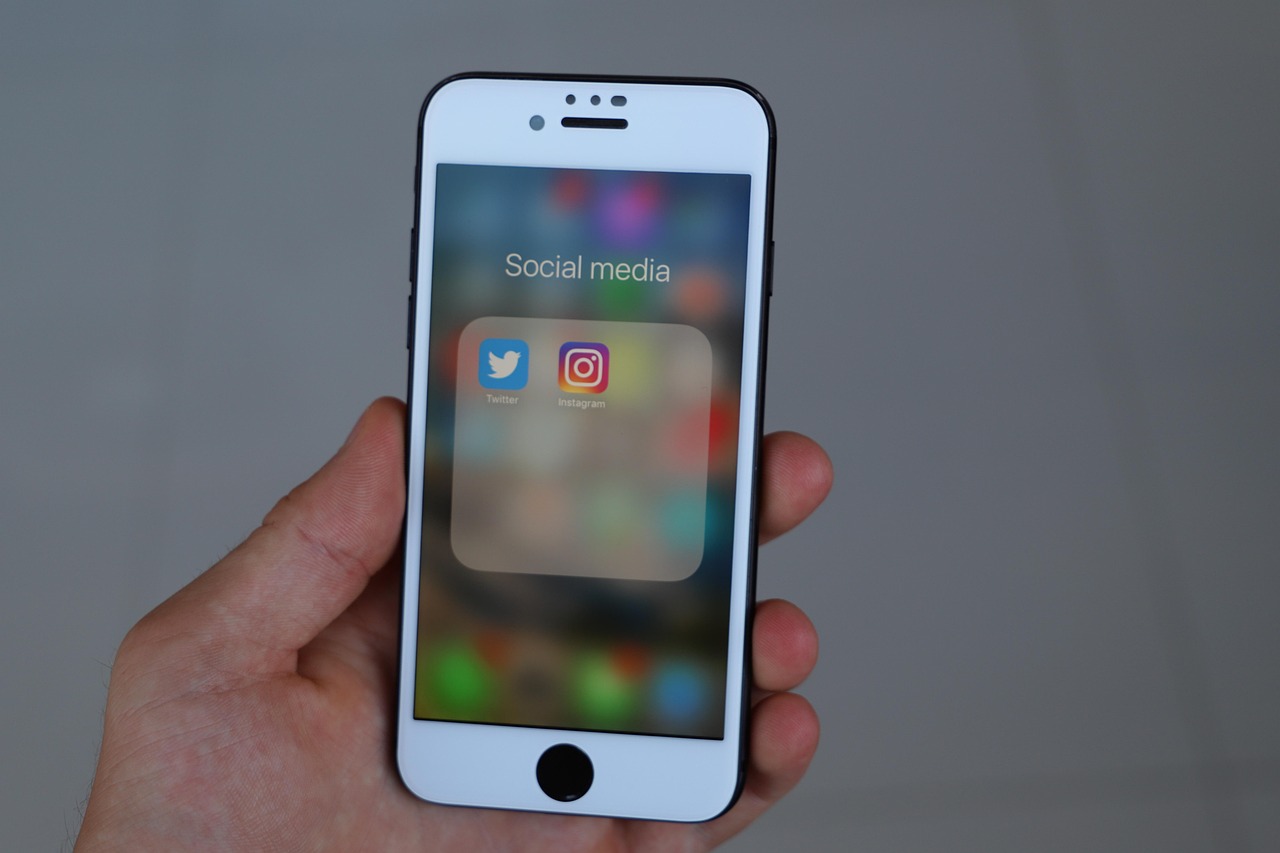
- Digital Detox: Regularly auditing apps and subscriptions to reduce notifications and screen time.
- Quality Assets: Investing in high-quality, durable goods that serve a purpose, rather than impulsive fast-fashion purchases.
- Space Optimization: Utilizing multifunctional furniture and storage solutions to create a calming home environment.
Actionable Takeaway
Perform a “Sunday Reset” where you spend 30 minutes deleting unused apps, organizing your digital desktop, and clearing one surface in your home to foster a sense of clarity for the week ahead.
Hyper-Personalized Wellness and Biohacking
The days of one-size-fits-all health advice are fading. The modern wellness movement is driven by data-backed personalization. From wearable technology to personalized nutrition, people are now taking a granular look at their own biology to optimize performance.
Leveraging Wearable Technology
- Tracking HRV (Heart Rate Variability) to gauge recovery and stress levels.
- Using continuous glucose monitors (CGM) to understand how specific foods impact energy spikes.
- Prioritizing sleep hygiene through temperature-controlled environments and smart lighting.
Practical Example
Many professionals now sync their exercise intensity with their hormonal cycles or daily energy data from their smartwatches, ensuring they don’t overtrain during periods of high work stress.
The Sustainable Lifestyle Shift
Sustainability is no longer a niche preference; it is a core value driving consumer choices. From the “circular economy” to the “low-waste” movement, individuals are becoming increasingly aware of their environmental footprint and how their daily habits influence the planet.
Key Pillars of Eco-Conscious Living
- Circular Fashion: Prioritizing thrift, resale, and garment repair over buying new.
- Plant-Forward Diets: Incorporating more plant-based meals to reduce carbon impact.
- Localism: Sourcing food and goods from local farmers and artisans to minimize transportation emissions.
Actionable Takeaway
Start small by auditing your household waste for one week. Identify the three most common items you throw away—such as plastic water bottles or paper towels—and switch to reusable alternatives.
Holistic Remote Work Culture
As remote and hybrid work models solidify, the focus has shifted toward creating a sustainable work-life integration. The goal is no longer just “work-life balance,” but rather a seamless blend that prioritizes mental health and social connection.
Creating a Thriving Home Office
- Ergonomics: Investing in adjustable standing desks and ergonomic chairs to prevent chronic pain.
- Boundary Setting: Establishing firm “end-of-day” rituals to signal the transition from professional tasks to personal time.
- Community Building: Participating in co-working spaces or hobby groups to combat the isolation of remote work.
Actionable Takeaway
Implement a “no-notification” window during your peak productivity hours to engage in deep work, and schedule short, non-negotiable breaks to move your body every 90 minutes.
Mindful Consumption and Slow Living
Amidst the “hustle culture” backlash, a growing number of people are embracing Slow Living. This trend prioritizes the process over the result, encouraging people to savor their experiences rather than racing toward the next milestone.
Elements of a Slower Pace
- Engaging Hobbies: Picking up activities that require patience, such as gardening, pottery, or analog photography.
- Single-Tasking: Moving away from multitasking to complete one task at a time with full attention.
- Nature Immersion: Spending intentional time in green spaces to reduce cortisol levels.
Actionable Takeaway
Choose one daily activity—like your morning coffee or your evening commute—and perform it without a phone, podcast, or screen. Use this time for mindful observation or internal reflection.
Conclusion
The landscape of modern lifestyle trends points toward a future defined by consciousness, data, and intentionality. By integrating these practices into your daily life, you aren’t just following a trend; you are building a resilient, adaptable framework that supports your long-term health and happiness. The key to successfully adopting these changes is to start with small, consistent actions rather than overwhelming shifts. Whether you begin by optimizing your sleep via biohacking or choosing to live more sustainably through circular habits, every step brings you closer to a life that feels authentic and deeply rewarding.