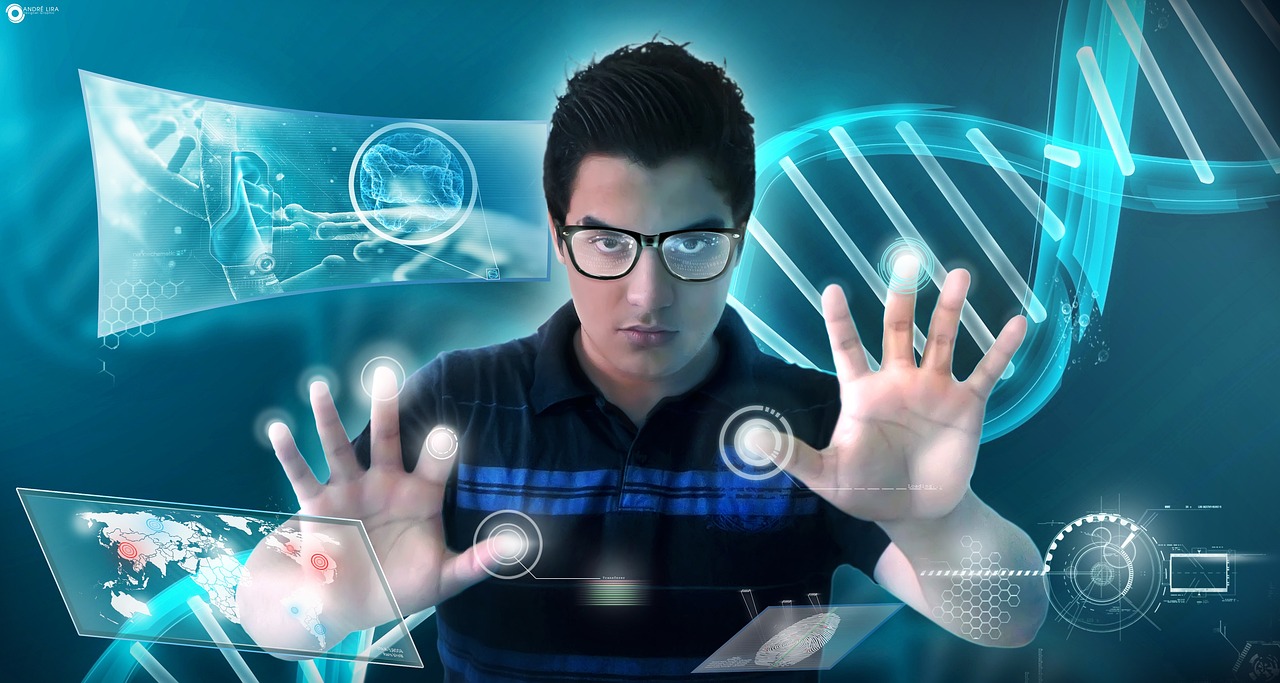
In our increasingly digital world, the lines between the physical and virtual realms are blurring faster than ever. At the heart of this transformation is the Internet of Things (IoT), a vast network of interconnected devices that collect, share, and act upon data without the need for constant human intervention. From smart thermostats that learn your schedule to industrial sensors that predict machinery failure before it happens, IoT is not just a futuristic concept—it is the backbone of modern efficiency. As we look toward a future of hyper-connectivity, understanding the impact and potential of this technology is essential for businesses and individuals alike.
Understanding the Internet of Things
Defining IoT
At its core, the Internet of Things refers to a system of interrelated computing devices, mechanical and digital machines, objects, or people that are provided with unique identifiers (UIDs). These devices have the ability to transfer data over a network without requiring human-to-human or human-to-computer interaction. The fundamental components of an IoT ecosystem include:
- Sensors/Devices: Hardware that collects data from the environment.
- Connectivity: The medium (Wi-Fi, Bluetooth, 5G, satellite) used to transmit data.
- Data Processing: Software that analyzes the data collected.
- User Interface: The dashboard or application where the end-user interacts with the system.
The Evolution of Connectivity
IoT has evolved from simple M2M (Machine-to-Machine) communication to complex, AI-driven ecosystems. With the global IoT market projected to surpass $1.5 trillion by 2027, the shift toward low-power, wide-area networks (LPWAN) and 5G has enabled faster, more reliable connections that can handle millions of devices simultaneously.
Core Applications of IoT
Smart Home Integration
The most recognizable form of IoT for consumers is the smart home. By automating daily tasks, users can save energy and improve security. Practical examples include:
- Smart Lighting: Systems that adjust brightness based on time of day or room occupancy.
- Smart Security: Doorbell cameras and locks that allow remote monitoring and access.
- Climate Control: Thermostats that sync with your phone to reduce energy consumption when you are away.
Industrial IoT (IIoT)
Often called “Industry 4.0,” IIoT is revolutionizing manufacturing. By implementing sensors across an entire factory floor, companies can achieve predictive maintenance. Instead of performing repairs on a schedule, equipment tells operators exactly when it needs service, significantly reducing downtime.
The Benefits of an Interconnected World
Increased Operational Efficiency
IoT allows for granular visibility into workflows. By monitoring assets in real-time, businesses can identify bottlenecks and optimize resource allocation. For example, supply chain companies use IoT trackers to monitor temperature and location of goods in transit, reducing spoilage and theft.
Improved Decision Making
Data is the “new oil,” and IoT devices are the wells. By gathering vast amounts of data, organizations can utilize machine learning algorithms to make data-backed decisions. Instead of relying on intuition, managers can rely on real-time analytics to adjust strategy on the fly.
Challenges and Security Considerations
Data Privacy and Security Risks
With billions of devices connected, the “attack surface” for cybercriminals has expanded. Many IoT devices ship with weak security protocols, making them susceptible to botnets and data breaches. To mitigate these risks, users should:
- Always change default passwords upon setup.
- Keep device firmware updated regularly.
- Segment IoT devices on a separate guest network.
Interoperability Hurdles
One of the biggest challenges in the IoT industry is the lack of universal standards. When devices from different manufacturers cannot communicate, it limits the functionality of the ecosystem. Projects like Matter are currently working to create a unified standard, ensuring that smart devices function together seamlessly regardless of the brand.
Future Trends in IoT
The Intersection of AI and IoT (AIoT)
The future of IoT is not just connectivity; it is intelligence. AIoT combines the data-gathering capabilities of sensors with the processing power of artificial intelligence. This allows devices to “think” for themselves—for example, a surveillance camera that doesn’t just record video but identifies suspicious activity and alerts authorities automatically.
Sustainable IoT
As sustainability becomes a global priority, IoT is being used to build “Smart Cities.” These cities use sensors to manage waste, monitor air quality, and optimize traffic flow, directly contributing to lower carbon emissions and a higher quality of life for urban residents.
Conclusion
The Internet of Things has transitioned from an experimental technology to an essential component of the modern digital landscape. By bridging the gap between physical objects and data-driven insights, IoT offers unparalleled opportunities for efficiency, safety, and innovation. While security and interoperability remain significant hurdles, the ongoing development of universal standards and AI integration signals a bright future for this technology. As you look to integrate IoT into your home or business, remember to prioritize security and focus on use cases that solve specific, measurable problems. The connected world is not coming—it is already here, and it is ready to be leveraged.