In the world of fitness, few practices offer the transformative power of strength training. Often misunderstood as a pursuit reserved solely for bodybuilders or elite athletes, strength training—also known as resistance training—is a fundamental pillar of health that benefits individuals of every age and fitness level. By challenging your muscles against external resistance, you aren’t just building a leaner physique; you are fortifying your skeletal structure, boosting your metabolism, and enhancing your long-term functional longevity.
The Physiological Benefits of Resistance Training
Improving Metabolic Health
One of the most compelling reasons to integrate strength training into your routine is its impact on your metabolism. Unlike steady-state cardio, which primarily burns calories during the activity, resistance training increases your resting metabolic rate (RMR).
- Muscle tissue is more metabolically active than fat tissue, meaning you burn more calories at rest as you increase your lean muscle mass.
- Research suggests that the “afterburn” effect, or excess post-exercise oxygen consumption (EPOC), can keep your metabolism elevated for hours after a heavy lifting session.
Bone Density and Injury Prevention
As we age, bone density naturally declines, increasing the risk of osteoporosis. Strength training acts as a stimulus for bone remodeling. According to the National Osteoporosis Foundation, weight-bearing and muscle-strengthening exercises are critical for maintaining bone mineral density.
- Practical Tip: Incorporate compound movements like squats and deadlifts, which place stress on the skeletal system and encourage bone strengthening.
Designing Your Strength Training Program
The Importance of Progressive Overload
The secret to continuous progress in the gym is the principle of progressive overload. This means gradually increasing the stress placed on your body during exercise.
- Increase the weight: Add small increments of weight to your barbell or dumbbell each week.
- Increase volume: Perform more sets or repetitions with the same weight.
- Improve form: Mastering technique allows you to recruit more muscle fibers, which is a form of progression in itself.
Frequency and Recovery
Consistency is key, but overtraining is a common pitfall. Most experts recommend strength training 3 to 4 days per week to allow for adequate recovery. Muscle growth happens during the rest period, not during the workout itself.
Essential Movements for Beginners
The Five Foundational Patterns
You don’t need a complex routine to see results. Focus on mastering these movement patterns to build a strong foundation:
- Squat: Targets quads, glutes, and core (e.g., Goblet squats).
- Hinge: Targets hamstrings and lower back (e.g., Kettlebell swings or Romanian deadlifts).
- Push: Targets chest, shoulders, and triceps (e.g., Push-ups or overhead press).
- Pull: Targets back and biceps (e.g., Lat pulldowns or dumbbell rows).
- Carry: Targets core stability and grip strength (e.g., Farmer’s walks).
Equipment Choices
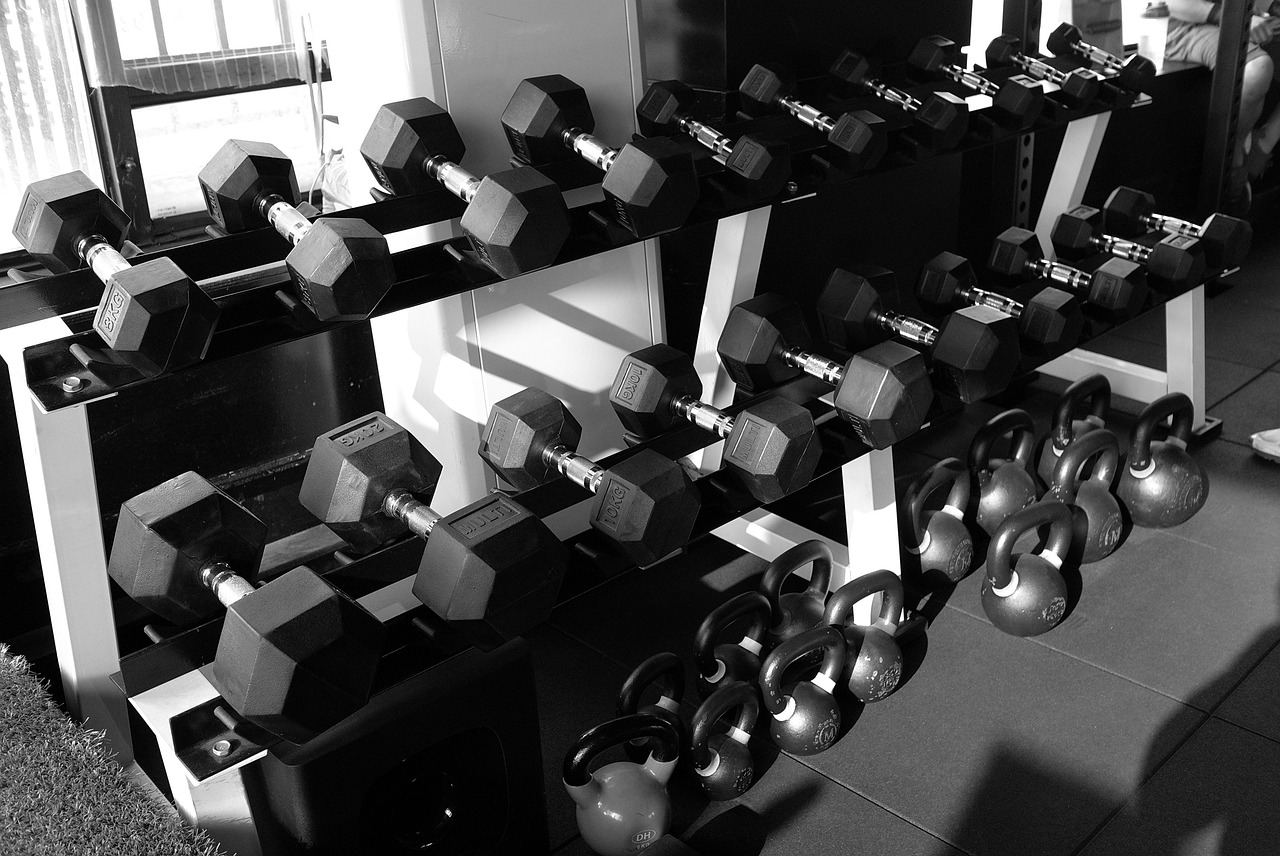
Whether you prefer a commercial gym or a home setup, keep it simple. Free weights like dumbbells and kettlebells offer more functional movement than machines, as they require your stabilizing muscles to work harder.
Nutrition and Fueling for Strength
Prioritizing Protein Intake
Protein is the building block of muscle. To repair micro-tears caused by resistance training, your body requires adequate amino acids.
- Aim for 1.6 to 2.0 grams of protein per kilogram of body weight daily.
- Include high-quality sources like lean meats, Greek yogurt, lentils, or high-quality protein powder.
Hydration and Carbohydrates
Carbohydrates are your primary fuel source for high-intensity lifting. Don’t fear them; complex carbs like oats, brown rice, and sweet potatoes provide the glycogen necessary for explosive power and endurance throughout your workout.
Conclusion
Strength training is an investment in your future self. By fostering muscle mass, improving bone density, and enhancing metabolic function, you are building a body that is not only aesthetically pleasing but also capable, resilient, and healthy for the long term. Remember that the journey to strength is a marathon, not a sprint; focus on consistent effort, proper form, and progressive improvement. Start small, stay disciplined, and enjoy the profound physical and mental rewards that come with lifting iron.