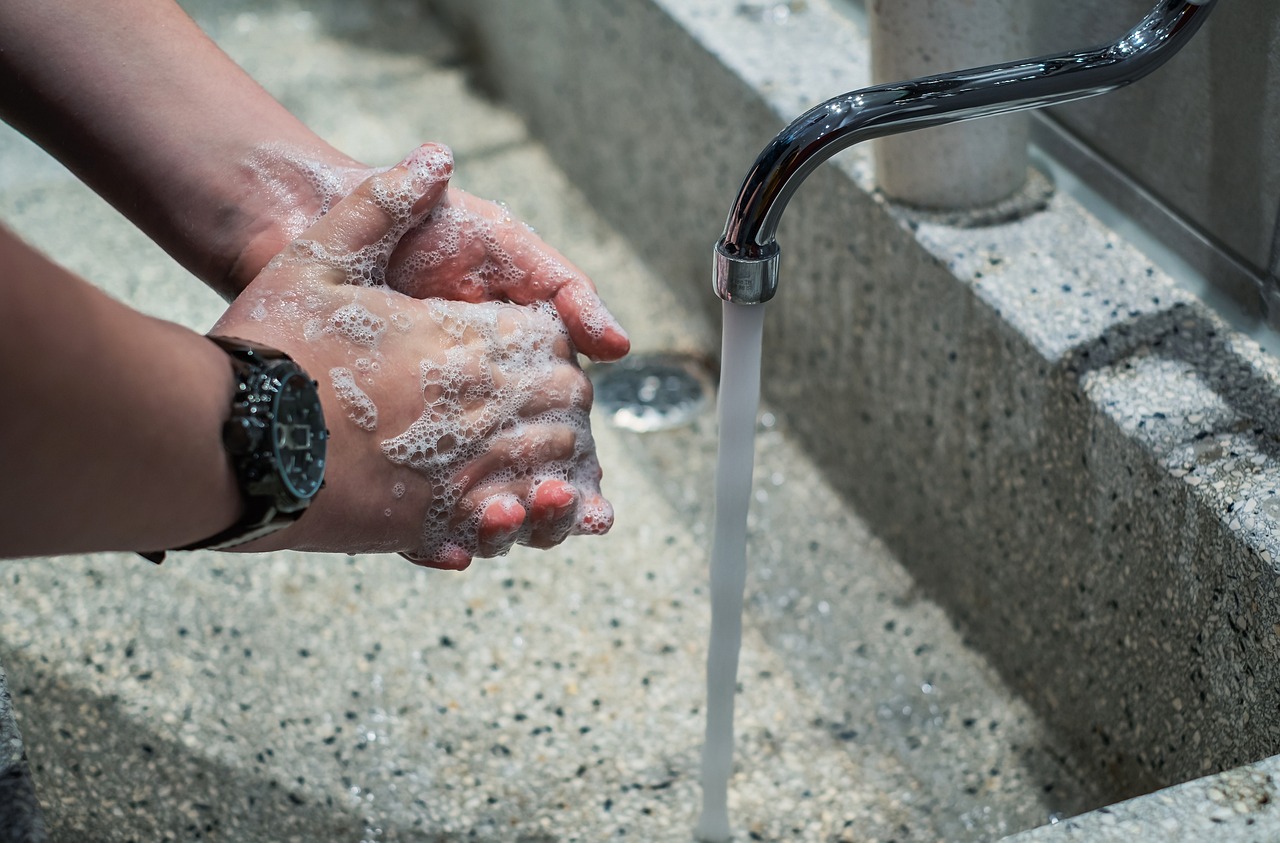
In an era defined by rapid medical advancements and an overwhelming influx of digital information, health education has emerged as the cornerstone of preventative care and personal well-being. It is no longer enough to rely solely on sporadic doctor visits; true health literacy involves understanding the complex relationship between lifestyle choices, environment, and physical outcomes. By empowering individuals with the knowledge to make informed decisions, we can shift the focus from reactive treatment to proactive wellness, ultimately reducing the global burden of chronic disease and fostering healthier communities.
The Foundational Pillars of Health Literacy
Health literacy goes beyond just reading a medical pamphlet; it is the cognitive and social skill set that determines an individual’s ability to gain access to, understand, and use information in ways that promote and maintain good health.
Why Health Literacy Matters
- Improved Patient Outcomes: Patients who understand their diagnoses are more likely to adhere to medication regimens and follow-up care.
- Reduced Healthcare Costs: Proactive self-care reduces emergency room visits and preventable hospitalizations.
- Empowered Decision Making: Knowledge allows individuals to navigate complex insurance and treatment options confidently.
Practical Applications
To improve your personal health literacy, start by practicing the “Ask Me 3” method during your next appointment:
- What is my main problem?
- What do I need to do?
- Why is it important for me to do this?
Integrating Preventive Care into Daily Life
Preventive health education focuses on mitigating risks before they manifest as chronic conditions. According to the CDC, chronic diseases such as heart disease, cancer, and diabetes are the leading causes of death and disability in the United States, yet many are largely preventable.
Key Preventive Strategies
- Routine Screenings: Keeping up with age-appropriate tests like mammograms, colonoscopies, and blood pressure checks.
- Nutritional Awareness: Understanding how macronutrients affect energy levels and long-term metabolic health.
- Physical Activity: Moving beyond “exercise” to integrate consistent, functional movement into daily routines.
Actionable Takeaway
Use technology to your advantage. Set calendar reminders for annual physicals and utilize mobile apps to track nutrition goals, ensuring that preventive care remains a habit rather than an afterthought.
The Role of Digital Health Education
The internet has democratized medical information, but it has also introduced the challenge of discerning credible data from misinformation. Digital health education is essential for navigating modern wellness trends effectively.
Evaluating Credible Sources
When researching health topics online, always verify the credentials of the source. Look for information backed by:
- Government health agencies (e.g., NIH, CDC, WHO).
- Peer-reviewed medical journals.
- Academic medical centers and university research programs.
Avoiding Medical Misinformation
Be wary of “miracle cures” or anecdotal evidence that lacks scientific backing. If a health tip sounds too good to be true, it likely is. Always cross-reference sensationalized articles with primary medical literature.
Community-Based Health Education Initiatives
Health education is most effective when it is woven into the fabric of the community. Public health initiatives aim to reach populations that may lack access to traditional clinical environments.
Examples of Successful Programs
- Workplace Wellness: Companies offering stress management workshops and ergonomic consultations to reduce absenteeism.
- School-Based Nutrition Programs: Teaching children about healthy food choices, which often leads to healthier habits at home.
- Peer Support Groups: Creating environments where individuals share experiences and health-management strategies for chronic conditions.
Making an Impact
You don’t need to be a doctor to contribute. Start by sharing verified, high-quality health resources within your own social circles or local neighborhood groups to foster a culture of wellness.
Conclusion
Health education is a lifelong process that serves as the most effective “medicine” available. By investing time in understanding how your body works, staying informed about evidence-based preventive practices, and teaching others the value of health literacy, you are taking active steps toward a longer, higher-quality life. As we continue to navigate a complex healthcare landscape, let knowledge be your primary tool for transformation. Start today by setting one specific, measurable health goal—whether it is scheduling a long-overdue checkup or committing to a new nutritional habit—and prioritize your most valuable asset: your health.