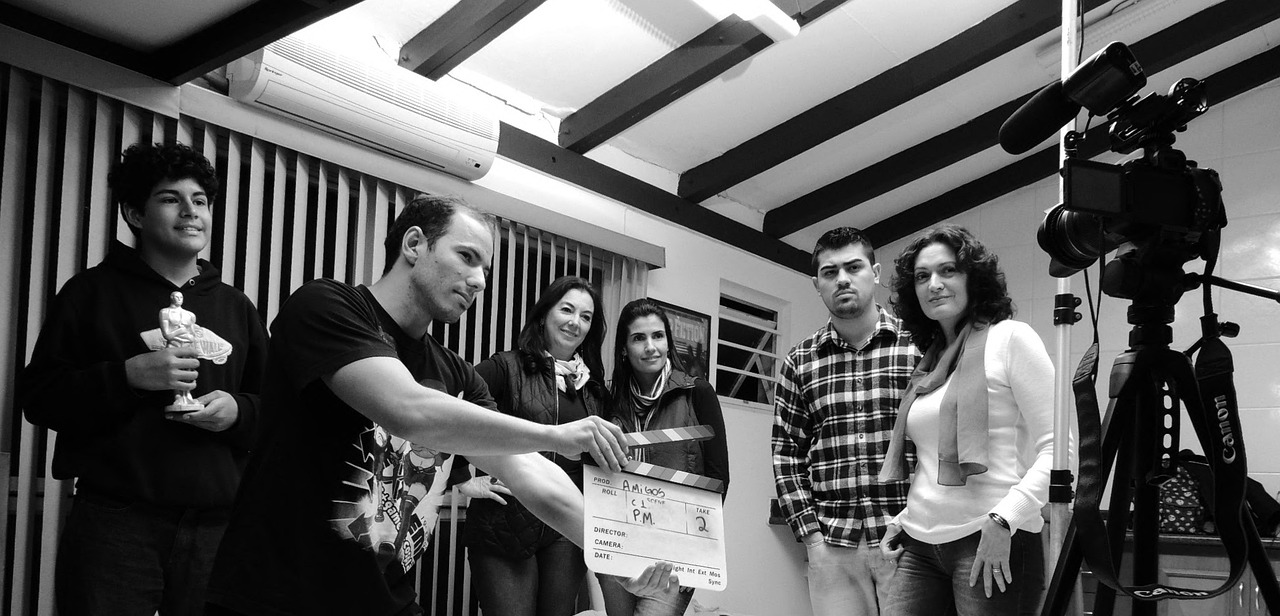
In an era dominated by high-budget franchises and global blockbusters, indie films remain the beating heart of cinematic innovation. Independent cinema—defined by films produced outside the major studio system—offers a vital platform for authentic storytelling, experimental aesthetics, and underrepresented voices. For cinephiles and aspiring filmmakers alike, indie movies represent the purest intersection of art and vision, proving that a compelling narrative often matters far more than a nine-figure budget.
The Evolution of Independent Cinema
The Rise of the Indie Movement
Independent filmmaking has come a long way from the guerrilla, low-budget productions of the mid-20th century. Historically, indie films were defined by their art-house aesthetic and limited distribution. Today, the landscape has shifted, with major festivals like Sundance, SXSW, and Cannes acting as launchpads for films that eventually capture mainstream cultural relevance.
Technology as an Equalizer
The democratization of filmmaking technology has been a game-changer. High-quality digital cameras, accessible editing software, and global streaming platforms have drastically lowered the barriers to entry.
- Digital Cinematography: Cameras like the Blackmagic or Sony mirrorless lines allow filmmakers to achieve cinematic looks on a modest budget.
- Cloud-Based Collaboration: Editing and post-production can now happen remotely, allowing global teams to work together efficiently.
- Direct-to-Consumer Distribution: Platforms like Vimeo OTT, Seed&Spark, and specialized streaming services bypass traditional gatekeepers.
The Unique Benefits of Indie Films
Creative Freedom and Artistic Integrity
Unlike studio-backed projects, which often require extensive executive oversight and focus-group testing, indie filmmakers retain creative control over their vision. This leads to bolder choices in tone, subject matter, and structure. When a director isn’t worried about the “four-quadrant audience,” they are free to explore nuanced, complex human experiences.
Authenticity in Storytelling
Indie films are frequently praised for their grounded realism. By focusing on character-driven narratives rather than spectacle, these films build a more intimate connection with the viewer.
- Diverse Perspectives: Indie cinema serves as a primary vehicle for marginalized voices, offering stories that mainstream Hollywood often overlooks.
- Risk-Taking Narratives: Experimental genres and non-linear storytelling are more common in the indie space.
- Emotional Resonance: Because the stories are often deeply personal, the performances tend to feel more raw and unfiltered.
How to Find and Support Quality Indie Films
Curated Platforms and Film Festivals
Finding great indie films requires a bit of detective work, as they don’t always have the massive marketing budgets of major sequels. The best way to stay current is to follow the festival circuit and use curated streaming services.
- MUBI: A curated platform that showcases hand-picked cinema from around the globe.
- The Criterion Channel: An essential resource for those interested in classic and contemporary independent work.
- Film Festivals: Following the winners of the Sundance or Berlin film festivals is a great way to discover rising talent.
Supporting the Ecosystem
As a viewer, your support directly impacts the viability of future indie projects. Beyond just watching, consider the following actions:
- Engage on Social Media: Word-of-mouth remains the most powerful marketing tool for smaller films.
- Attend Local Screenings: Visiting independent theaters supports the venues that provide a home for niche content.
- Crowdfunding Participation: Supporting Kickstarter or Seed&Spark campaigns allows you to be part of the production process.
The Business of Indie Filmmaking
Budgeting and Financing Strategies
The reality of independent film is that money is usually tight. Successful indie producers rely on a mix of funding sources to get their projects from script to screen.
- Grants and Labs: Organizations like the Sundance Institute or IFP (Independent Filmmaker Project) provide crucial financial support and mentorship.
- Equity Investors: Private individuals who provide capital in exchange for a percentage of potential profits.
- Pre-sales: Selling distribution rights in specific territories before the film is even completed.
The Distribution Challenge
Even a great film needs a plan for reaching its audience. For independent creators, the goal is often to secure a hybrid distribution strategy—combining a limited theatrical run with a strong digital-first release. Understanding Target Audience Profiling is essential here; knowing exactly who your niche is helps in creating targeted digital marketing campaigns that maximize return on investment.
Conclusion
Independent films are more than just a category of cinema; they are an essential ecosystem that sustains the evolution of storytelling. By championing bold voices and pushing the boundaries of what a movie can be, indie filmmakers challenge us to think differently, feel more deeply, and appreciate the art of the craft. Whether you are a fan looking for your next obsession or an aspiring filmmaker honing your skills, supporting the independent sector is an investment in the future of human culture. Dive into the world of indie cinema today—you might just find your new favorite film waiting to be discovered.