In an era dominated by high-budget blockbusters and sprawling cinematic universes, indie films remain the beating heart of creative storytelling. Independent cinema serves as the industry’s incubator, where bold visions, experimental techniques, and raw human experiences take center stage, unburdened by the pressure of billion-dollar box office returns. Whether you are a budding filmmaker looking for inspiration or a cinephile searching for your next favorite watch, understanding the indie landscape is essential for appreciating the true depth of the medium.
Defining Independent Cinema
At its core, independent cinema refers to films produced outside the major studio system. These projects are typically self-financed or backed by smaller production houses, allowing creators greater artistic autonomy. While the “indie” label was once synonymous with low-budget grit, today it encompasses a diverse range of high-quality storytelling that prioritizes vision over commercial spectacle.
Key Characteristics of Indie Films
- Artistic Freedom: Directors have more control over the final cut, resulting in a more personal and distinct directorial voice.
- Niche Storytelling: Indie films often explore themes or demographics that mainstream studios may deem “risky” or “not profitable.”
- Innovation: Smaller budgets often lead to creative problem-solving, resulting in unique cinematography, non-linear narratives, and unconventional acting styles.
The Economic Reality
While mainstream films often have marketing budgets exceeding $100 million, indie films frequently rely on word-of-mouth and grassroots movements. According to industry reports, independent films continue to dominate the festival circuit, with hits like Everything Everywhere All At Once proving that “indie” spirit can translate into massive global success.
The Evolution of Indie Filmmaking
The history of independent cinema is a story of rebellion against established norms. From the French New Wave of the 1960s to the American indie boom of the 1990s, the movement has consistently pushed the boundaries of what a movie can be.
From Underground to Mainstream
In the 1990s, companies like Miramax and Sundance Film Festival helped bring obscure, auteur-driven projects into the mainstream spotlight. This era established the “indie darling” archetype, where critically acclaimed films could achieve crossover success in traditional multiplex theaters.
Digital Transformation
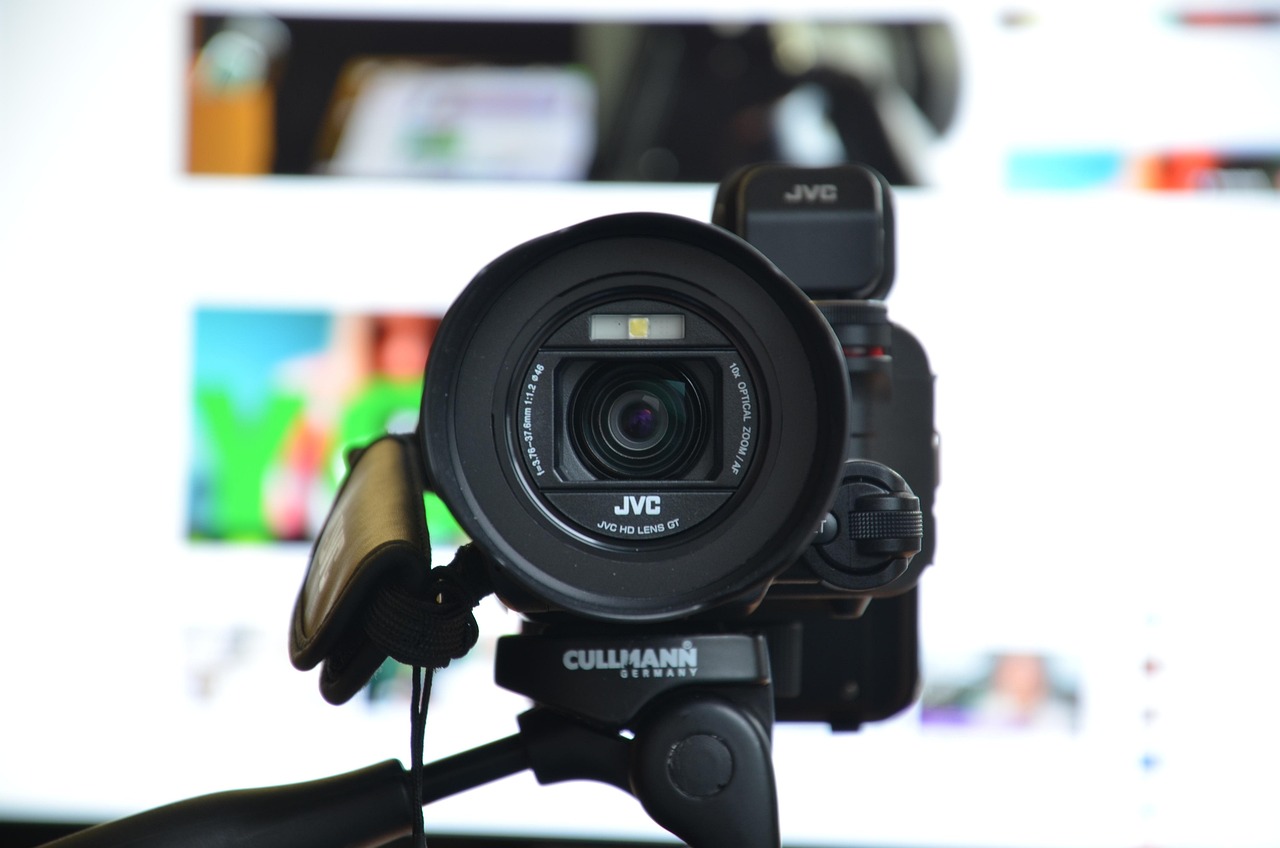
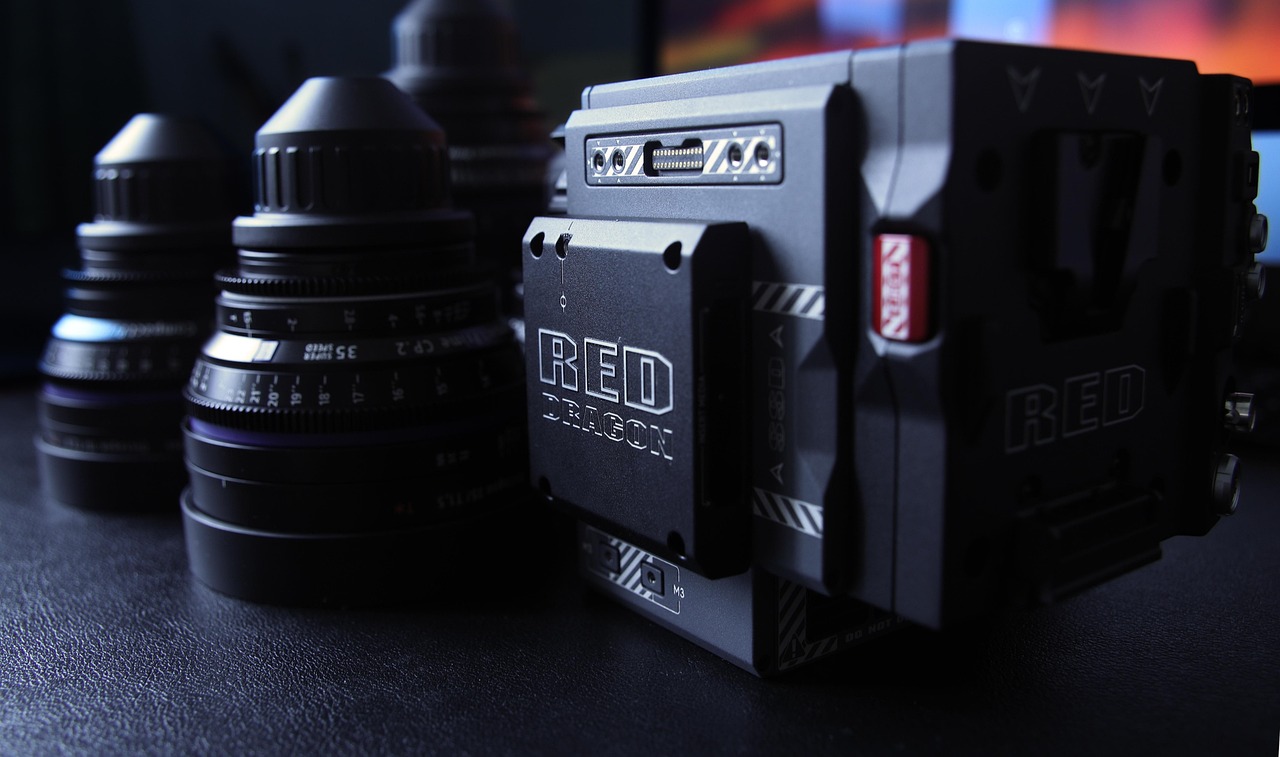
The advent of digital cameras and accessible editing software has democratized filmmaking. Today, a high-quality indie project can be captured on equipment that fits into a backpack, drastically lowering the barrier to entry for diverse creators worldwide.
Why You Should Support Indie Cinema
Supporting independent films is not just about entertainment; it is about investing in the future of the art form. When you choose to watch an indie production, you are actively fostering a more diverse and inclusive media landscape.
Benefits of Watching Indie Films
- Diverse Perspectives: You gain access to stories from underrepresented voices that are often overlooked by major studios.
- Unique Aesthetic: You encounter visual styles that break away from the “house look” typical of big-budget franchises.
- Developmental Growth: You are watching the early work of future household-name directors, writers, and actors.
Actionable Takeaways
If you want to support independent cinema, start by attending local film festivals, subscribing to boutique streaming services like MUBI or The Criterion Channel, and engaging with indie creators on social media. Your views and shares genuinely contribute to their ability to secure funding for future projects.
How to Find Quality Indie Films
With thousands of indie films released every year, finding the “hidden gems” can be a daunting task. However, by using the right resources, you can curate a viewing experience that rivals any studio-curated list.
Curated Resources for Discovery
- Film Festivals: Follow the award winners from festivals like Sundance, SXSW, TIFF, and Cannes.
- Critique and Community: Utilize platforms like Letterboxd or Rotten Tomatoes to filter for high-rated independent features.
- Indie Distributors: Keep an eye on labels like A24, Neon, and Searchlight Pictures, which have built reputations for selecting high-caliber indie projects.
Practical Tip for Viewers
Don’t just stick to the newest releases. Many incredible indie films from the 70s, 80s, and 90s are now available on streaming platforms. Use “Related Movies” features on databases to find films with similar themes or tonal qualities to those you already enjoy.
The Future of Independent Film
The future of independent cinema is bright, characterized by a fusion of technology and traditional storytelling. As global distribution becomes more fluid, creators in non-traditional filming hubs are reaching global audiences with greater ease than ever before.
Trends to Watch
- Hybrid Distribution: More indie films are utilizing day-and-date releases, premiering simultaneously in theaters and on streaming platforms to maximize reach.
- Global Co-productions: We are seeing an increase in international collaborations, allowing for a richer blend of cultural narratives.
- Sustainable Production: Green filmmaking is becoming a priority in the indie space, with many productions adopting low-impact, sustainable practices.
Conclusion
Indie films are the lifeblood of the cinema world. They challenge our perceptions, introduce us to new perspectives, and keep the art of storytelling fresh and vibrant. By making a conscious effort to seek out and support independent projects, you become an active participant in an ecosystem that values creativity over formula. Whether you are a filmmaker or a fan, the indie community invites you to look beyond the blockbuster and discover the profound power of smaller, more personal narratives. Start your journey into independent cinema today—there is a whole world of stories waiting to be discovered.