In an era dominated by rapid-fire streaming releases and CGI-heavy blockbusters, there is an enduring, quiet power found in classic cinema. These films, often preserved in archives and celebrated by cinephiles, serve as the foundational architecture for modern storytelling. Watching a classic movie is not merely an act of nostalgia; it is an exploration of the artistic techniques, social climates, and narrative innovations that shaped the medium we love today. Whether you are a casual viewer or a budding film historian, diving into the golden age of Hollywood and international cinema offers a richer perspective on the human condition.
The Enduring Appeal of Golden Age Cinema
Defining the Classic Era
The “Golden Age” of Hollywood, spanning roughly from the late 1920s to the early 1960s, is characterized by the implementation of the studio system and the perfection of classical continuity editing. These films focused on polished performances and rigid narrative structures that prioritized audience engagement through emotional resonance and moral clarity.
Why Classics Remain Relevant
- Timeless Themes: Classics tackle universal issues like love, corruption, and survival that remain as pertinent today as they were eighty years ago.
- Cinematographic Artistry: Many classics relied on practical effects and ingenious lighting (such as the use of Chiaroscuro in Noir films) to create atmosphere, proving that creativity often thrives under technical limitations.
- Iconic Performances: Actors like Humphrey Bogart, Audrey Hepburn, and Marlon Brando set the gold standard for screen presence and emotional authenticity.
Actionable Takeaway: Start your journey by watching a film from the American Film Institute’s (AFI) “100 Years…100 Movies” list to understand the benchmarks of the craft.
Navigating Essential Genres
Film Noir: The Shadowy Side of Life
Defined by its cynical tone, complex moral protagonists, and high-contrast visuals, Film Noir emerged in the 1940s. Movies like Double Indemnity and The Maltese Falcon introduced the world to the quintessential detective figure and the dangerous femme fatale.
The Screwball Comedy
Before the modern “rom-com,” there was the screwball comedy. These films, such as It Happened One Night, relied on rapid-fire dialogue, slapstick situations, and the “battle of the sexes” dynamic to keep audiences laughing.
Musical Spectacles
The era of the grand musical, epitomized by Singin’ in the Rain, showcased the immense technical skill of choreographers and performers who performed complex routines live on set.
The Evolution of Technical Mastery
From Silence to Sound
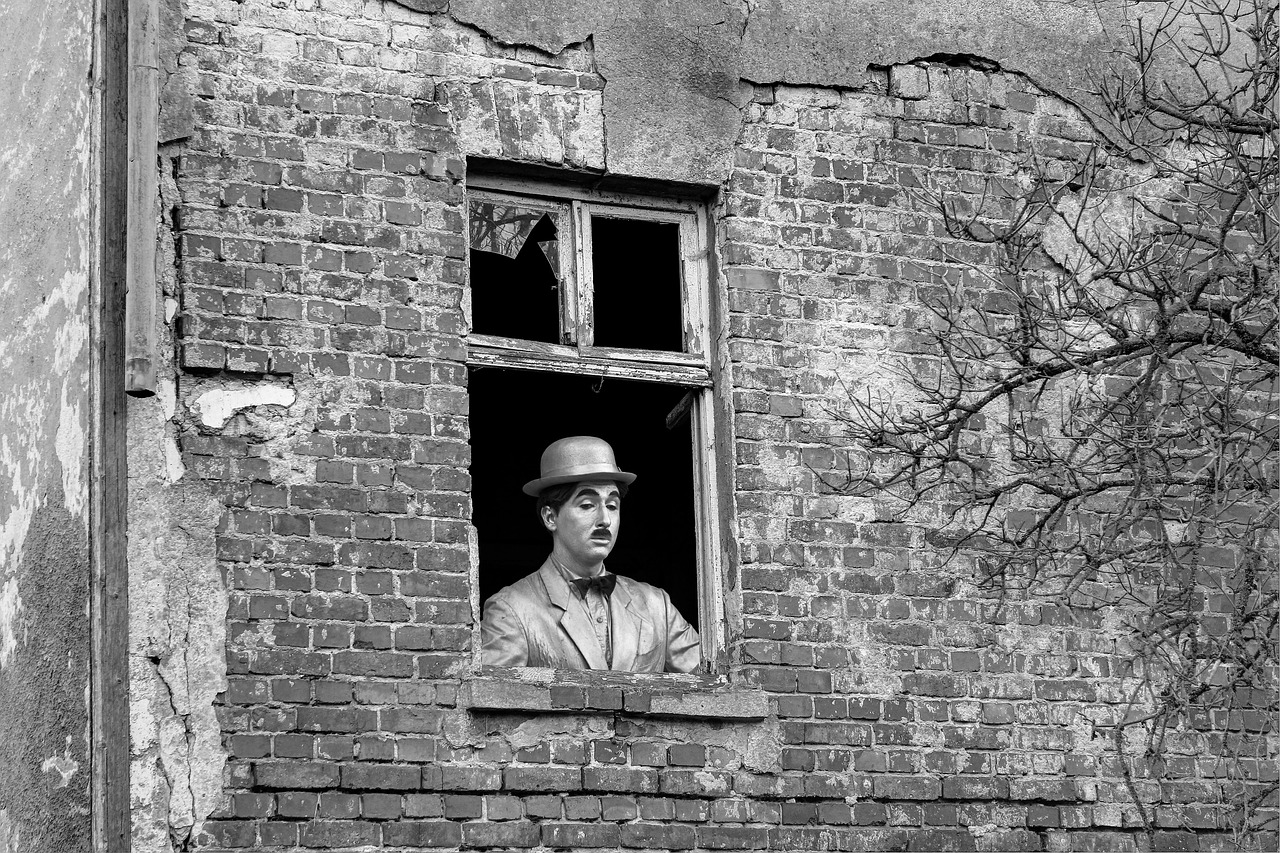
The transition from silent films to “talkies” in the late 1920s was one of the most significant shifts in history. Filmmakers had to adapt their visual acting styles to accommodate dialogue, a change that paved the way for more intimate character studies.
The Art of Black and White Cinematography
Without the distraction of color, directors of the classic era mastered the use of lighting to direct the viewer’s eye. Consider these techniques:
- Key Lighting: Creating a clear focus on the protagonist.
- Low-key Lighting: Used in horror and suspense to build tension and conceal threats in shadow.
- Depth of Focus: Techniques used in Citizen Kane to keep both the foreground and background in sharp detail, adding layers to the storytelling.
How to Start Your Classic Film Library
Streaming Services and Specialized Collections
Building a collection or a “watchlist” is easier than ever. Services like The Criterion Channel specialize in curated, high-quality restorations of classics, while platforms like TCM (Turner Classic Movies) offer historical context through expert introductions.
Tips for the Modern Viewer
- Adjust Your Pace: Older movies often move slower than modern films. Give the story time to breathe.
- Look for the Influence: Notice how modern directors like Quentin Tarantino or Martin Scorsese pay homage to specific shots or character archetypes found in films from the 40s and 50s.
- Read the Context: Understanding the historical events surrounding the release of a film—such as the Great Depression or the Cold War—provides immense insight into the themes being explored.
The Cultural Impact and Preservation
The Importance of Film Restoration
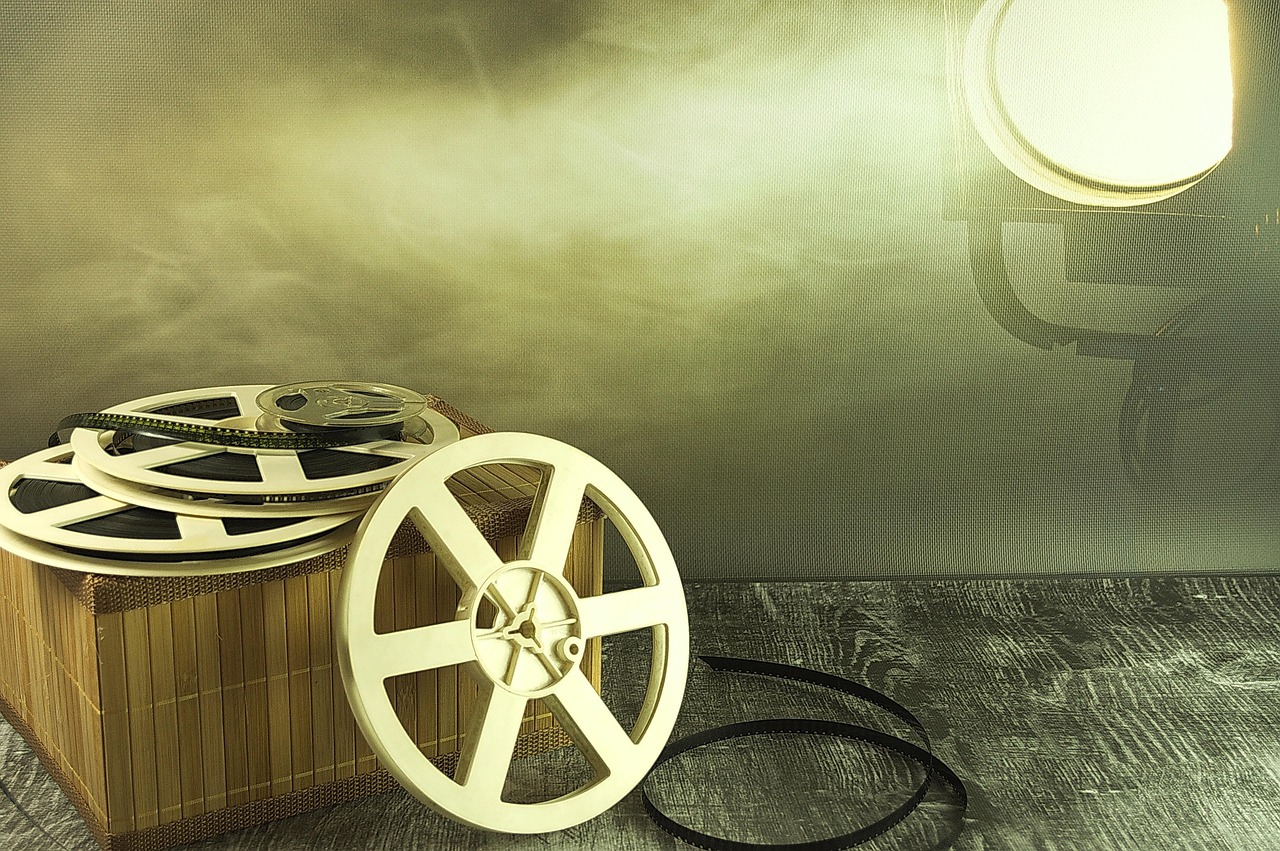
Film is a fragile medium. Many classics were nearly lost due to the degradation of nitrate film stock. Organizations like the Academy Film Archive work tirelessly to digitize and preserve these works, ensuring that future generations can experience the original intent of the filmmakers.
Why We Must Keep Watching
Statistics from the Motion Picture Association suggest that while modern audiences prioritize current trends, there is a consistent, growing interest in “legacy content” among younger demographics. By keeping these movies alive, we preserve the language of film itself. If we stop engaging with the classics, we lose the context for the cinematic innovations we enjoy today.
Conclusion
Classic movies are far more than just relics of the past; they are the bedrock of global culture. By exploring the depth of Film Noir, the charm of the Screwball Comedy, and the technical mastery of early sound cinema, you are not just watching a movie—you are participating in a decades-long conversation about art, storytelling, and humanity. Whether you start with a legendary drama or a lighthearted musical, the world of classic film offers a rewarding experience that will undoubtedly change the way you watch modern movies forever. So, pull up a seat, dim the lights, and prepare to discover a timeless masterpiece.