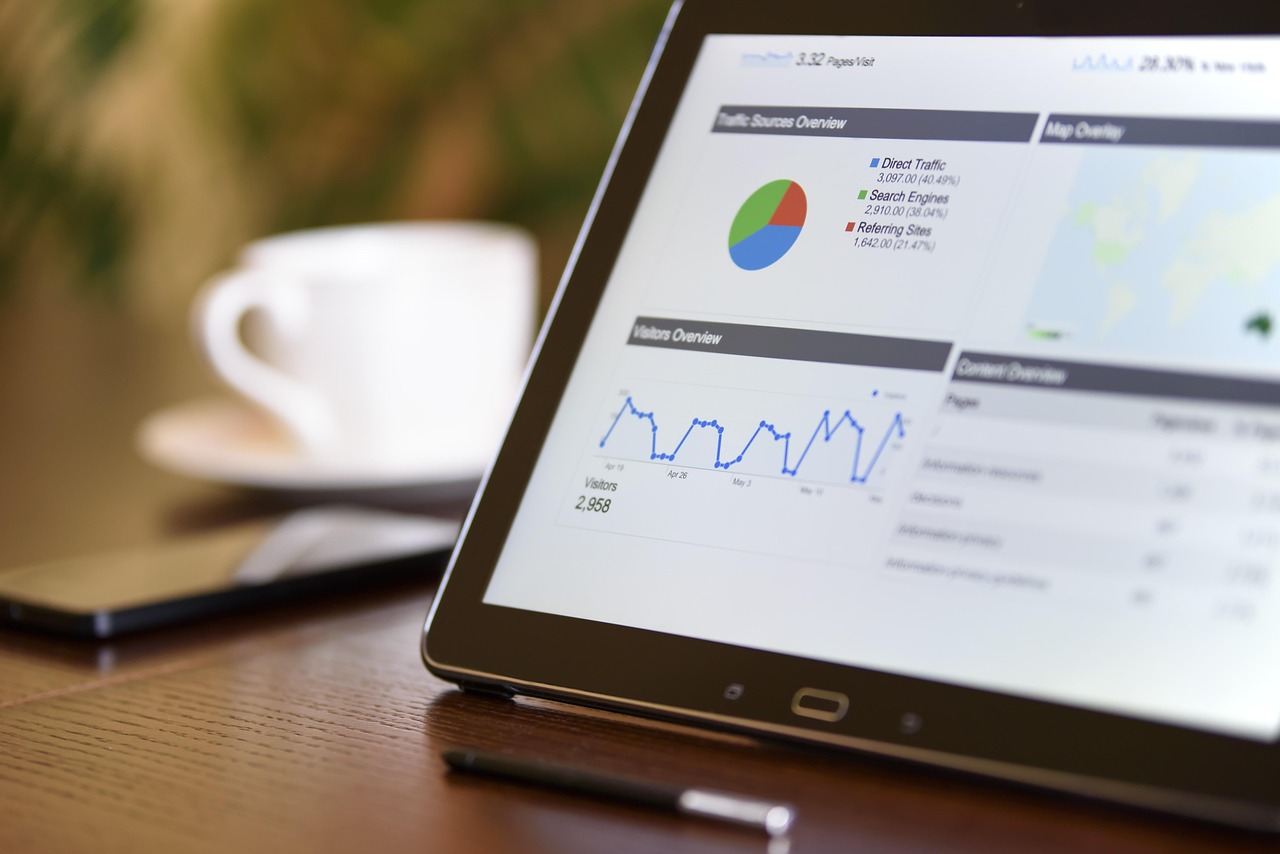
In the digital age, a website or application is often the first point of contact between a brand and its audience. While many assume that design is merely about aesthetic appeal, the reality is far more nuanced. UI (User Interface) and UX (User Experience) design are the twin pillars that determine whether a user stays to explore your content or bounces to a competitor in seconds. Mastering these disciplines is not just about making things look “pretty”—it is about solving problems, simplifying complex flows, and creating intuitive journeys that turn casual visitors into loyal customers.
The Fundamental Differences Between UI and UX Design
Defining UX Design
User Experience (UX) design is the process of creating products that provide meaningful and relevant experiences to users. It involves the design of the entire process of acquiring and integrating the product, including aspects of branding, design, usability, and function.
- Research-driven: Focuses on user personas, journey mapping, and empathy.
- Problem-solving: Aimed at making a product useful and easy to navigate.
- Logic-focused: Concentrates on the structural flow and information architecture.
Defining UI Design
User Interface (UI) design focuses on the look and feel of the digital product. It is the bridge between the user and the digital system, ensuring that the visual elements are aesthetically pleasing and responsive.
- Visual-driven: Focuses on color palettes, typography, and spacing.
- Interactive: Handles buttons, animations, and form fields.
- Brand-consistent: Ensures the interface reflects the brand identity across all screens.
Why UI/UX Design is Critical for Business Success
The ROI of Design Thinking
Research from the Design Management Institute indicates that design-led companies outperformed the S&P 500 by 211% over a ten-year period. Investing in UI/UX is not just a creative choice; it is a strategic business move.
- Increased Conversion Rates: A well-designed call-to-action (CTA) can increase conversions by up to 200%.
- Reduced Development Costs: Addressing usability issues during the prototyping phase is significantly cheaper than fixing bugs after the product has launched.
- Customer Loyalty: A seamless, frustration-free experience creates an emotional connection, fostering long-term brand advocacy.
Practical Takeaway
When starting a project, conduct A/B testing on different button placements. Small adjustments, such as changing the color or placement of a “Sign Up” button, can yield measurable differences in user interaction.
Key Principles of Effective UI/UX Design
Hierarchy and Clarity
Users typically scan content rather than reading it word-for-word. Good design uses visual hierarchy to guide the user’s eye toward the most important elements first, such as headers, primary buttons, and value propositions.
- Scale and Size: Larger elements are perceived as more important.
- Whitespace: Using negative space prevents cognitive overload and highlights core content.
- Consistency: Using a uniform design system ensures the user doesn’t have to “re-learn” how to interact with your site as they navigate between pages.
Responsiveness and Accessibility
In a mobile-first world, your design must be fluid. Furthermore, accessibility is not just a legal requirement but a design best practice.
- Ensure high color contrast for visually impaired users.
- Implement touch-friendly target sizes for mobile users (at least 44×44 pixels).
- Include descriptive alt text for images to assist screen readers.
Modern Trends in UI/UX Design
Dark Mode and Neumorphism
Trends in UI are constantly evolving to keep up with user expectations for comfort and novelty. Current favorites include:
- Dark Mode: Reduces eye strain and saves battery life on OLED screens.
- Micro-interactions: Small animations that provide immediate feedback when a user performs an action (e.g., a “like” heart animation or a subtle button press).
- Voice User Interface (VUI): Integrating voice commands into the navigation flow for a hands-free experience.
Actionable Tip
Before jumping on a trend, ask yourself: “Does this improve the user’s flow, or does it add unnecessary friction?” Always prioritize functionality over decoration.
Best Practices for Your Design Workflow
Collaboration Between UI and UX
The best products are built when designers work in tandem. The workflow should ideally follow these stages:
- Discovery: Gather requirements and conduct user interviews.
- Wireframing: Map out the skeleton of the product without visual elements.
- Prototyping: Create an interactive model that mimics the final product functionality.
- Usability Testing: Observe real users interacting with your prototype to identify pain points before coding begins.
Conclusion
UI and UX design are the silent engines of digital growth. While the UX provides the roadmap for a frictionless journey, the UI provides the visual cues that make that journey enjoyable and on-brand. By prioritizing user research, maintaining a clean visual hierarchy, and staying committed to accessibility, you can build products that are not only functional but also memorable. As technology continues to evolve, the goal remains the same: create digital experiences that feel human, intuitive, and efficient. Start by auditing your current platform today—identify one point of friction in your user journey and simplify it. Your users, and your bottom line, will thank you.