Embarking on a weight loss journey is often viewed as a daunting challenge, but it is ultimately one of the most rewarding investments you can make in your long-term health and well-being. Sustainable weight management is not about restrictive fad diets or punishing exercise regimens; it is about cultivating a balanced lifestyle that respects your body’s unique needs. By shifting your focus from short-term fixes to long-term habits, you can achieve your goals while enhancing your energy, mood, and overall quality of life. This guide outlines the science-backed strategies to help you navigate the path to a healthier you.
The Science of Sustainable Caloric Balance
Understanding Energy Expenditure
Weight loss fundamentally relies on the principle of a caloric deficit—burning more energy than you consume. However, it is essential to understand that your body consumes energy in three primary ways:
- Basal Metabolic Rate (BMR): The energy your body burns at rest to maintain vital functions.
- Thermic Effect of Food (TEF): The energy used to digest, absorb, and process the nutrients in your meals.
- Physical Activity: Both structured exercise and non-exercise activity thermogenesis (NEAT), such as walking or fidgeting.
Creating a Healthy Deficit
To lose weight safely, aim for a modest deficit of 300 to 500 calories per day. This typically results in a sustainable weight loss of 0.5 to 1 pound per week. Avoid extreme calorie restriction, as this can trigger a metabolic slowdown and muscle loss.
Nutritional Strategies for Fat Loss
Prioritizing Protein Intake
Protein is the most important nutrient for weight loss. High-protein diets can boost your metabolic rate and significantly reduce appetite. Studies show that protein increases satiety hormones while reducing hunger hormones.
- Lean Poultry: Chicken breast and turkey.
- Plant-Based Options: Lentils, chickpeas, and tofu.
- Seafood: White fish and salmon for omega-3 benefits.
Focusing on Whole, Fiber-Rich Foods
Fiber is essential for digestion and keeping you full longer. Prioritize whole, unprocessed foods over refined carbohydrates. Aim to fill half your plate with non-starchy vegetables like broccoli, spinach, or zucchini at every meal.
The Role of Physical Activity
Strength Training for Metabolic Health
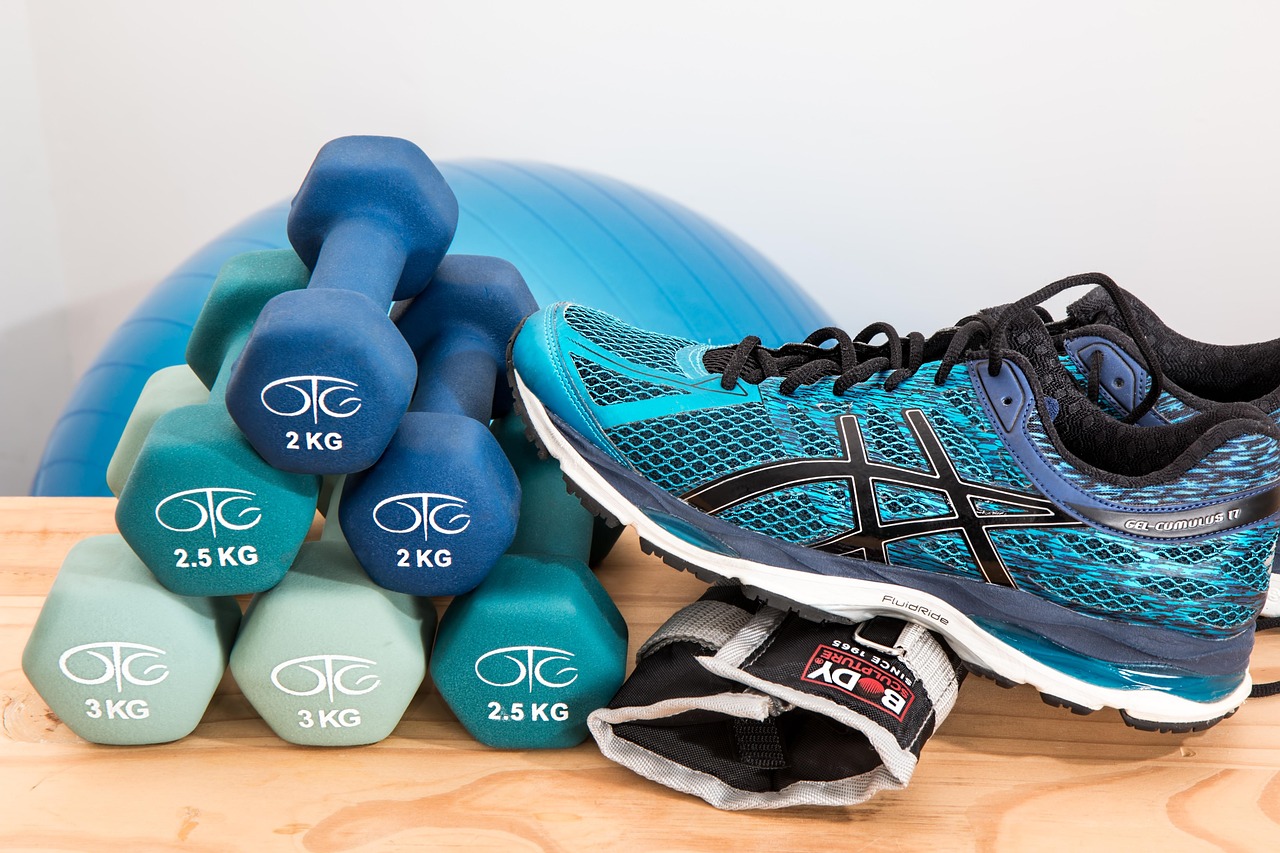
While cardio is excellent for heart health, resistance training is critical for weight loss. Building muscle increases your BMR, meaning you burn more calories even while you are sleeping. Try to incorporate strength training at least three times a week using body weight, resistance bands, or free weights.
The Power of Daily Movement (NEAT)
Small, consistent movements throughout the day add up. Increasing your step count is one of the most effective ways to burn extra calories without the physical stress of intense training.
- Take the stairs instead of the elevator.
- Use a standing desk for part of your workday.
- Take a 10-minute walk after every meal to improve digestion and blood sugar control.
Mindset, Sleep, and Stress Management
The Connection Between Sleep and Weight
Sleep deprivation is a hidden culprit in weight gain. When you are sleep-deprived, your body produces more ghrelin (the hunger hormone) and less leptin (the fullness hormone). Aim for 7–9 hours of quality sleep per night to keep your hormones balanced and your willpower strong.
Managing Cortisol Levels
High levels of chronic stress lead to elevated cortisol, which can promote fat storage, particularly in the abdominal area. Incorporate stress-reduction techniques into your daily routine:
- Daily meditation or deep breathing exercises.
- Engaging in hobbies that promote relaxation.
- Limiting excessive caffeine, which can exacerbate stress responses.
Tracking Progress Beyond the Scale
Using Multiple Metrics
The scale is only one tool and can often be misleading due to fluctuations in water weight or muscle gain. Instead, monitor your progress using these indicators:
- Body Measurements: Tracking waist circumference is often more accurate than weight for assessing fat loss.
- Clothing Fit: Notice how your clothes feel; a looser fit is a sign of body recomposition.
- Energy Levels: Improved stamina and reduced midday fatigue are major indicators of a healthier metabolic state.
- Performance Goals: Tracking how much more weight you can lift or how much further you can run.
Conclusion
Successful weight loss is a marathon, not a sprint. By focusing on sustainable nutrition, regular movement, and essential lifestyle factors like sleep and stress management, you create an environment where your body can thrive. Remember, perfection is not the goal; consistency is. Small, incremental changes are far more effective than radical, short-term transformations. Start by choosing one or two strategies from this guide to implement today, and you will be well on your way to achieving a healthier, more vibrant version of yourself.