In today’s fast-paced world, maintaining a consistent fitness routine can often feel like a logistical challenge. Between long commutes, demanding work schedules, and family responsibilities, finding an hour to travel to a gym is not always feasible. Fortunately, the rise of the home workout has proven that you don’t need expensive equipment or a dedicated fitness center to achieve your health goals. Whether you are looking to build muscle, improve cardiovascular health, or simply increase your daily activity levels, transforming your living space into a personal gym is an efficient, cost-effective, and empowering solution.
## The Benefits of Home-Based Fitness
Convenience and Time Management
The primary advantage of working out at home is the elimination of travel time. Statistics show that the average gym-goer spends approximately 30 minutes commuting to and from their facility. By exercising at home, you reclaim that time, making it significantly easier to adhere to a consistent schedule.
- Zero Commute: Transition from your workstation to your workout instantly.
- Flexible Scheduling: Exercise at 5:00 AM or 10:00 PM without worrying about facility opening hours.
- No Wait Times: You never have to wait for a squat rack or a cardio machine to become available.
Cost-Effectiveness
Gym memberships can range from $30 to over $200 per month. Over a year, this adds up to a significant financial investment. Creating a home gym can be done on almost any budget, ranging from zero-cost bodyweight routines to a modest investment in versatile equipment like resistance bands or dumbbells.
## Essential Gear for Every Budget
The Zero-Equipment Foundation
You do not need heavy machinery to see results. Bodyweight training—or calisthenics—uses gravity as your primary resistance. Exercises such as push-ups, squats, lunges, and planks are fundamental for building functional strength and endurance.
Recommended Minimalist Equipment
If you want to add variety and progressive overload to your routine, consider adding these compact, affordable tools:
- Resistance Bands: Lightweight and perfect for strength training; they provide tension throughout the entire range of motion.
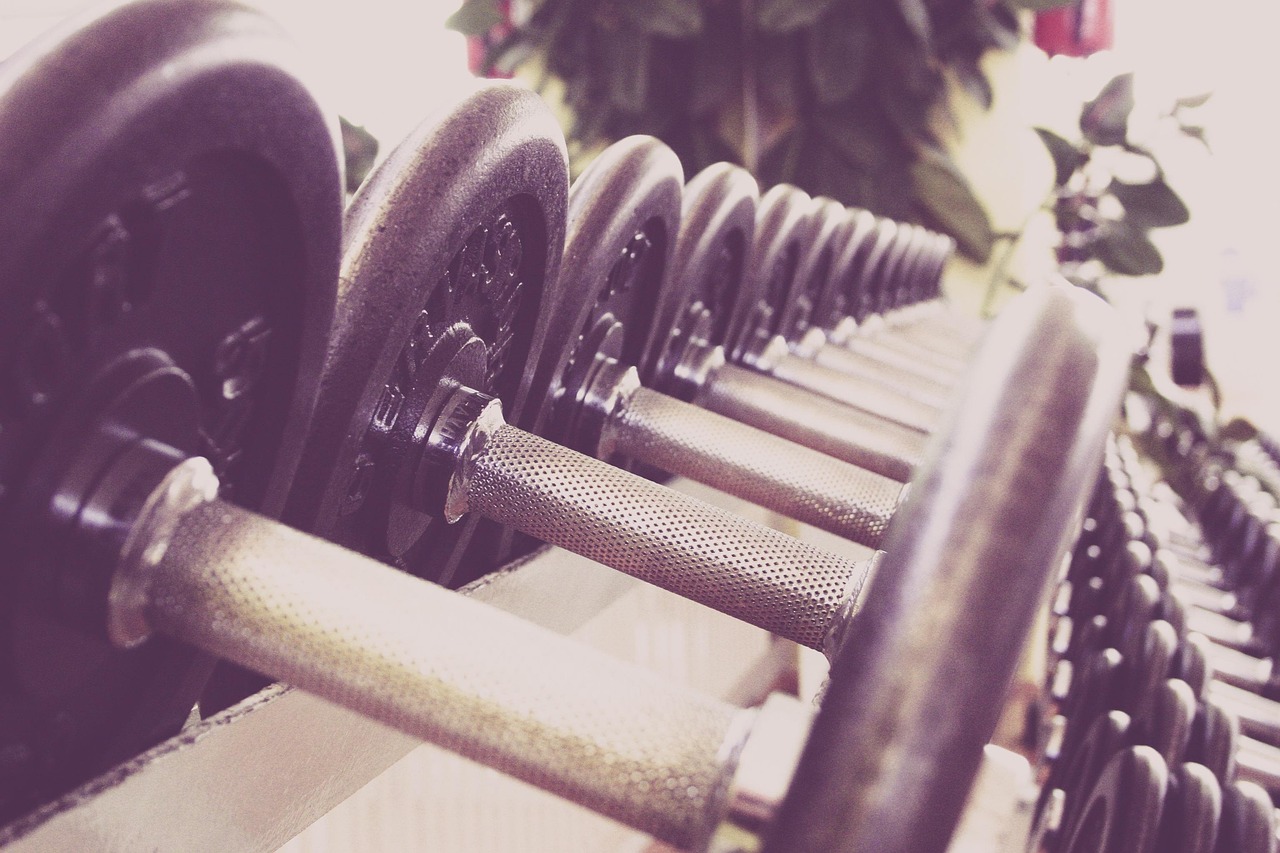
- Adjustable Dumbbells: A space-saving alternative to a full rack of weights, allowing you to increase load as you get stronger.
- Yoga Mat: Essential for protecting your joints during floor work and providing a stable, non-slip surface.
- Jump Rope: One of the most effective tools for cardiovascular conditioning that takes up almost no storage space.
## Designing Your Weekly Routine
Balancing Strength and Cardio
A well-rounded home workout program should include both strength training and aerobic activity. The American Heart Association recommends at least 150 minutes of moderate-intensity aerobic activity or 75 minutes of vigorous activity per week, along with two days of strength training.
- Monday: Full-body strength (Push-ups, squats, lunges, planks).
- Tuesday: Low-impact cardio (Brisk walking, jumping rope, or HIIT).
- Wednesday: Active recovery (Yoga or light stretching).
- Thursday: Strength training focusing on different variations.
- Friday: Full-body circuit training.
- Saturday/Sunday: Rest or light recreational movement.
Applying Progressive Overload
To see physical changes, you must challenge your body over time. Progressive overload simply means gradually increasing the difficulty of your workouts. You can achieve this by increasing the number of repetitions, decreasing rest time, or performing more complex variations of a standard move (e.g., transitioning from a kneeling push-up to a standard push-up).
## Creating the Right Environment
Minimizing Distractions
Working out at home requires focus. Treat your exercise time as a non-negotiable appointment. Communicate with family or roommates about your workout window and try to keep your exercise space clear of clutter. A tidy area promotes a clearer, more focused mindset.
Motivation and Tracking
Tracking your progress is essential for long-term consistency. Whether you use a digital app or a physical notebook, recording your weights, reps, and how you felt during the session provides visual proof of your improvement. This data is often the best motivator when results feel slow to appear.
## Safety and Injury Prevention
The Importance of Proper Form
Without a trainer to correct your posture, you must be hyper-aware of your movement patterns. Use mirrors to check your form, or record videos of yourself performing exercises to compare your technique against professional demonstrations online. Never sacrifice form for speed or weight.
- Warm-up: Always spend 5-10 minutes mobilizing your joints before starting intense movement.
- Listen to your body: Distinguish between “muscle burn” (productive) and “sharp pain” (potentially injurious).
- Cool-down: Static stretching after your session helps improve flexibility and aids in recovery.
## Conclusion
Embracing home workouts is about more than just convenience; it is about taking full ownership of your health and fitness journey. By removing the barriers of travel and high costs, you allow yourself the freedom to build a routine that fits seamlessly into your lifestyle. Whether you start with just ten minutes of movement a day or dedicate yourself to a structured strength program, the key is consistency. Start small, stay committed, and remember that the most effective workout is the one that you actually do. By preparing your space, tracking your progress, and prioritizing safety, you can achieve world-class results from the comfort of your own home.