In an era defined by rapid-fire digital content and fleeting social media clips, the documentary film remains a profound anchor, grounding us in the complexities of the human experience. Beyond mere entertainment, documentaries serve as essential tools for education, social advocacy, and historical preservation. By turning an objective lens toward the subjective realities of our world, these films bridge the gap between disparate cultures and highlight urgent global issues that might otherwise remain in the shadows. Whether you are an aspiring filmmaker, a student of cinema, or a curious viewer, understanding the mechanics and impact of documentary filmmaking is the first step toward appreciating the most powerful medium of our time.
The Evolution of Documentary Filmmaking
From Actualities to Modern Cinema
The documentary genre has undergone a remarkable transformation since the “actualities” captured by the Lumière brothers in the late 19th century. Initially, non-fiction films were short, static clips of everyday life. Today, they have evolved into high-budget, narrative-driven pieces that utilize sophisticated cinematography and editing techniques to rival major motion pictures.
The Digital Democratization
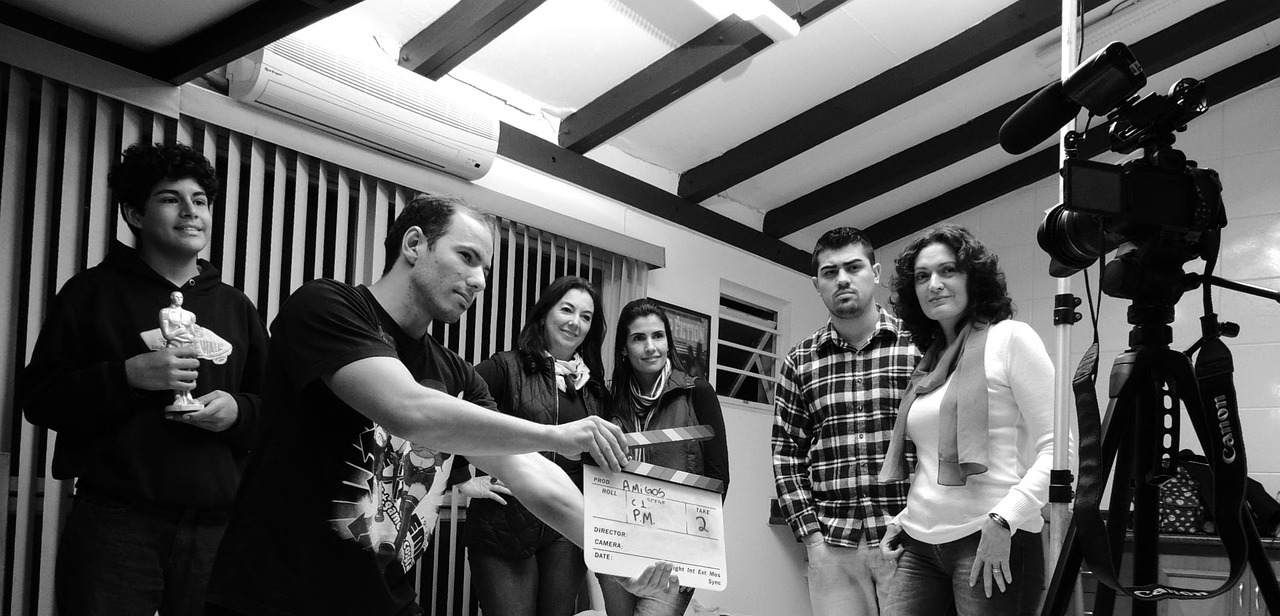
The rise of digital technology has fundamentally shifted how documentaries are produced and distributed. With high-quality cameras now accessible to the masses, the barrier to entry for documentary filmmakers has never been lower.
- Accessibility: Filmmakers can capture professional-grade footage on smartphones and mirrorless cameras.
- Distribution: Platforms like Netflix, Hulu, and YouTube have created a global stage for independent documentaries that might have otherwise never reached an audience.
- Crowdfunding: Tools like Kickstarter and Indiegogo allow creators to bypass traditional studio funding models.
Key Styles and Subgenres
Observational and Direct Cinema
Often referred to as “fly-on-the-wall” filmmaking, this style avoids interviews and voiceover narration, allowing events to unfold naturally. A classic example is Harlan County, USA, which embeds the viewer directly into the heart of a coal miners’ strike.
The Expository and Performative Approach
These styles prioritize a clear argument or personal perspective. Expository documentaries often use a “Voice of God” narrator to guide the audience through facts, while the performative style, seen in films like Super Size Me, places the filmmaker at the center of the experiment to emphasize their personal connection to the subject.
The Social Impact of Non-Fiction Media
Documentaries as Catalysts for Change
Documentaries do more than report; they ignite social movements. By humanizing systemic problems, these films often drive policy changes and public awareness. Studies show that a significant percentage of documentary viewers are more likely to donate to causes or change their consumption habits after watching a film centered on a specific social justice issue.
How to Measure Impact
Filmmakers often track “impact metrics” to gauge the effectiveness of their work:
- Legislative Change: Has the film been cited in congressional hearings or local town halls?
- Cultural Shift: Are there measurable changes in public discourse regarding the documentary’s subject?
- Charitable Engagement: Have viewers contributed to associated non-profits or community initiatives?
Practical Tips for Aspiring Documentary Filmmakers
Storyboarding Your Reality
Even in the unscripted world, preparation is vital. Before you start shooting, create a “treatment” or a script outline. This ensures you know the core question your film is asking, even if the answers change throughout production.
Ethical Considerations
When documenting the lives of others, ethical integrity is non-negotiable. Always obtain informed consent and ensure that you are representing your subjects with honesty and respect. A documentary is a partnership, not an extraction of content.
The Future of Documentary Consumption
The Rise of Docuseries
The binge-watching culture has turned the documentary series into a juggernaut. Shows like Making a Murderer or The Last Dance demonstrate how serializing non-fiction narratives keeps audiences engaged for hours, allowing for a deeper dive into complex timelines and character arcs.
Interactive and VR Documentaries
We are entering an era of immersive storytelling. Virtual Reality (VR) documentaries allow viewers to step inside the environment being documented. This creates a high level of empathy and spatial understanding, making it a powerful tool for journalism and global awareness.
Conclusion
Documentary films are more than just archival footage; they are the conscience of our society. By highlighting the hidden struggles, triumphs, and intricacies of life, they invite us to expand our perspectives and reconsider our role in the world. Whether you are seeking to inform your viewers or simply hoping to tell a compelling story, remember that the most effective documentaries are those rooted in authenticity and driven by a genuine passion for truth. As technology continues to evolve, the medium will only grow more influential—making this the perfect time for creators and audiences alike to engage with the transformative power of non-fiction cinema.