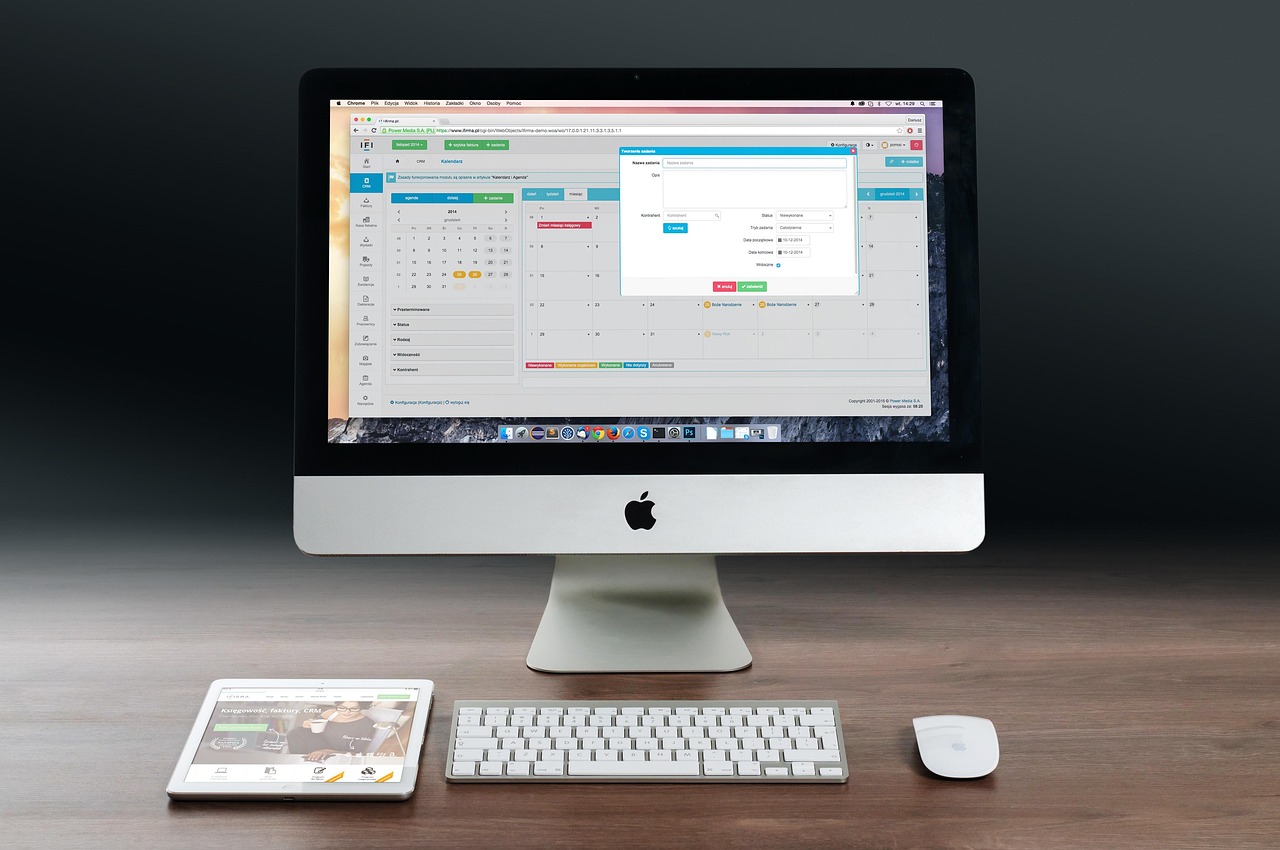
In an era where technology evolves at lightning speed, consumers are constantly bombarded with new releases, from flagship smartphones to smart home innovations. With so many options available, making an informed purchase has never been more challenging. Tech reviews serve as the ultimate compass, helping users navigate the noise to find products that genuinely deliver on their promises. Whether you are a casual user or a tech enthusiast, understanding how to decode expert reviews can save you time, money, and frustration.
The Anatomy of a Trustworthy Tech Review
Not all tech reviews are created equal. Identifying a high-quality, unbiased review is the first step toward making a smart buying decision. A comprehensive review goes beyond simple specs and dives into the real-world utility of a device.
Key Indicators of Credibility
- Long-term testing: Reviews based on weeks of usage are far more valuable than “unboxing” videos that offer only first impressions.
- Comparative data: Trustworthy reviews compare a device against its closest competitors to provide context.
- Transparency: Reliable reviewers disclose if a product was provided by a manufacturer and maintain editorial independence.
The Importance of Benchmarking
Quantitative data provides a baseline. Look for reviews that include standardized tests, such as Geekbench scores for processors or light-meter readings for displays. This data allows for objective comparison across different product generations.
Understanding Specifications vs. Real-World Performance
One of the most common pitfalls for consumers is relying solely on a “spec sheet.” While numbers like RAM capacity or camera megapixels are important, they rarely tell the whole story of how a device feels in day-to-day use.
Why Optimization Matters
Software optimization is often more critical than hardware strength. For example, a phone with 8GB of RAM that is perfectly optimized may outperform a device with 12GB of RAM that suffers from “bloatware.”
Practical Examples to Look For
- Battery Life: Look for “screen-on time” metrics rather than just battery capacity (mAh).
- Thermal Throttling: Does the device slow down under heavy loads, like gaming or video editing?
- User Interface: Is the software intuitive, or does it clutter the experience with unnecessary apps?
The Role of User-Generated Content
While expert reviews offer technical depth, user-generated content provides a perspective on long-term reliability and customer service experiences. Platforms like Reddit, Amazon reviews, and community forums are gold mines for identifying recurring defects.
Finding the “Hidden” Issues
Experts often test products in controlled environments, but users report how devices handle extreme heat, accidental drops, or specific app compatibility issues over six to twelve months of use. Always cross-reference expert findings with long-term user experiences to get the full picture.
How to Conduct Your Own Tech Research
Being a savvy tech consumer requires a proactive approach. Instead of relying on a single source, aggregate information from multiple channels to form a balanced opinion.
An Actionable Research Workflow
- Identify your needs: Define exactly what you need the device to do (e.g., “I need a laptop for professional video editing” rather than “I need a fast laptop”).
- Consult professional critics: Read in-depth reviews from reputable publications.
- Check user forums: Look for common complaints to see if you can live with the potential downsides.
- Check return policies: If you are unsure, purchase from a retailer with a robust return window so you can test the device yourself.
Conclusion
Navigating the world of tech reviews is an essential skill in the modern digital age. By looking past surface-level specifications and focusing on long-term performance, software optimization, and authentic user feedback, you can ensure that every tech investment enhances your life rather than complicating it. Remember, the “best” tech isn’t necessarily the most expensive or the newest—it is the device that best solves your specific problems. Keep researching, stay critical, and let objective data guide your next upgrade.