In today’s fast-paced world, prioritizing physical activity is often the first thing to drop off our to-do lists. However, regular exercise is not merely a tool for weight management; it is a fundamental pillar of long-term health, mental clarity, and disease prevention. Whether you are looking to boost your energy, improve your sleep, or extend your longevity, movement is the most potent medicine available. This guide explores the science-backed benefits of physical activity and provides a roadmap for integrating sustainable habits into your daily routine.
The Physiological Benefits of Consistent Movement
Engaging in regular physical activity triggers a cascade of positive changes within the body. According to the World Health Organization, adults should aim for at least 150–300 minutes of moderate-intensity aerobic activity per week to maintain optimal health.
Cardiovascular and Metabolic Health
- Heart Health: Exercise strengthens the heart muscle, improving its ability to pump blood throughout the body, which lowers resting heart rate and blood pressure.
- Blood Sugar Regulation: Regular movement increases insulin sensitivity, allowing your cells to utilize blood glucose more effectively.
- Weight Management: By increasing your basal metabolic rate, exercise helps prevent muscle loss during weight management efforts.
Enhanced Immune Function
Moderate exercise helps flush bacteria out of the lungs and airways. It also causes changes in antibodies and white blood cells that help your body detect illnesses earlier than it might have otherwise.
Mental Health and Cognitive Performance
The connection between the body and the mind is profound. Exercise is one of the most effective, yet underutilized, interventions for mental well-being.
Reducing Stress and Anxiety
Physical activity stimulates the production of endorphins and reduces levels of the body’s stress hormones, such as adrenaline and cortisol. This is often referred to as the “runner’s high,” but it can be achieved through brisk walking, swimming, or cycling.
Improving Brain Function
- Increased Blood Flow: Exercise increases blood flow to the brain, which can help with focus and mental clarity.
- Neuroplasticity: Consistent aerobic activity has been shown to stimulate the growth of new connections in the brain, potentially slowing cognitive decline as you age.
Designing a Sustainable Exercise Routine
The best workout plan is the one you actually stick to. Consistency beats intensity every single time.
Finding Your “Why” and Your Activity
Don’t force yourself into activities you despise. If you hate running, don’t run. Instead, consider:
- Strength Training: Using resistance bands or free weights 2-3 times per week to build bone density.
- Low-Impact Cardio: Swimming or cycling, which are excellent for joint health.
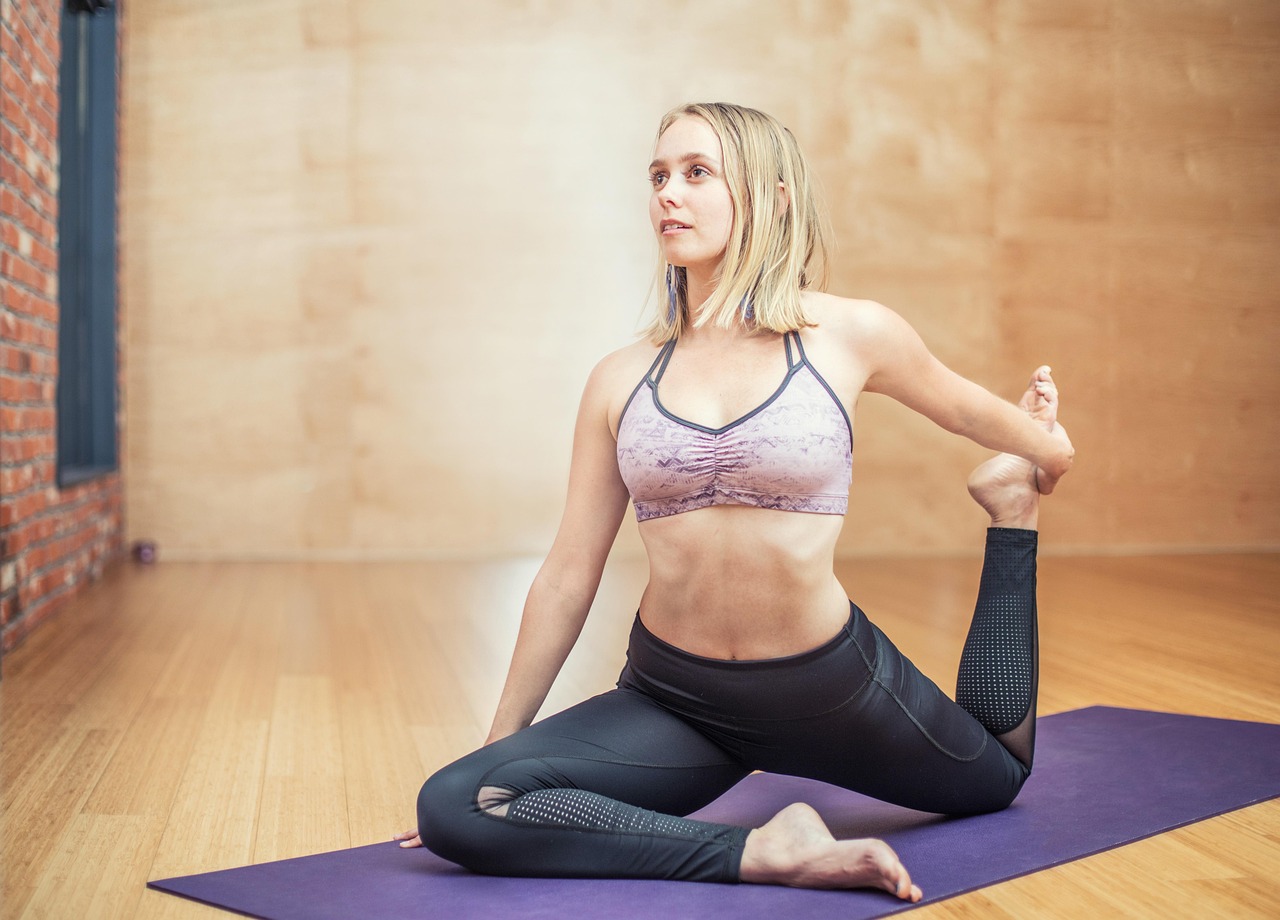
- Mind-Body Practices: Yoga or Pilates, which improve flexibility and core strength simultaneously.
The Principle of Progressive Overload
To see long-term results, you must gradually increase the difficulty of your workouts. This can mean adding more weight, increasing the number of repetitions, or decreasing rest time between sets.
Overcoming Common Barriers to Exercise
Life is full of obstacles, but most exercise barriers can be mitigated with strategic planning and a shift in mindset.
Lack of Time
You don’t need an hour in the gym to reap the benefits. “Exercise snacking”—breaking your movement into three 10-minute blocks throughout the day—can be just as effective as one long, uninterrupted session for improving cardiovascular health.
Lack of Motivation
- Schedule it: Treat your workout like a non-negotiable business meeting.
- Prepare ahead: Lay out your workout clothes the night before to reduce friction.
- Find a buddy: Social accountability significantly increases the likelihood that you will follow through with your plans.
Conclusion
Integrating exercise into your life is a journey, not a destination. It is not about achieving perfection or meeting an arbitrary standard; it is about honoring your body and investing in your future self. By starting small, choosing activities you enjoy, and remaining consistent, you can transform your physical and mental health. Remember, the most important workout is the one you do today. Start with a 15-minute walk, stay consistent, and watch how your life begins to change for the better.