In an era dominated by high-budget blockbusters and expansive cinematic universes, indie films stand as the beating heart of creative storytelling. Independent cinema serves as a vital counterbalance to studio-driven formulas, offering audiences raw, authentic, and often experimental narratives that push the boundaries of what film can achieve. Whether you are a budding filmmaker looking for inspiration or a cinephile searching for your next obsession, understanding the indie landscape is essential for appreciating the diverse artistry of modern cinema.
The Essence of Independent Cinema
Defining the Indie Spirit
At its core, an independent film is produced outside the major film studio system. While “indie” is often synonymous with “low budget,” it is better defined by creative autonomy. Independent filmmakers often operate with greater artistic freedom, allowing them to tackle unconventional themes, explore marginalized perspectives, and experiment with avant-garde visual styles that studios might deem too risky.
The Benefits of Indie Filmmaking
- Unfiltered Creative Vision: Directors have the final say on tone, pacing, and casting choices.
- Diverse Storytelling: Independent films frequently showcase underrepresented voices and cultural narratives.
- Innovation: Constraints on budget often lead to brilliant technical problem-solving and unique aesthetic choices.
The Production Journey: From Script to Screen
Budgeting and Financing
Funding is the primary hurdle for indie projects. Unlike studio films that rely on massive corporate backing, indie productions utilize a variety of creative financing methods:
- Crowdfunding: Platforms like Kickstarter or Indiegogo empower creators to engage directly with their fanbases.
- Film Grants and Labs: Organizations like the Sundance Institute provide essential mentorship and seed money.
- Private Equity: Many films rely on individual investors who are passionate about specific projects.
Micro-Budget Strategies
Successful indie filmmakers often lean into their limitations. For example, the acclaimed 2004 film Primer was made for roughly $7,000. The key takeaways for low-budget production include:
- Focus on a single, compelling location to save on logistics.
- Prioritize a tight, character-driven script over expensive special effects.
- Leverage local talent and community resources to reduce overhead costs.
Distribution in the Digital Age
The Shift to VOD and Streaming
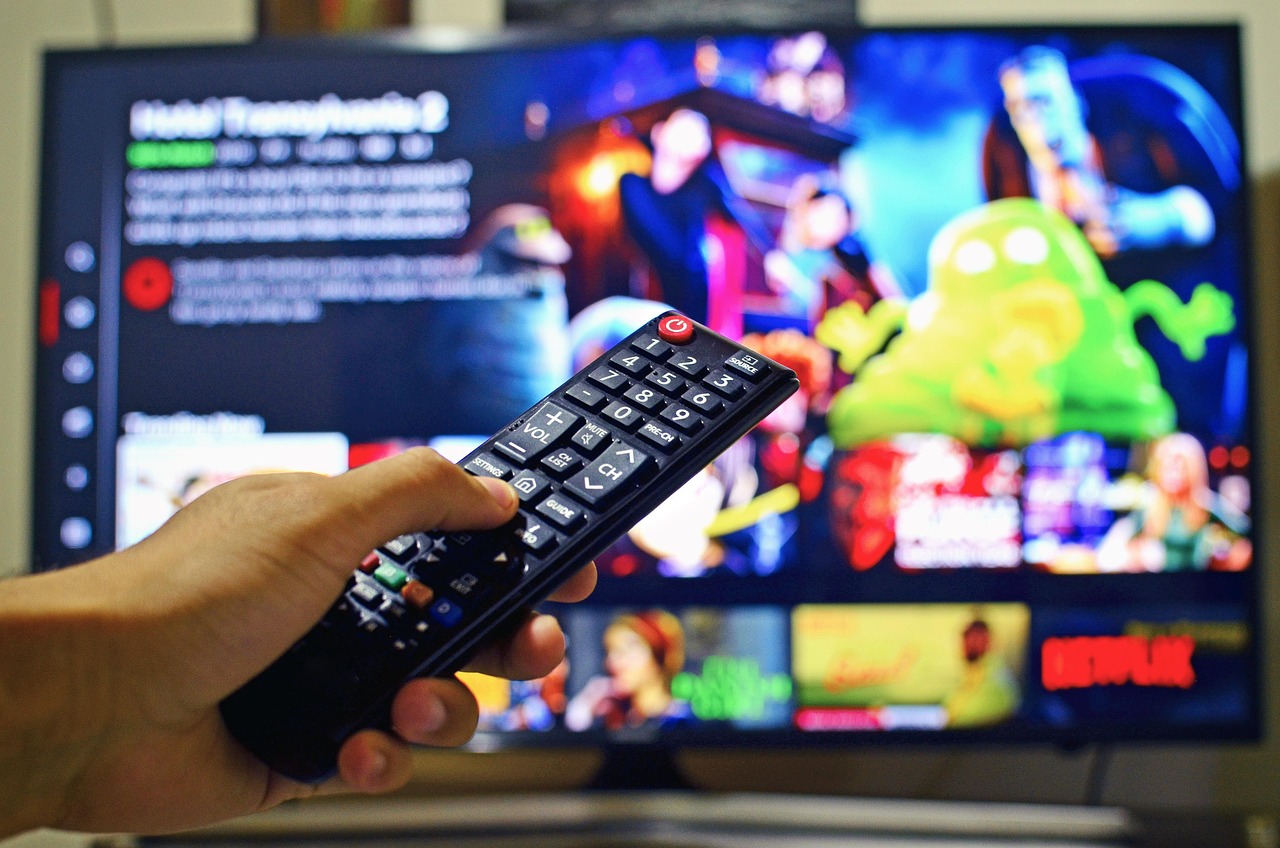
Historically, independent films struggled to find screen time in major cinema chains. Today, the landscape has shifted toward Video-on-Demand (VOD) and boutique streaming services, which have significantly lowered the barriers to entry for global audiences.
Navigating Film Festivals
Film festivals remain the most effective “launchpad” for indie talent. Festivals such as Sundance, SXSW, and Cannes are not just events; they are marketplaces. Securing a premiere at these festivals is often the catalyst for landing a distribution deal with major players like A24 or Neon.
The Impact of A24 and the “Indie Boom”
A New Standard for Quality
The rise of production houses like A24 has redefined how the public perceives indie cinema. By pairing high-concept, artistic scripts with strategic marketing, they have turned indie films into “must-see” cultural events. Films like Everything Everywhere All at Once demonstrated that indie films could achieve both massive critical acclaim and commercial dominance.
Why Modern Audiences Love Indie
Audiences are increasingly seeking “authenticity” over “spectacle.” Statistics from the Motion Picture Association show that interest in specialized, non-franchise content has grown among Gen Z and Millennial viewers who prioritize social relevance and unique emotional resonance in their entertainment choices.
How to Support Independent Filmmakers
Engaging with the Community
Supporting indie films goes beyond just buying a ticket. You can actively participate in the ecosystem by:
- Seeking out independent theaters: Support your local “art house” cinemas that program non-studio releases.
- Engaging on social media: Word-of-mouth is the lifeblood of an indie film’s success. Sharing trailers or reviews can help a smaller film find its audience.
- Participating in crowdfunding: If you see a filmmaker or project that resonates with your values, consider backing their early-stage development.
Conclusion
Independent films are more than just an alternative to the Hollywood mainstream; they are the incubators for the next generation of visionary directors, writers, and actors. By prioritizing human connection and creative risk over formulaic success, indie cinema continues to shape the future of visual storytelling. Whether you are creating, curating, or simply consuming, your support for the indie movement ensures that the cinematic landscape remains a vibrant, diverse, and deeply human space for years to come.