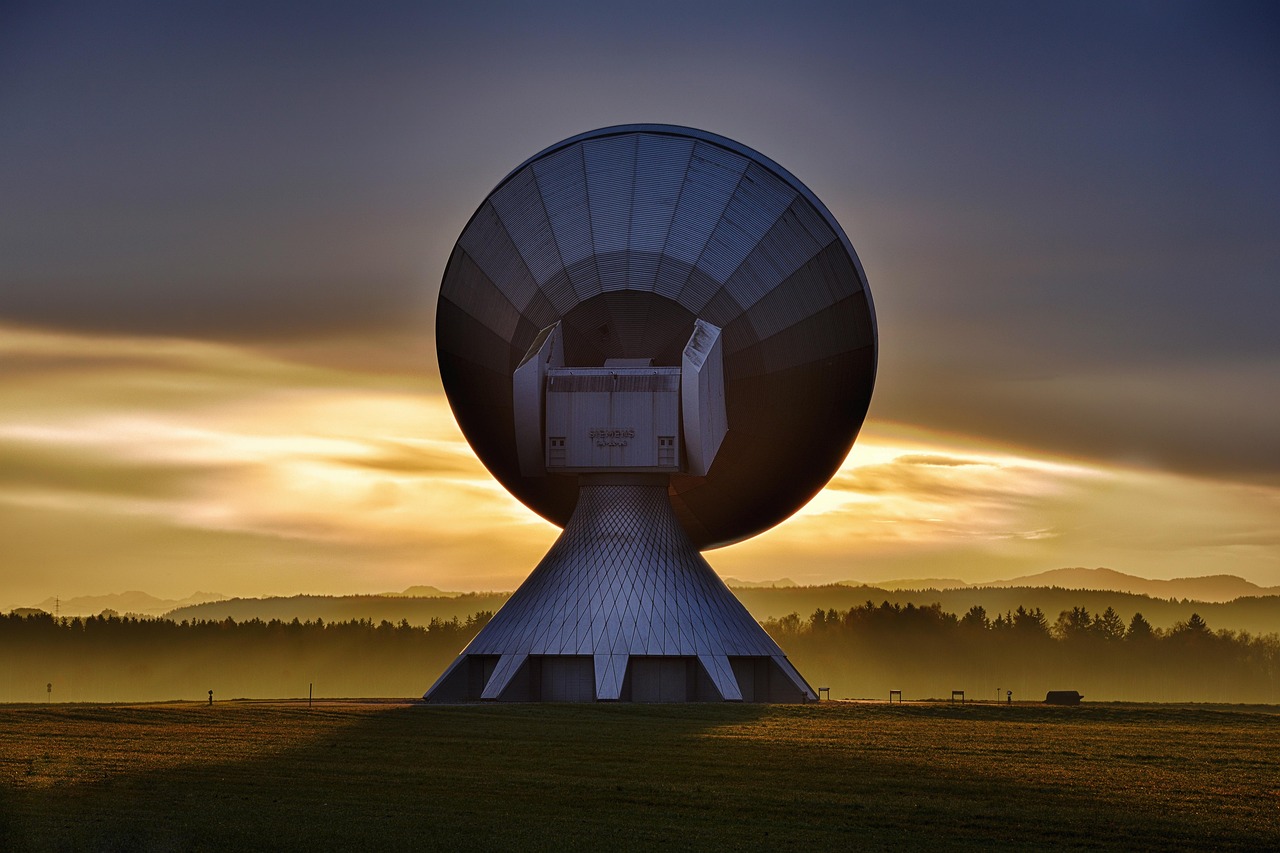
We stand at the precipice of a technological revolution that promises to redefine the boundaries of human potential. From the integration of artificial intelligence into our daily workflows to the breakthroughs in biotechnology that could extend the human lifespan, the landscape of future tech is evolving at an unprecedented pace. As we navigate this era of rapid innovation, understanding these emerging trends is no longer just a luxury for tech enthusiasts; it is a necessity for anyone looking to remain competitive and informed in an increasingly digital world.
The Evolution of Artificial Intelligence
Artificial Intelligence (AI) has transitioned from a futuristic concept to the backbone of modern enterprise. As we look toward the next decade, AI is moving beyond simple automation into the realm of generative creativity and complex problem-solving.
Generative AI and Automation
Generative AI tools are changing how we produce content, code, and design. Unlike traditional software that follows strict rules, these systems learn from vast datasets to generate unique outputs.
- Efficiency: Automating repetitive tasks allows human teams to focus on strategy and high-level creativity.
- Scalability: Businesses can now produce high-quality marketing materials at a fraction of the previous cost and time.
- Personalization: AI can tailor user experiences in real-time based on individual behavior patterns.
Practical Application: AI in Healthcare
AI-driven diagnostic tools are now capable of identifying early signs of diseases like cancer with higher accuracy than human radiologists. By analyzing medical imaging data, AI assists doctors in making faster, more precise clinical decisions.
The Dawn of Quantum Computing
While classical computers use binary bits (0s and 1s), quantum computers use qubits, allowing them to perform massive calculations simultaneously. This technology is poised to solve problems that would take today’s most powerful supercomputers thousands of years to crack.
Breaking Encryption and Security
Quantum computing presents both a challenge and a solution for cybersecurity. As these machines become more powerful, they will eventually render current encryption methods obsolete, necessitating a shift toward quantum-resistant security protocols.
Accelerating Scientific Discovery
- Drug Discovery: Simulating molecular interactions to fast-track the creation of new medications.
- Material Science: Designing new batteries and sustainable materials by modeling atomic structures.
- Logistics Optimization: Solving “traveling salesman” problems at a global scale to reduce fuel consumption and carbon footprints.
Biotechnology and Human Augmentation
The convergence of biology and technology, often referred to as “biotech,” is enabling us to treat previously incurable conditions and potentially enhance human capabilities.
CRISPR and Genetic Engineering
CRISPR-Cas9 gene-editing technology allows scientists to “edit” DNA with surgical precision. This holds the promise of eliminating hereditary diseases before a child is even born.
Brain-Computer Interfaces (BCIs)
Companies like Neuralink are working on hardware that bridges the gap between the human brain and digital systems. While currently focused on restoring mobility to paralyzed individuals, the future could see BCIs enabling seamless communication between human thought and digital interfaces.
Actionable Takeaway: Stay informed about biotech regulations. Ethics play a massive role here, and understanding the legislative environment is crucial for investors and industry professionals.
Sustainability and Green Tech
Future tech is not just about speed and intelligence; it is about survival. Innovation in energy storage and carbon capture is essential for a sustainable future.
Advanced Battery Storage
The transition to renewable energy relies heavily on our ability to store it. Developments in solid-state batteries and lithium-sulfur technology are expected to significantly increase energy density and lifespan compared to traditional lithium-ion batteries.
Circular Economy Tech
- Carbon Capture: New direct-air capture technology pulls CO2 directly from the atmosphere to be reused in industrial processes.
- Smart Grids: Using IoT and AI to manage energy distribution more efficiently, reducing waste across the power grid.
The Metaverse and Web3
The digital world is evolving into an immersive, interconnected experience. The concept of the Metaverse suggests a future where our professional and personal lives move into persistent virtual and augmented reality environments.
Decentralized Infrastructure
Web3 utilizes blockchain technology to ensure that users have ownership over their digital assets and identity, moving away from centralized corporate control.
Practical Example: Virtual Collaboration
Rather than staring at a 2D screen in a video call, teams will soon conduct “in-person” meetings in virtual offices, using 3D avatars to interact, manipulate 3D models of products, and collaborate in real-time from anywhere on the planet.
Conclusion
The future of technology is not a distant destination; it is a unfolding process that we are actively shaping. From the analytical power of Quantum Computing to the life-changing potential of Genetic Engineering, these advancements offer solutions to some of humanity’s most persistent challenges. To stay ahead, individuals and organizations must remain agile, prioritize continuous learning, and carefully consider the ethical implications of the tools they adopt. By embracing these changes thoughtfully, we can ensure that the next wave of technological evolution works for the benefit of everyone.